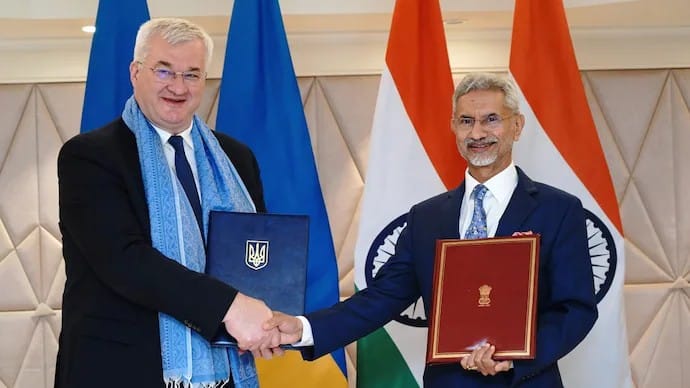
Indian External Affairs Minister S. Jaishankar discussed the resumption of commerce in the Black Sea with Ukrainian Foreign Minister Andrii Sybiha. The talks focused on restoring commercial shipping routes, ensuring seafarer security, and mitigating global supply chain disruptions affecting food, fertilizer, and energy security across developing nations.
NEW DELHI, INDIA — Indian External Affairs Minister S. Jaishankar held high-level telephonic discussions with Ukraine’s Foreign Minister Andrii Sybiha to discuss the resumption of commerce in the Black Sea, maritime safety, and ongoing diplomatic peace initiatives.
The diplomatic exchange comes amid heightened concerns regarding global trade security, grain supply chains, and the safety of commercial shipping in key European maritime corridors. Both leaders examined options to restore stable commercial navigation across the Black Sea, which remains a critical maritime artery for agricultural commodities, fertilizers, and energy supplies.
Strategic Focus on Black Sea Trade Corridors
During the conversation, India’s External Affairs Minister emphasized the necessity of ensuring unimpeded maritime trade and protecting commercial vessels operating in international shipping lanes.
According to updates shared by the Ministry of External Affairs, discussions centered on restoring reliable commercial transport mechanisms to mitigate disruptions affecting food, fertilizer, and energy security, particularly for developing economies across the Global South.
The restoration of maritime trade through Black Sea shipping hubs remains vital for global commodity pricing. Disruption in commercial shipping routes has repeatedly driven volatility in agricultural markets and international shipping insurance premiums.
Safety of Commercial Shipping and Global Maritime Supply Chains
The dialogue directly addressed the severe operational risks currently facing international merchant vessels and seafarers navigating Black Sea trade corridors.
India, which ranks among the largest global suppliers of merchant seafarers, reiterated that targeted strikes against non-military shipping are unacceptable regardless of the origin.
Economic Impact on Businesses, Consumers, and Global Logistics
The resumption of Black Sea commerce holds significant practical implications for global consumers, shipping operators, and commodity traders:
Global Food Security: Reopening and stabilizing Black Sea shipping channels helps secure grain and sunflower oil exports essential for developing nations across Africa and Asia.
Freight and Insurance Costs: Restoring predictable navigation routes lowers war-risk premiums for international shipping lines, reducing overall ocean freight costs.
Seafarer Safety: Strict enforcement of commercial shipping protections safeguards international maritime crews operating in sensitive conflict-adjacent waters.
Official Statements and Source Attribution
Official statements released by diplomatic representatives highlighted the core outcomes of the bilateral dialogue.
"Discussed resumption of commerce in Black Sea with Ukraine's Foreign Minister Andrii Sybiha. Reaffirmed India's consistent stance advocating dialogue and diplomacy while addressing the fragility of global food, fertilizer, and energy security."
— Official Communication by S. Jaishankar, Minister of External Affairs
According to officials from the Ministry of Foreign Affairs of Ukraine, Kyiv reaffirmed its commitment to maintaining freedom of navigation while inviting India to participate actively in international diplomatic peace initiatives.
Why It Matters
The Black Sea handles a major share of the world's wheat, corn, and fertilizer trade. Continued disruptions at sea risk triggering sharp inflationary surges in basic foodstuffs across developing nations dependent on imports. By engaging directly with Kyiv, India reinforces its diplomatic position as a mediator advocating for supply chain stability, maritime security, and negotiated settlements in regional disputes.
Key Facts at a Glance
Bilateral Dialogue: External Affairs Minister S. Jaishankar and Ukrainian Foreign Minister Andrii Sybiha held high-level phone consultations.
Primary Agenda: Focused on the resumption of commerce in the Black Sea and maritime security for commercial shipping.
Global South Impact: Highlighted how maritime instability directly affects global food, fertilizer, and energy security.
Diplomatic Stance: India reiterated its advocacy for peaceful resolution through sustained dialogue and diplomacy.
Frequently Asked Questions (FAQ)
Why is the resumption of commerce in the Black Sea critical for global markets?
The Black Sea is a major global transit route for agricultural commodities, fertilizer, and fuel. Restoring commercial shipping stabilizes international food prices and reduces freight insurance costs.
What stance did India take during the bilateral talks?
India emphasized that commercial shipping must remain protected and advocated for resolving conflict through peaceful dialogue and diplomacy.
How does maritime disruption in the Black Sea affect consumers worldwide?
Disruptions lead to supply shortages of grain and fertilizer, increasing grocery prices and living costs, particularly in import-dependent Global South nations.
Source: Ministry of External Affairs (MEA India), Ministry of Foreign Affairs of Ukraine, Diplomatic Transcripts and Official Statements.