India’s economic growth story holds immense promise, yet according to former Reserve Bank of India Deputy Governor Michael Patra, the key to sustaining an ambitious 8% GDP growth trajectory lies in significantly boosting investments, especially from the corporate sector. Speaking at the Ela...
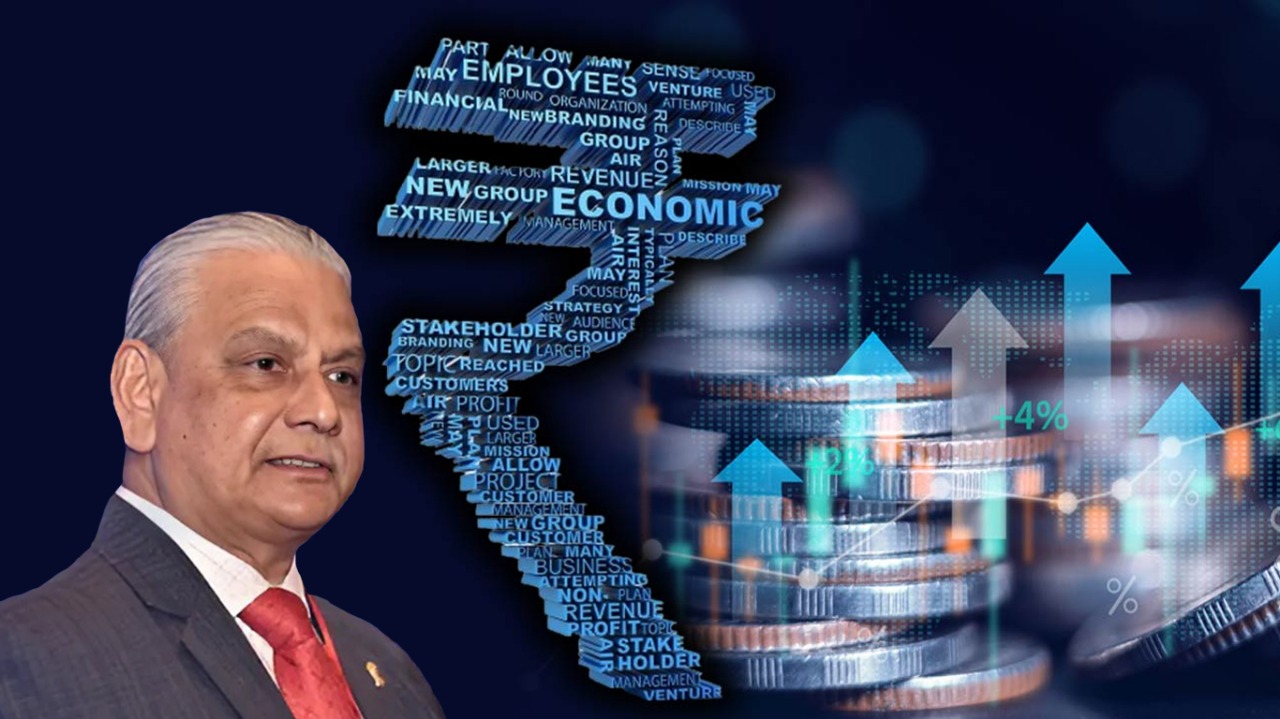
India’s economic growth story holds immense promise, yet according to former Reserve Bank of India Deputy Governor Michael Patra, the key to sustaining an ambitious 8% GDP growth trajectory lies in significantly boosting investments, especially from the corporate sector. Speaking at the Elara India Dialogue 2025, Patra stressed that while the economy posted a robust 7.8% growth in Q1 FY26, continued capital accumulation through higher private investments is vital to maintain momentum over the near and long term.
Investment: The Missing Link in India’s Growth Story
Patra highlighted the criticality of corporate India stepping up its investment activities. “We are a capital accumulation economy, not a labour-efficient country,” he noted, explaining that sustained economic expansion depends heavily on continuous investment inflows rather than just labor productivity gains. Despite India’s improved growth to nearly 8%, the absence of robust corporate investments remains a missing piece restricting faster progress.
Economic Evolution and Current Growth Momentum
Summarizing India’s economic development in phases, Patra mentioned:
1950-1980: Average GDP growth of 3.6% during an inward-looking and centralized policy era.
1980-2001: Growth rose to 5.5% with gradual reforms taking shape.
2002-2019: Liberalization fueled a 7% average expansion.
2020-Onward: Despite pandemic shocks, India averages an 8% growth rate striving for sustained recovery.
He believes the cyclical correction in FY25, when growth dipped to 6.5%, is being reversed, with recent figures indicating a return to nearly 8%, setting the stage for potentially even higher growth.
Government Measures to Boost Consumption and Investment
Patra emphasized that in the current economic environment, consumption remains the fastest lever to stimulate growth. Initiatives such as GST reforms and income tax reductions are designed to augment household purchasing power, thereby fostering demand. This boost in consumption is expected to trigger a virtuous cycle, subsequently encouraging private sector investment.
On exports, Patra indicated limited scope for growth in the near future given global trade dynamics but reassured that government support could ease tariff-related impacts.
Challenges in Corporate Investment
One of the key challenges constraining corporate investment is uncertainty about demand. Companies hesitate to commit capital when revenue growth prospects appear unpredictable. This demand-side ambiguity dampens capital expenditure plans, slowing the critical mechanism of capital accumulation vital for economic acceleration.
Future Opportunities and Policy Recommendations
Patra stressed the importance of addressing long-standing labor market inefficiencies by aligning the workforce with appropriate roles and expanding women’s participation. Overhauling the education system to meet industry needs and escalating infrastructure spending were cited as essential strategies.
He also flagged climate change as a significant challenge that could threaten India’s ambitions if not urgently addressed, highlighting the need to align new investments with green infrastructure and sustainability goals.
Macroeconomic Stability and Financial Sector Insights
Highlighting India’s robust macroeconomic fundamentals, Patra mentioned record foreign exchange reserves and the central bank’s prudent monetary policy actions to contain inflation while supporting growth. He noted that while inflationary pressures may persist in the short term, an eventual moderation is expected, fostering a conducive environment for investment.
On the financial side, increased private sector participation in credit markets and reforms in liquidity management are seen as positive steps to channel resources efficiently towards growth sectors.
Conclusion: Unlocking Growth Through Investment
Former RBI Deputy Governor Michael Patra’s insights underscore that India’s pursuit of an 8% growth rate is heavily contingent upon reversing the investment lull, particularly within corporate India. Strengthening demand through consumption, mitigating investment uncertainties, and focusing on sustainable, inclusive growth pathways remain critical priorities.
This comprehensive approach, backed by government reforms and structural improvements, positions India to realize its full growth potential in the coming years.
Sources: Economic Times, Moneycontrol, PTI, Elara India Dialogue 2025, Reserve Bank of India official statements