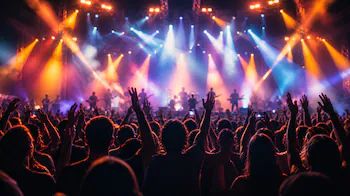
India’s discretionary spending habits are shifting decisively from material luxury goods toward experiential consumption. Driven by rising disposable incomes, urbanization, and a growing appetite for shared cultural moments, live events, music festivals, and stadium tours have emerged as a dominant commercial powerhouse across major metropolitan hubs.
Backed by industry analyses and market trend reports, the entertainment sector is witnessing an unprecedented surge as Indian consumers prioritize live, immersive events over traditional retail purchases.
The Shift From Material Goods to Immersive Moments
The domestic consumer landscape is undergoing a structural transformation in how discretionary income is deployed. According to comprehensive market reports and lifestyle tracking data published by Moneycontrol, urban Indians are increasingly channeling their spending into live experiences, large-scale music concerts, cultural festivals, and sporting spectacles.
This behavioral pivot—often described as the "experience economy"—reflects a post-pandemic revaluation of leisure. Rather than accumulating traditional luxury assets, younger demographics and urban professionals are heavily investing in memorable, shareable moments, creating a multi-crore commercial ecosystem for event promoters, ticketing platforms, and hospitality partners.
Economic Drivers and Market Impacts
The rapid expansion of the live events ecosystem has triggered wide-ranging economic ripples across multiple commercial sectors. According to industry data and organizer disclosures, key growth drivers include:
Rise in Disposable Incomes: Expanding middle-to-upper-income brackets in Tier-1 and Tier-2 cities have generated a robust surplus for discretionary entertainment budgets.
Corporate Brand Integration: Major domestic and international brands are shifting marketing budgets toward experiential sponsorships, recognizing that live events offer unmatched direct consumer engagement.
Hospitality and Travel Synergy: High-profile concerts and festivals drive substantial regional tourism, boosting hotel occupancy, airline bookings, and local restaurant revenues in host cities.
Infrastructure and Ticketing Evolution: The maturation of digital ticketing platforms and the development of specialized indoor-outdoor arenas have streamlined large-scale crowd management.
Why It Matters
The practical implications of this shift redefine retail strategies, real estate planning, and tourism frameworks. As consumers favor memories over merchandise, businesses must adapt by integrating experiential marketing, while urban planners face mounting pressure to develop world-class venues capable of supporting safe, high-capacity international events.
Key Facts at a Glance
Core Trend: Rapid transition of discretionary wallet share from physical retail luxury to live experiential entertainment.
Primary Demographic: Urban youth and high-disposable-income millennials across metropolitan centers.
Secondary Beneficiaries: Hospitality, travel, tourism, and food-and-beverage sectors surrounding event hubs.
Market Catalyst: Rising demand for community-driven, immersive, and digitally shareable lifestyle moments.
FAQ Section
What is driving the sudden surge in live event spending across India?
Changing consumer preferences following the pandemic, combined with rising disposable incomes and a strong cultural desire for shared, immersive community experiences, have fueled this growth.
Which sectors benefit the most from the live experience economy?
Beyond ticketing platforms and event promoters, the hospitality, aviation, hotel, and local F&B industries experience significant economic boosts during major festivals and tours.
Are these events limited only to metro cities?
While major stadium tours typically launch in Tier-1 metros like Mumbai, Bengaluru, and Delhi, event organizers are increasingly expanding regional circuits into emerging Tier-2 cultural hubs.
Where can readers track detailed financial updates on India's entertainment economy?
Comprehensive analyses and sector reports are published regularly via the Moneycontrol Business Portal.
Source: Moneycontrol