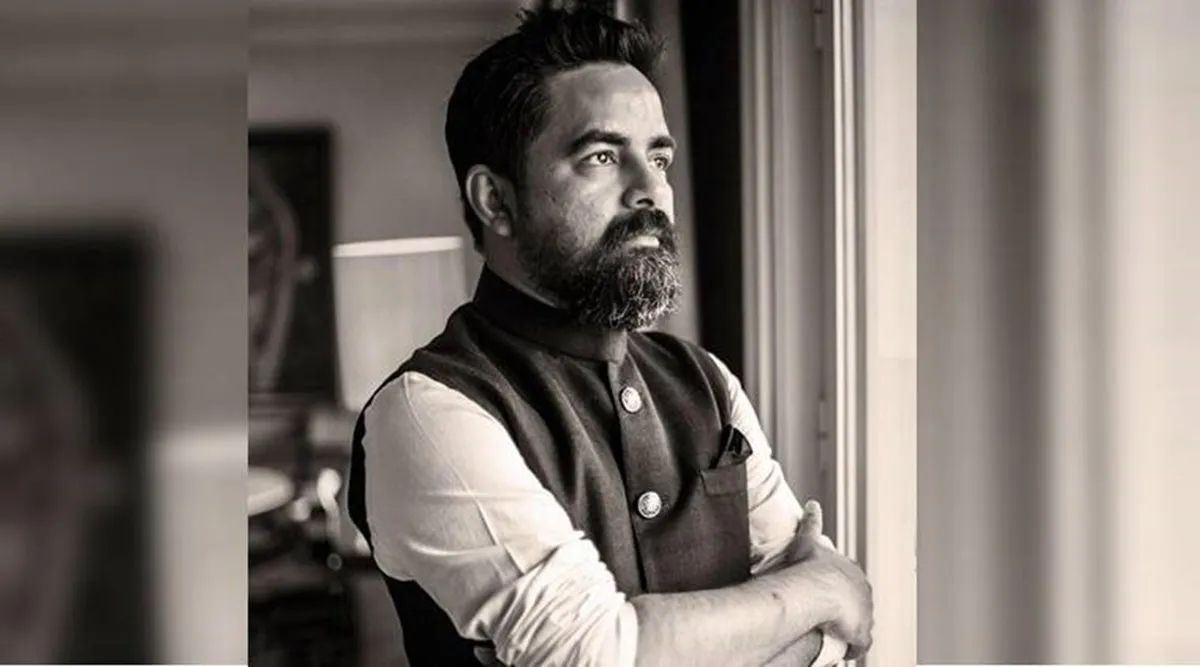
Renowned couturier Sabyasachi Mukherjee has faced intense digital scrutiny following online allegations regarding design similarities with independent creators. The controversy has reignited wider discussions across fashion circles regarding creative ownership, transparency in luxury production, and the challenges independent artists face when competing with major industry giants.
Backed by fashion reports and designer disclosures, leading luxury label Sabyasachi has drawn heavy online scrutiny over questions of creative originality and digital moderation.
Unpacking the Origins of the Online Debate
The digital ecosystem surrounding Indian haute couture has turned its focus toward high-profile design accountability. According to investigative fashion reports published by The Times of India and Hindustan Times, acclaimed designer Sabyasachi Mukherjee has faced a wave of online criticism. The scrutiny intensified after independent creators publicly questioned the conceptual origin of specific garments within his latest collections, drawing notable parallels to prior independent works.
The controversy gained momentum when a Dehradun-based designer, Ila Anoop, highlighted striking similarities between a brooch-organza saree concept she introduced in 2017 and recent pieces showcased by the luxury brand. The ensuing online discourse quickly expanded beyond a single garment, evolving into a broader industry conversation concerning intellectual property, delegation of work within large design houses, and the visibility of independent talent.
Digital Censorship Claims and Industry Implications
As public debate spread across social media platforms, secondary grievances regarding comment moderation amplified the backlash. According to official accounts documented by industry reviewers:
The Moderation Dispute: Independent designers noted that polite inquiries pointing out design coincidences on official brand pages were systematically hidden rather than addressed transparently.
Rapid Diversification Risks: Fashion analysts point out that as major luxury houses scale into rapid lifestyle diversification, reliance on junior teams and external mood boards can inadvertently lead to stylistic crossovers.
Impact on Independent Creators: Lesser-known artisans and boutique labels frequently lack the legal infrastructure to protect niche silhouettes, making public digital platforms their primary recourse for recognition.
Consumer Awareness: Modern fashion consumers are increasingly demanding supply-chain transparency, clear attribution, and ethical respect for grassroots innovation.
Why It Matters
The practical implications of high-profile design controversies reshape accountability standards within the global fashion economy. For consumers, investors, and emerging designers, these incidents underscore the critical need for strict multi-factor design verification, ethical credit attribution, and respect for independent intellectual property in luxury retail markets.
Key Facts at a Glance
Central Figure: Couturier Sabyasachi Mukherjee and his eponymous luxury label.
Nature of Scrutiny: Public questions regarding design resemblances and the digital management of critical user comments.
Key Catalyst: Independent designer Ila Anoop raising public awareness regarding brooch-saree concepts.
Broader Industry Debate: Balancing fast-paced commercial luxury diversification with the protection of original, grassroots artistry.
FAQ Section
What triggered the recent online scrutiny surrounding Sabyasachi?
The online debate was ignited after independent designers publicly noted striking similarities between recent label collections and prior independent concepts, such as 2017 brooch-saree designs.
Why did social media users express additional frustration with the brand?
Criticism intensified after independent creators alleged that polite, observation-based comments left on official brand pages were hidden rather than addressed openly.
How do design controversies impact independent creators?
Because smaller boutique labels lack massive legal protection budgets, public digital platforms serve as vital spaces for establishing creative provenance and claiming recognition.
Where can readers track ongoing updates regarding fashion industry transparency?
Detailed journalistic tracking and expert commentary are published regularly via The Times of India Lifestyle Section and Hindustan Times Fashion Desks.
Source: The Times of India, Hindustan Times, The Hard Copy