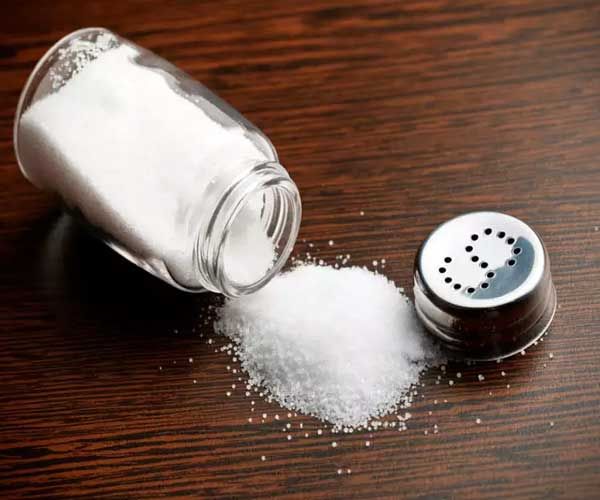
Renowned nephrologist Dr Vikram Kalra has warned against the dangers of excess daily sodium intake, recommending a strict limit of under 5 grams of salt per day. Highlighting hidden sodium in processed foods, Dr Kalra stresses that moderation protects citizens against hypertension and chronic kidney complications.
Backed by clinical health advisory updates, medical specialists outline safe daily consumption boundaries to combat rising risks of hypertension and renal strain.
Unpacking the True Cost of Excess Sodium
As dietary habits continue to evolve across urban households, medical professionals are raising concerns regarding hidden daily sodium intake. According to expert health advisories published by Hindustan Times, Dr Vikram Kalra—Principal Director of the Department of Nephrology and Kidney Transplant at Aakash Healthcare Multi-Speciality Hospital—has detailed the precise biological impact of consuming excessive salt.
Dr Kalra emphasizes that while sodium is essential for bodily fluid regulation in responsible quantities, continuous overconsumption places immense pressure on cardiovascular pathways and renal filters. Because a large portion of dietary sodium originates from unlabelled or packaged goods rather than the household salt shaker, citizens frequently exceed safe thresholds unknowingly.
Recommended Limits and Hidden Sources of Sodium
Navigating dietary modifications requires identifying where excess sodium typically enters daily meals. According to clinical guidance shared by Dr Kalra, consumption parameters and major risk vectors include:
The WHO Threshold: Adults should consume less than 5 grams of salt per day—roughly equivalent to a single teaspoon—encompassing all food sources combined.
Hidden Commercial Sources: Packaged snacks, instant noodles, pickles (achar), papads, and restaurant-prepared meals often contain high sodium concentrations despite not tasting overly salty.
Clinical Warning Signs: For patients under medical observation, excess salt intake manifests as fluctuating electrolyte levels, rising serum creatinine, and abnormal urine output variations.
Vulnerable Groups: Individuals managing chronic kidney disease (CKD), hypertension, congestive heart failure, or a history of kidney stones require stricter sodium limitations.
Why It Matters
The practical implications of monitoring daily sodium intake directly affect long-term cardiovascular health and renal longevity. By substituting processed foods with fresh produce and utilizing herbs, garlic, and lemon juice for flavor enhancement, consumers can lower blood pressure risks without sacrificing culinary enjoyment.
Key Facts at a Glance
Recommended Daily Limit: Less than 5 grams (one teaspoon) of salt per total daily intake.
Primary Expert: Dr Vikram Kalra, Principal Director of Nephrology and Kidney Transplant at Aakash Healthcare.
High-Risk Conditions: Hypertension, chronic kidney disease, congestive heart failure, and history of kidney stones.
Practical Remedy: Emphasizing fresh ingredients, reading nutrition labels, and minimizing reliance on processed snacks.
FAQ Section
How much salt is safe for an adult to consume daily?
According to World Health Organisation guidelines cited by Dr Vikram Kalra, adults should limit total daily salt consumption to under 5 grams, which equals roughly one teaspoon.
Why do processed foods pose a hidden danger regarding sodium?
Many processed items, including packaged snacks, instant noodles, and condiments, contain high levels of hidden sodium even if they do not taste explicitly salty.
Which individuals need to be particularly careful with their salt intake?
People diagnosed with chronic kidney disease, hypertension, heart failure, or a past history of kidney stones must restrict sodium more rigorously under medical supervision.
How can someone reduce salt without losing flavor in food?
Kitchen habits can be modified by substituting extra salt with fresh herbs, spices, garlic, and lemon juice while prioritizing fresh produce over packaged alternatives.
Source: Hindustan Times, Aakash Healthcare, Dr Vikram Kalra Portal