India and France adopted the Innovation Roadmap 2030 and unveiled 13 strategic outcomes during Prime Minister Narendra Modi's visit to Nice. The agreements establish an Economic Security Dialogue, launch an AI working group, expand UPI to French airports, and set a five-year goal to double bilateral trade to $32 billion.
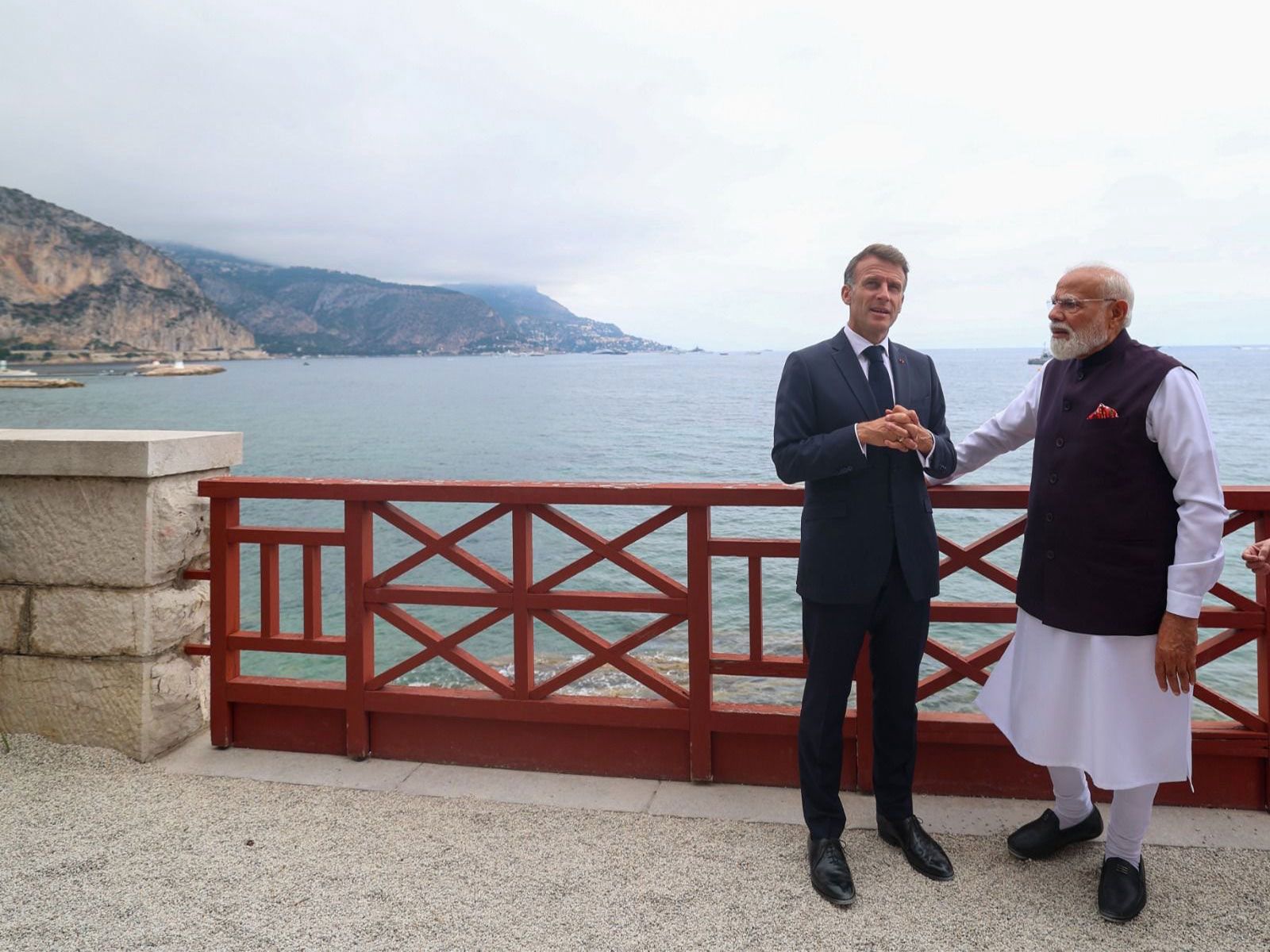
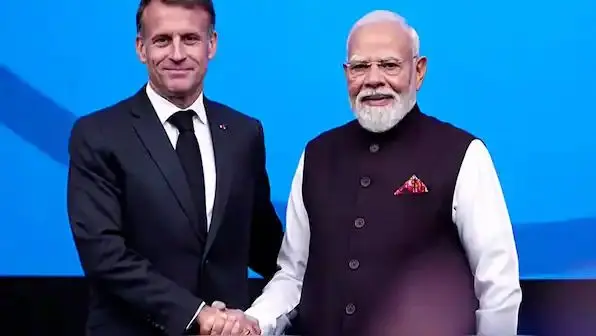
NICE, FRANCE — India and France have significantly upgraded their structural tech alignment to resist volatile global market pressures. During the opening leg of his European tour on Sunday, June 14, 2026, Indian Prime Minister Narendra Modi held intensive delegation-level talks with French President Emmanuel Macron, resulting in the adoption of the "India-France Innovation Roadmap 2030" and the unveiling of 13 landmark institutional outcomes.
Meeting in the Mediterranean city of Nice against the backdrop of the 'Bharat Innovates' technology conference, the two heads of state officially elevated their diplomatic ties to an "Exceptional Comprehensive Strategic Partnership." The development is critically important today as nations rush to secure independent digital infrastructure and shield essential industries from external economic coercion. The comprehensive 2030 framework addresses these exact issues by introducing a dedicated Economic Security Dialogue, formalizing artificial intelligence governance, and locking down a five-year target to double annual bilateral trade to $32 billion.
Technical Allocation of the 13 Bilateral Outcomes
The freshly firmed-up framework covers a multi-sector blueprint designed to streamline cross-border tech development, aerospace skilling, and sovereign financial networks.
According to a comprehensive press dispatch compiled by the Ministry of External Affairs (MEA), the 13 strategic outcomes are reinforced by 19 separate commercial and institutional agreements signed between innovation entities from both nations. A major highlight for travelers and businesses is the immediate expansion of India’s Unified Payments Interface (UPI) network across Nice and Paris airports, standardizing instant, rupee-denominated mobile checkouts for the Indian diaspora, students, and corporate travelers in Europe.
Restructuring Technology and Strategic Supply Lines
The blueprint establishes deep institutional mechanisms to co-develop cutting-edge technology rather than relying on standard commercial imports.
Joint AI Working Groups, Data Pacts, and Space Exploration
To guarantee that high-speed computational advances match ethical benchmarks, the two leaders ordered the direct creation of a Joint India-France AI Working Group focused specifically on AI governance.
According to a diplomatic briefing by Foreign Secretary Vikram Misri via ANI News, the core implementation pillars include:
Aeronautics Center of Excellence: Establishing a specialized skilling base at the National Skill Training Institute (NSTI) in Kanpur to train technicians for aerospace manufacturing and engine Maintenance, Repair, and Operations (MRO) lines.
The Classified Data Security Pact: Finalizing a legally binding General Security Agreement on the Exchange and Protection of Classified Information to allow smooth engineering collaboration on sensitive defense designs.
Deep-Tech Incubation: Reserving specialized facilities for an additional ten Indian deep-tech and AI startups at Station F in Paris, granting them direct access to European venture capital markets.
Space Agency Integration: Signing an ISRO-CNES Letter of Intent to expand human spaceflight studies, directly sharing technical benchmarks for India's ongoing Gaganyaan mission and planned orbital space station.
Re-engineering Trade Routes and Railway Modernization
Beyond digital space, the bilateral agreement targets physical transport networks, mapping out clean industrial supply lines to protect manufacturing ecosystems.
According to macroeconomic data points published by The Economic Times, the current trade baseline sits at roughly $16 billion. To accelerate progress, the new High-Level Annual Mechanism will actively clear sector-specific hurdles, with an emphasis on early implementation of the wider India-EU Free Trade Agreement (FTA). On the rails, a dedicated joint declaration on high-speed rail cooperation was sealed, laying out a track to modernize Indian tracks through research alliances with Gati Shakti Vishwavidyalaya.
Institutional Validation and Strategic Diplomacy
Top diplomatic representatives emphasize that the comprehensive innovation roadmap acts as an administrative anchor to guarantee independent technological growth.
"According to official releases distributed by the Government of India, both nations have formally committed to a human-centric approach to scientific advancement. The concurrent rollout of the Economic Security Dialogue will explicitly prioritize securing critical minerals, semiconductor lines, and clean energy storage components against unexpected geopolitical friction."
Foreign Secretary Misri further explained that human talent mobility remains a top priority. Prime Minister Modi has officially invited leading French universities to establish physical branch campuses in India under the updated National Education Policy, a move warmly supported by French President Macron to secure mutual recognition of academic degrees.
Why It Matters
For everyday consumer tech startups, researchers, and small businesses, the Innovation Roadmap 2030 eliminates old bureaucratic boundaries, offering a fast track to global capital. Allowing local deep-tech startups to incubate directly inside Europe's premium tech spaces like Station F drastically expands market access, driving global investments into domestic technical talent.
For ordinary travelers, students, and the diaspora, the official rollout of UPI at major French airports makes international transactions simpler and more secure by wiping out high foreign exchange transaction fees. Simultaneously, joint space and railway development pacts ensure that the country's public infrastructure upgrades—ranging from high-speed intercity trains to independent human spaceflight missions—remain insulated from unpredictable supply line halts.
Key Facts at a Glance
The 2030 Roadmap: India and France adopted the Innovation Roadmap 2030 to give long-term direction to their high-tech ties.
Trade Doubling: A new High-Level Mechanism was launched to double annual bilateral trade to $32 billion within five years.
Fintech Influx: India's instant UPI mobile payment services are expanding directly to airports in Paris and Nice.
Secure Exchange: Both republics signed a binding General Security Agreement to allow the secure sharing of classified technical data for high-level defense and "Make in India" initiatives.
Frequently Asked Questions (FAQ)
How will the new UPI expansion benefit Indian nationals visiting France?
The expansion allows Indian tourists, business professionals, and students to pay for services at Paris and Nice airports using native mobile payment apps, cutting out high international credit card currency conversion markups.
What is the primary focus of the newly launched Economic Security Dialogue?
The dialogue is a policy shield designed to safeguard vulnerable high-tech supply chains, prioritizing secure access to critical minerals, semiconductors, cybersecurity frameworks, and clean energy tech.
What real-world projects will the Kanpur Aeronautics Center support?
The National Centre of Excellence in Kanpur will focus on advanced technical training, building an elite local workforce to support domestic aviation manufacturing and heavy military MRO operations.
Official Sources Section:
Bilateral outcome lists, delegation press releases, and foreign policy briefings managed by the Ministry of External Affairs (MEA).
Bilateral trade targets, free trade negotiations, and economic statistics archived by The Economic Times.
Strategic tech announcements, state statements, and digital cooperation records compiled by ANI News.