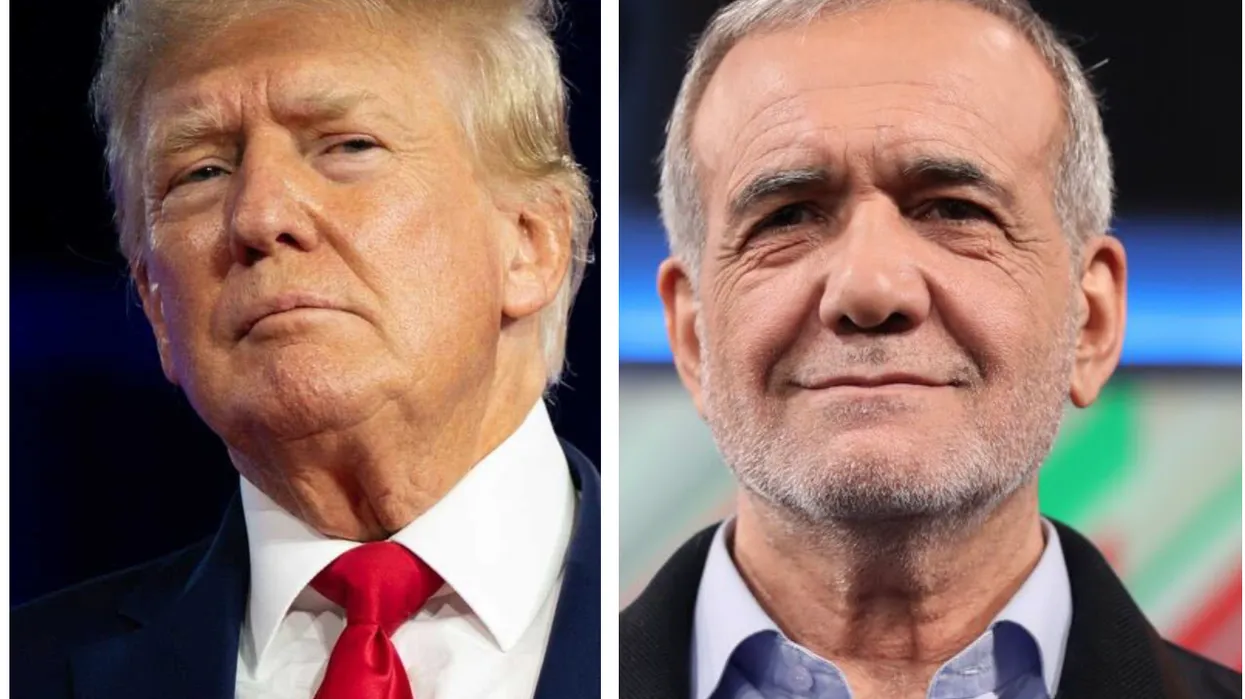
WASHINGTON — In a historic diplomatic development, U.S. President Donald Trump announced on Sunday, June 14, 2026, that a comprehensive peace deal between the United States and the Islamic Republic of Iran is "now complete." The sweeping accord establishes an immediate and permanent termination of military operations across all active fronts, effectively halting more than three months of intense Middle East warfare. Chief among the immediate outcomes is the toll-free reopening of the strategic Strait of Hormuz alongside the complete withdrawal of the U.S. naval blockade on Iranian ports, offering profound relief to a destabilized global economy.
WASHINGTON — In a historic diplomatic development, U.S. President Donald Trump announced on Sunday, June 14, 2026, that a comprehensive peace deal between the United States and the Islamic Republic of Iran is "now complete." The sweeping accord establishes an immediate and permanent termination of military operations across all active fronts, effectively halting more than three months of intense Middle East warfare. Chief among the immediate outcomes is the toll-free reopening of the strategic Strait of Hormuz alongside the complete withdrawal of the U.S. naval blockade on Iranian ports, offering profound relief to a destabilized global economy.
Breakthrough Mediated by International Partners
The final consensus materialized following exhaustive, multi-lateral negotiations coordinated primarily by Pakistani Prime Minister Shehbaz Sharif and Qatari diplomatic envoys. According to official diplomatic dispatches from Islamabad, the pact commands both Washington and Tehran to immediately stand down from all direct and proxy military operations, expanding to incorporate a broader stabilization framework for the parallel conflict in Lebanon.
While an Israeli airstrike targeting suspected infrastructure in Beirut temporarily delayed the final electronic paperwork on Sunday afternoon, President Trump confirmed that the foundational agreement remained secure. U.S. Vice President J.D. Vance indicated later that evening that a high-level American delegation is preparing to travel to Geneva, Switzerland, where the formal, in-person signing of the comprehensive memorandum of understanding is scheduled to take place on Friday, June 19, 2026.
De-escalation Terms and Sanctions Relief
The finalized peace framework outlines concrete, reciprocal concessions designed to de-escalate regional friction. Under the terms of the agreement, the United States will systematically ease its broad economic sanctions regime, granting Tehran controlled access to previously frozen foreign assets and permitting a return to normalized, legal Iranian crude oil exports.
In return, Iran has committed to strict, compliance-based limits regarding its nuclear enrichment program. According to recent data from the International Atomic Energy Agency (IAEA), Tehran’s stockpiles had reached 440.9 kilograms of uranium enriched up to 60% purity—a narrow technical window away from weapons-grade threshold. The deal institutes a definitive restriction against the pursuit of nuclear armaments. Diplomatic channels indicate that subsequent technical-level talks will commence next week to safely manage, verify, or potentially transfer the existing enriched stockpiles, with international proposals including a relocation of the material to Russia for processing.
Economic Impact and Global Market Repercussions
The sudden cessation of hostilities is projected to trigger significant volatility across global commodities and financial markets. The Strait of Hormuz stands as the world's most critical energy transit artery, facilitating the daily passage of more than 20% of global petroleum consumption. Its prolonged closure and the enforcing U.S. naval blockade had severely strangled supply chains, causing international crude oil benchmarks to skyrocket and aggravating global inflationary pressures.
Commercial shipping conglomerates and maritime insurers are already adjusting risk parameters ahead of the Friday formalization. U.S. Defense Secretary Pete Hegseth noted that the American military is actively coordinating safe-passage protocols to assist commercial vessels traversing the Persian Gulf. Financial analysts anticipate a swift downward correction in crude oil pricing, lower transport insurance premiums, and a stabilizing influence for international investors, consumers, and industrial supply lines worldwide.
Official Sources Section
The information presented in this report is synthesized directly from verified statements issued by the following sovereign entities and administrative offices:
The White House: Executive declarations via official public forums and presidential press briefings in Washington.
Office of the Prime Minister of Pakistan: Diplomatic press releases issued by Prime Minister Shehbaz Sharif as lead mediator.
Ministry of Foreign Affairs of the Islamic Republic of Iran: Communiqués from Foreign Ministry Spokesperson Esmail Baghaei and President Masoud Pezeshkian.
International Atomic Energy Agency (IAEA): Nuclear stockpile metrics and enrichment verification reports.
Official Statements and Quotes
"The Deal with the Islamic Republic of Iran is now complete. Congratulations to all! I hereby fully authorize the toll free opening of the Strait of Hormuz, and, simultaneously herewith, authorize the immediate removal of the United States Naval blockade. Ships of the World, start your engines. Let the oil flow!"
— Donald Trump, President of the United States
"Following intensive talks, we are pleased to announce that the Peace Deal between the United States of America and Islamic Republic of Iran has been REACHED. Both sides have declared the immediate and permanent termination of military operations on all fronts."
— Shehbaz Sharif, Prime Minister of Pakistan
"Iranians must recognize that no war lasts forever. This process will pave the way to a peaceful resolution, provided all participating entities exercise complete commitment to their obligations."
— Fatemeh Mohajerani, Spokesperson for the Government of Iran
Why It Matters
The resolution of the U.S.-Iran war fundamentally resets the geopolitical landscape of the Middle East and averts a prolonged global economic recession. For everyday consumers, the reopening of the Strait of Hormuz promises an immediate reduction in global fuel prices, cascading into lower shipping, manufacturing, and transport costs. For global industries, it re-establishes predictable maritime logistics through a vital trade route. Most critically, the compliance-driven nuclear restrictions introduce a verifiable mechanism to prevent nuclear proliferation in a highly volatile region, replacing active military confrontation with a structured diplomatic framework.
Key Facts at a Glance
Hostilities Concluded: An immediate, permanent cessation of all military actions has been declared between the U.S. and Iran.
Maritime Corridors Reopened: The U.S. naval blockade is terminated, and the Strait of Hormuz is restored to open, toll-free commercial navigation.
Formal Treaty Date: The official in-person signing ceremony is scheduled for Friday, June 19, 2026, in Geneva, Switzerland.
Nuclear Constraints: Iran agrees to halt its path toward weapons-grade development, with subsequent technical talks slated to address its existing 60% enriched uranium stockpile.
Economic Relief: The United States will systematically unwind targeted sanctions, allowing regulated Iranian petroleum exports back into global markets.
Frequently Asked Questions (FAQ)
When will the Strait of Hormuz officially open for commercial traffic?
While President Trump authorized an immediate cessation of the naval blockade, full commercial traffic regulation is transitioning to active coordination between Iranian maritime authorities and Oman. Normal, low-risk shipping operations are expected to resume entirely following the formal treaty signing on Friday, June 19, 2026.
Will this peace deal cause gas and oil prices to drop?
Yes. The closure of the Strait of Hormuz removed millions of barrels of oil per day from the global marketplace. Reopening the waterway, combined with the gradual return of regulated Iranian petroleum exports, introduces substantial supply back into the market, which analysts expect will drive down retail fuel prices.
What happens to Iran's existing enriched uranium under this agreement?
The peace accord prevents Iran from advancing its material to 90% weapons-grade purity. Technical negotiations starting next week will determine the fate of the existing 440.9 kg stockpile of 60% enriched uranium, with options on the table including neutralization or shipping the material out of the country to Russia.
Is Israel a formal party to this specific peace agreement?
No. The core peace agreement is a bilateral settlement between the United States and Iran mediated by Pakistan and Qatar. However, the deal includes explicit framework conditions mandating a ceasefire across broader regional proxy fronts, including the conflict involving Hezbollah in Lebanon.
Source: Official transcriptions and electronic updates provided directly by The White House Press Office, the Ministry of Foreign Affairs of Pakistan, the Islamic Republic News Agency (IRNA), and official monitoring data published by the International Atomic Energy Agency.