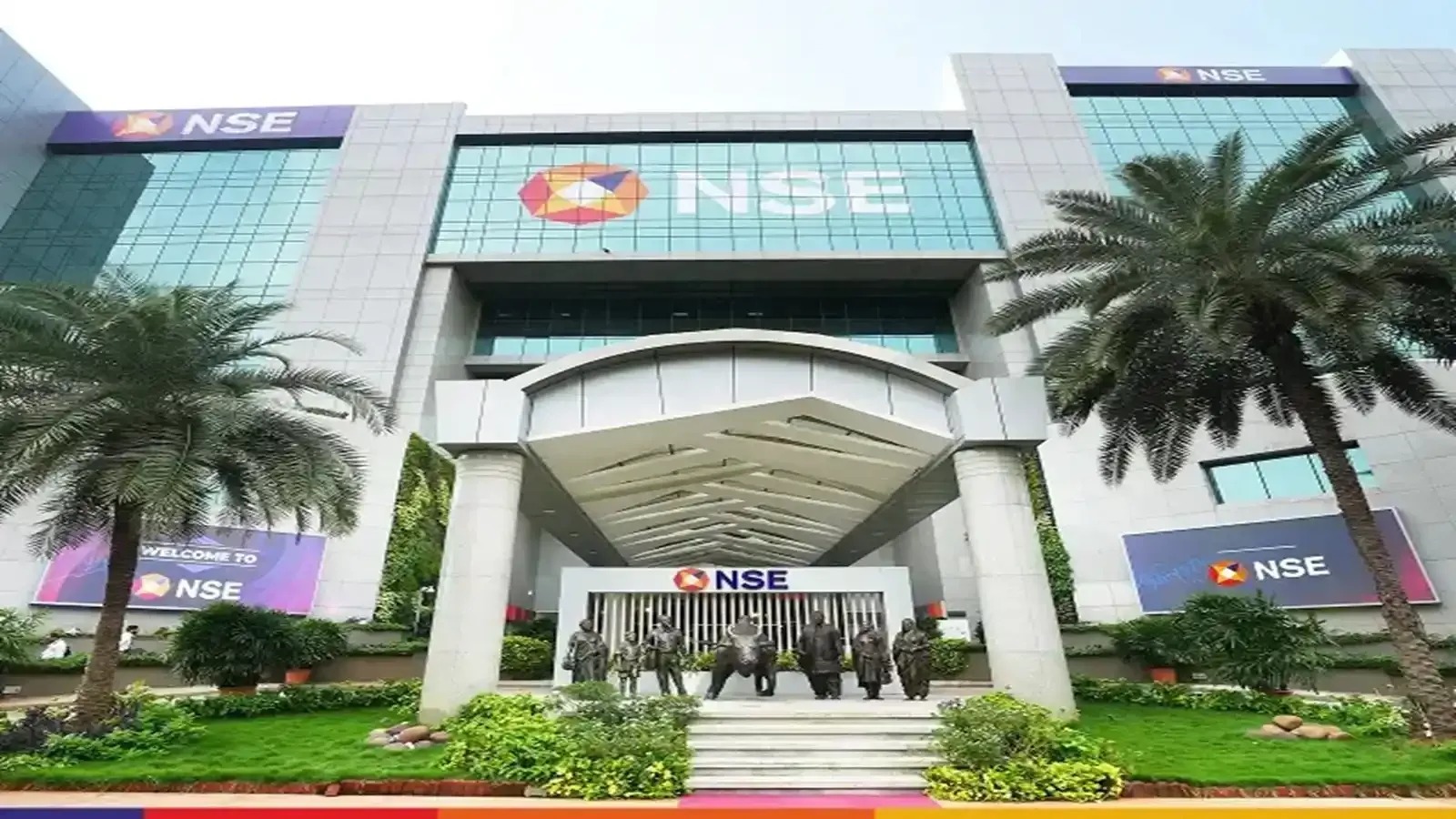
State Bank of India and its subsidiary, SBI Capital Markets, plan to offload a combined 1% stake in the National Stock Exchange through its upcoming ₹30,000-crore initial public offering. SBI Chairman C.S. Setty confirmed that SBI will divest 0.65% and its arm will sell 0.35%.
State Bank of India and its subsidiary plan to offload a combined 1 percent stake in the National Stock Exchange to unlock substantial capital during its upcoming public offering.
Strategic Stake Dilution in National Stock Exchange
The State Bank of India (SBI) and its subsidiary, SBI Capital Markets Ltd, have confirmed plans to dilute up to a 1 percent stake in the National Stock Exchange (NSE) as part of the exchange's highly anticipated ₹30,000-crore initial public offering (IPO). In an interview on August 30, 2026, SBI Chairman C S Setty stated that the banking major will divest a 0.65 percent stake, while SBI Capital Markets will offload a 0.35 percent stake.
The public offering, structured entirely as an offer for sale (OFS) involving nearly 14.89 crore existing shares, aims to list India's largest stock exchange. SBI currently holds a 3.23 percent stake in the bourse, and SBI Capital Markets owns an additional 4.33 percent. Management noted that the final quantum of shares divested could vary depending on total participation from other institutional shareholders.
Market Context and Financial Implications
The proposed market debut follows years of regulatory clearance processes and represents a landmark event for India's capital markets. By partially monetising its long-held investment—initially acquired at nominal historical costs—SBI stands to generate significant non-core capital. Analysts note that the listing will establish public price discovery for the bourse, impacting institutional investors, public sector undertakings, and retail market participants alike. Meanwhile, the bank's leadership clarified that there are no immediate plans to pursue the monetization of other subsidiary holdings.
Official Sources and Regulatory Filings
According to official announcements and regulatory filings submitted to the Securities and Exchange Board of India (SEBI), the public offer is slated to scale up primary market activity. Syndicate disclosures confirm that a consortium of domestic and international merchant bankers has been appointed to manage the listing process.
"According to officials, the divestment aligns with broader portfolio optimization strategies while ensuring continued strategic alignment with India's premier market infrastructure institution."
Why It Matters for Investors and Markets
The transaction provides a direct mechanism for institutional stakeholders to crystallize value from early-stage investments. For public sector banks and financial institutions, capital unlocked through the OFS can be redirected toward core lending operations and balance sheet strengthening.
Key Facts at a Glance
Selling Entities: State Bank of India and SBI Capital Markets Ltd.
Total Proposed Dilution: Up to 1 percent combined stake (0.65% by SBI, 0.35% by SBI Capital Markets).
IPO Scale: Estimated at ₹30,000 crore via an Offer for Sale (OFS).
Current Holdings: SBI holds 3.23%; SBI Capital Markets owns 4.33% of NSE.
Frequently Asked Questions
What percentage of NSE does SBI plan to sell?
SBI and its subsidiary plan to sell a combined stake of up to 1 percent.
How is the NSE IPO structured?
The IPO is entirely an offer for sale (OFS) of existing shares, meaning no fresh capital is raised by the exchange itself.
Why are state-run institutions divesting their shares now?
The offering allows long-term institutional backers to unlock value following the formal filing of draft prospectus papers with SEBI.
Will SBI monetize stakes in other subsidiaries soon?
SBI Chairman C S Setty stated there are no immediate plans to monetize stakes in other bank subsidiaries.
Source: State Bank of India Statements, Securities and Exchange Board of India (SEBI) Filings