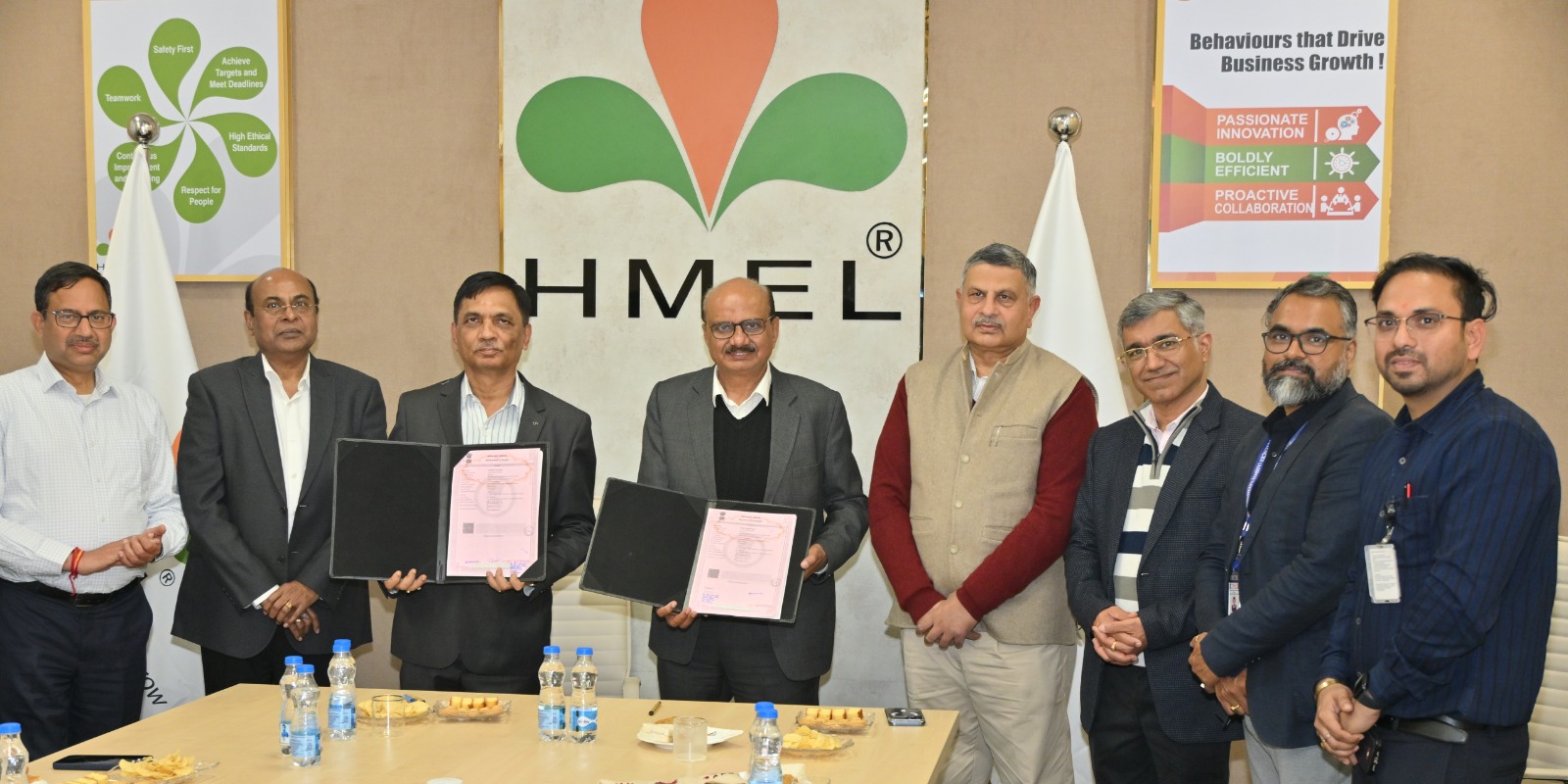
Five students from economically weaker families in rural Punjab have secured engineering seats at premier national institutes through the HMEL Super 100 Programme. Backed by HPCL-Mittal Energy Limited and CSRL, the initiative bridges educational divides by providing underprivileged scholars with fully sponsored residential coaching and comprehensive academic mentorship.
Five students from humble backgrounds in Punjab have secured engineering seats at prestigious national institutes through the HMEL Super 100 Programme.
Empowering Rural Talent Through Corporate Social Responsibility
In a milestone achievement for grassroots educational empowerment, five meritorious students from economically weaker families in Punjab's Bathinda region have cracked premier engineering entrance examinations. Supported by the National Super 100 Programme—a joint corporate social responsibility (CSR) initiative between HPCL-Mittal Energy Limited (HMEL) and the Centre for Social Responsibility and Leadership (CSRL)—these scholars successfully navigated the rigorous Joint Entrance Examination (JEE) Advanced.
Launched to bridge the systemic resource gap for high-potential youth in rural government schools, the initiative provides comprehensive academic support. According to project organizers, selected candidates receive 11 months of fully sponsored residential coaching, housing, meals, and mentorship at specialized facilities in New Delhi.
Bridging Educational Divides in Regional Punjab
Financial constraints and a lack of access to specialized coaching have historically limited the participation of rural youth in India's top-tier technical universities. The HMEL Super 100 Programme directly addresses this disparity by conducting multi-tiered screening tests across regional government and meritorious schools.
"Organizers stated that the programme is designed to eliminate financial barriers, ensuring that raw academic talent from marginalized families receives world-class preparation to enter institutions like the Indian Institutes of Technology (IITs) and National Institutes of Technology (NITs)."
The newly successful engineering aspirants include students from daily-wage and farming backgrounds who overcame severe economic hurdles to secure admissions. Their placement into premier technical campuses highlights the tangible impact of targeted educational interventions on regional upward mobility.
Why It Matters for Educational Equity
The success of these students demonstrates how structured corporate-community partnerships can transform public education outcomes. By turning rural potential into professional engineering careers, the initiative fosters sustainable socioeconomic growth across rural districts.
Key Facts at a Glance
Initiative: National Super 100 Programme, backed by HMEL and CSRL.
Beneficiaries: Students from low-income, rural government school backgrounds in Punjab.
Support Provided: 11 months of fully funded residential coaching, study material, and board in New Delhi.
Outcome: Successful qualification and admission into premier engineering institutes like IITs and NITs.
Frequently Asked Questions
What is the HMEL Super 100 Programme?
It is a CSR-backed educational initiative that provides free residential coaching and mentoring to help underprivileged rural students crack competitive engineering exams.
Who is eligible for the Super 100 scheme?
Meritorious students studying in government and regional schools from economically weaker sections are selected through rigorous screening tests.
What expenses are covered under the scholarship?
The programme covers all major expenses, including tuition, coaching, accommodation, food, and study materials for 11 months.
Which institutes do the participating students target?
Participants aim for admission to India's top-tier technical schools, including the Indian Institutes of Technology (IITs) and National Institutes of Technology (NITs).
Source: HPCL-Mittal Energy Limited (HMEL), Centre for Social Responsibility and Leadership (CSRL), The Tribune India