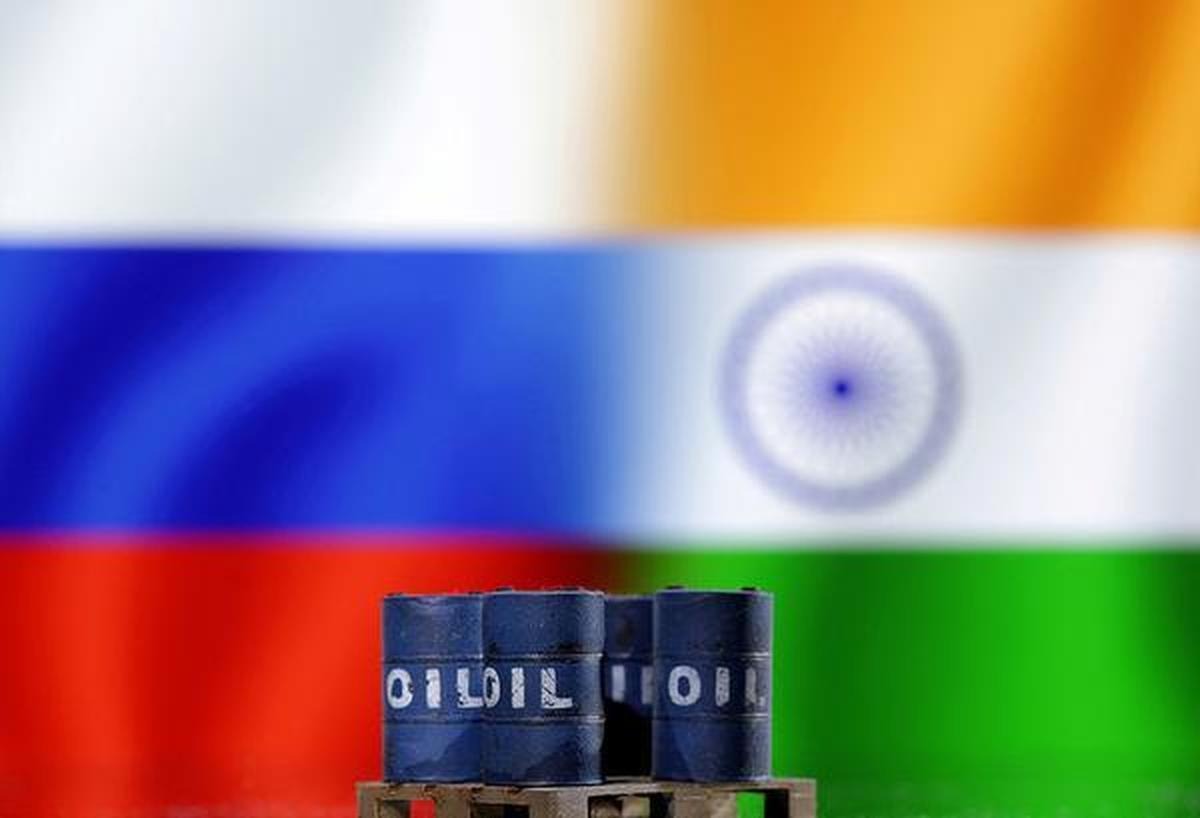
India has emerged as a key exporter of refined petrol to Russia, capitalizing on advanced refining capacities and shifting global energy trade lanes. Driven by discounted crude imports and robust domestic processing, Indian refiners are successfully redirecting high-value petroleum products northward, reshaping international energy markets amid ongoing geopolitical sanctions.
India has emerged as a key exporter of refined petroleum products to Russia amid shifting global trade flows.
India Emerges as Key Exporter of Petroleum to Russia
India has strategically expanded its footprint in international energy markets, emerging as a key exporter of refined petroleum products to Russia as Western sanctions realign global supply chains. According to trade and customs data published on August 30, 2026, domestic refiners have redirected significant volumes of petrol, diesel, and high-speed motor fuels toward Russian ports. This unexpected trade evolution highlights how traditional energy routes have inverted since the onset of European restrictions on direct energy transactions with Moscow.
While India historically imported large quantities of crude oil from Russia at discounted rates, modern logistical networks now show a counter-flow of refined commodities. Major processing hubs along India's coastline have successfully scaled refining operations, positioning the country as a vital processing and export intermediary in the international energy market.
Economic Impacts and Strategic Realignments
The emergence of India as a key exporter of petrol to Russia carries profound implications for global energy security, domestic refiners, and international shipping logistics. By capitalizing on discounted crude inputs and advanced processing capabilities, Indian energy companies have optimized refinery margins while diversifying destination markets.
However, this dynamic trade positioning also invites rigorous scrutiny from international regulatory bodies monitoring compliance with Western price caps and sanctions frameworks. According to official briefings from energy market analysts, domestic fuel pricing, shipping insurance premiums, and tanker availability remain sensitive to these cross-border petroleum transactions.
Official Sources and Regulatory Filings
According to official announcements and trade registry data from government customs authorities, outbound shipments of refined petrol to Russia have grown steadily over the past several quarters. Ministry of Commerce reports indicate that energy export protocols strictly adhere to domestic legal parameters while navigating complex multilateral compliance requirements.
"According to officials, energy trade corridors remain flexible, ensuring that national processing sectors balance international market demands with domestic supply security."
Why It Matters for Global Trade
The transformation of India into a key exporter of petrol to Russia demonstrates the adaptability of modern supply chains under geopolitical stress. For global markets, this dynamic proves that energy commodities can traverse unconventional pathways to balance regional deficits, shifting economic power dynamics among major emerging economies.
Key Facts at a Glance
Event: India emerges as a key exporter of refined petrol and petroleum products to Russia.
Date Context: August 2026 trade registry updates.
Core Mechanism: Refineries process discounted crude inputs and redirect high-value refined fuels northward.
Strategic Outcome: Redefining traditional energy trade lanes and boosting India's role as a processing hub.
Frequently Asked Questions
Why is India exporting petrol to Russia?
India has leveraged its massive refining capacity to process crude and export refined petroleum products, filling supply gaps created by Western sanctions.
How does this trade impact domestic Indian consumers?
Official sources state that domestic supply security remains a priority, with exports functioning alongside robust local market provisioning.
Are these petroleum exports compliant with international regulations?
Yes, industry bodies and trade monitors report that transactions follow established legal frameworks and national trade policies.
What role do Indian refineries play in this trade?
Domestic coastal refiners act as key processing intermediaries, transforming crude inputs into high-grade motor fuels for international destinations.
Source: Ministry of Commerce and Industry, Government of India, Directorate General of Commercial Intelligence and Statistics (DGCIS)