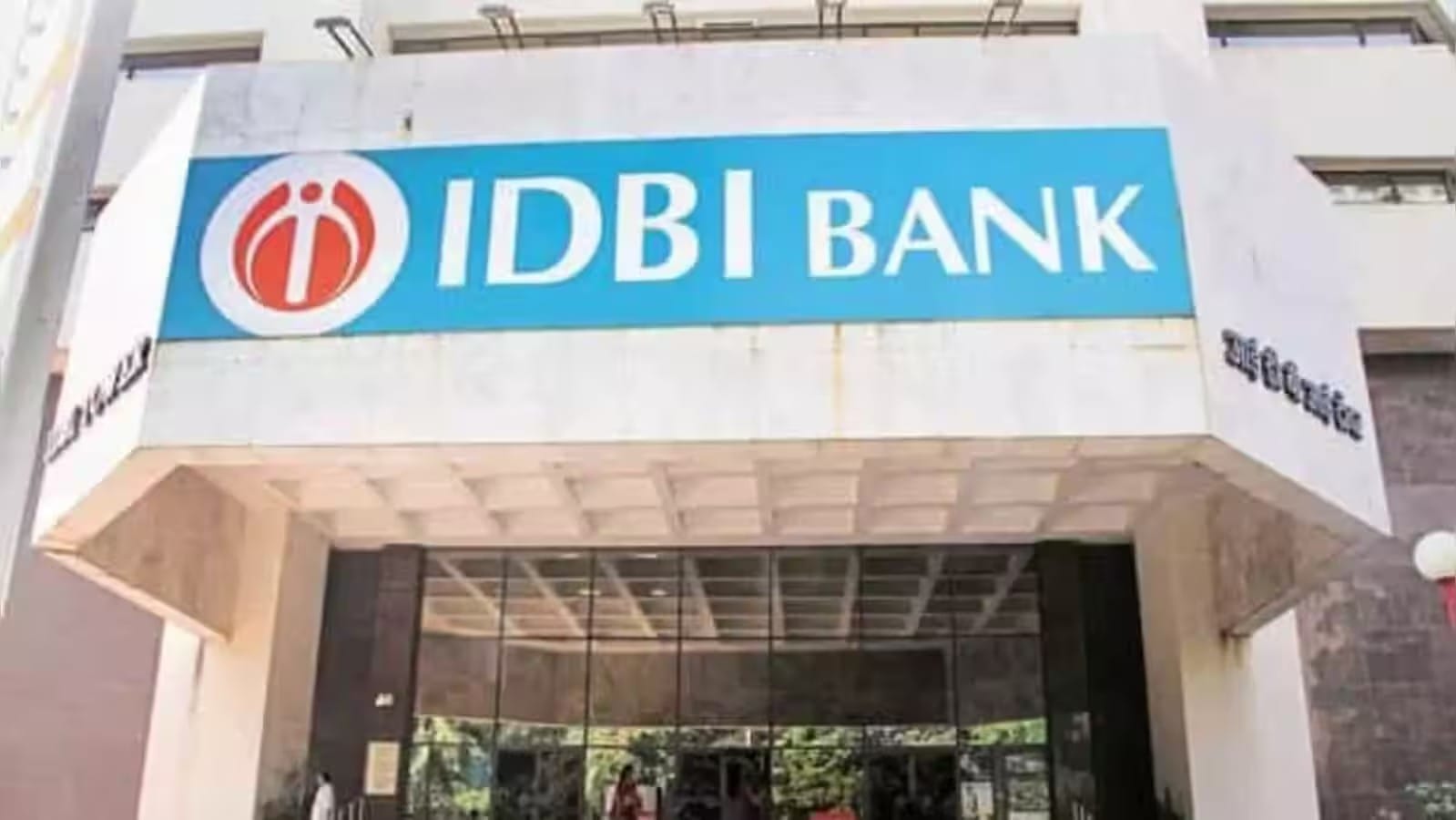
The Indian government has conducted back-to-back high-level administrative meetings to accelerate the strategic privatization of IDBI Bank. Officials from the Ministry of Finance and DIPAM are working to finalize regulatory, security, and fit-and-proper clearances with the RBI before officially inviting final financial bids for the combined 60.72 percent stake.
On Monday, July 13, 2026, the Government of India intensified its disinvestment push by holding consecutive, back-to-back top-level review sessions regarding the long-anticipated IDBI Bank sale. Convened in New Delhi by senior officials from the Ministry of Finance and the Department of Investment and Public Asset Management (DIPAM), these urgent deliberations indicate a renewed administrative momentum aimed at finalizing bidding frameworks. This development is structurally significant today as the government signals its clear intent to clear regulatory bottlenecks and conclude the transaction within the current fiscal cycle, directly impacting institutional investors, state fiscal balances, and the domestic banking industry.
High-Level Clearance Sessions Accelerate Disinvestment Progress
The primary focus of the newly held high-level internal meetings centered on refining the fit-and-proper criteria and finalizing complex security clearances for interested financial consortia. According to administrative records, the government—which jointly owns a majority stake in the lender alongside the Life Insurance Corporation of India (LIC)—is systematically resolving the final procedural conditions required before financial bids can be formally invited.
The ongoing IDBI Bank sale represents a flagship pilot project for the country's broader strategic disinvestment policy, marking the first major attempt to cede management control of a public-interest financial entity to a private buyer. The back-to-back nature of these strategic conferences underscores the administration's policy priority to streamline bureaucratic steps that have previously slowed the asset-offloading timeline.
Addressing Regulatory Clearances and Reserve Bank Guidelines
A crucial component of the recent discussions involved evaluating the compliance metrics outlined by the financial sector regulator. The Reserve Bank of India (RBI) has been conducting extensive vetting of prospective buyers to ensure compliance with ownership caps and stringent banking governance standards.
The transaction structure mandates that the winning bidder acquire a combined stake from both the central government and LIC. Navigating these overlapping regulatory requirements has required persistent inter-ministerial coordination. Officials focused heavily on ensuring that the final terms of the IDBI Bank sale remain legally resilient, transparent, and aligned with market valuation dynamics, minimizing any downstream legal or operational hurdles during the ownership transition.
Broad Market Implications for Investors and Consumers
The strategic acceleration of the transaction is being closely watched across the Indian financial sector. For institutional investors and market analysts, the concrete steps toward completing the IDBI Bank sale serve as an indicator of the state's capability to execute complex asset sales. A successful transaction is expected to improve capital efficiency within the banking system and attract foreign direct investment into the financial services sector.
For everyday banking consumers and existing corporate clients, the transition into a completely private entity will likely result in revised corporate governance frameworks, technologically driven retail product offerings, and updated loan pricing structures. Meanwhile, stock market participants are closely monitoring IDBI Bank's equity performance, as definitive timelines regarding the invitation of financial bids usually generate notable trading volumes.
Official Sources Section
According to historical regulatory filings submitted to the Securities and Exchange Board of India (SEBI) and subsequent updates from the Department of Investment and Public Asset Management, the state intends to offload a total combined stake of 60.72 percent in the lender. This planned divestment consists of a 30.24 percent stake held directly by the central administration and a 30.48 percent shareholding held by the Life Insurance Corporation of India.
Statements from Finance Ministry Sources
"According to officials familiar with the internal proceedings, the consecutive reviews were designed to establish an absolute consensus on security parameters and ensure the final bid documents are entirely compliant with central regulatory requirements." Authorities stated that resolving these technical challenges remains an essential prerequisite before announcing the formal timeline for financial submissions.
Why It Matters
The administrative urgency behind the transaction has major economic and practical implications. For the central government, the revenue generated from the IDBI Bank sale is essential for meeting annual fiscal deficit targets and funding capital expenditure on national infrastructure projects. For the broader banking sector, the entry of a newly privatized major commercial lender could reshape market competition, prompting competitive service upgrades across both public and private institutions.
Key Facts at a Glance
The government held consecutive top-level administrative meetings on July 13, 2026, to resolve procedural bottlenecks hindering the bank's privatization.
The transaction involves the strategic divestment of a combined 60.72 percent stake held jointly by the central government and the Life Insurance Corporation of India.
The Reserve Bank of India is finalizing its comprehensive "fit-and-proper" evaluation of prospective financial bidders.
The successful completion of the transaction marks a significant milestone in India's long-term public sector enterprise disinvestment policy.
Frequently Asked Questions (FAQ)
What percentage of ownership is being sold in the IDBI Bank sale?
The government and LIC are looking to divest a combined 60.72 percent equity stake, which carries full management control, while retaining a residual, non-controlling financial interest in the banking entity.
Why is the Reserve Bank of India involved in this privatization process?
As the banking regulator, the RBI must thoroughly vet all prospective institutional buyers to confirm they meet strict financial, ethical, and operational criteria required to manage a commercial banking institution.
How will this transaction affect the bank's existing retail depositors?
Retail deposits remain protected under the prevailing regulatory frameworks of the Deposit Insurance and Credit Guarantee Corporation (DICGC). The structural ownership shift will not compromise the safety of consumer accounts.
What will the government do with the proceeds generated from the sale?
The disinvestment proceeds will flow directly into the consolidated funds managed by the state, primarily supporting fiscal management objectives and public asset development initiatives.
Source: Ministry of Finance, Department of Investment and Public Asset Management