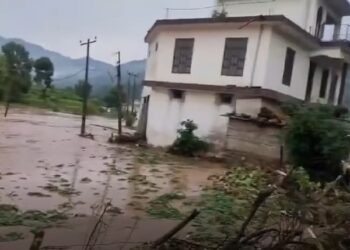
A cloudburst in Pahalgam on July 11, 2026, caused flash floods that damaged hotels and homes in the Awoora and Dehwathu areas. Despite the inundation, no casualties were reported. The local administration has evacuated tourists and initiated safety measures, including temporary power outages, while monitoring stream levels for further weather-related risks.
Intense rainfall and localized flooding in south Kashmir have forced tourist evacuations and prompted emergency infrastructure assessments.
PAHALGAM — A localized cloudburst struck the upper reaches of Pahalgam in south Kashmir’s Anantnag district on Saturday evening, July 11, 2026, triggering sudden flash floods that inundated residential homes and tourist establishments. The incident, which occurred across the Awoora and Dehwathu forest areas, has raised immediate concerns regarding infrastructure stability in the popular Himalayan destination as the region faces ongoing weather instability.
According to district officials, the surge of water from the local stream swept through the area, damaging at least half a dozen hotels and several houses. While the rapid influx of water necessitated the immediate relocation of tourists to safer areas, authorities confirmed that no casualties or injuries have been reported.
Emergency Response and Infrastructure Impact
The local administration, led by the Sub-Divisional Magistrate (SDM) of Pahalgam, initiated a swift emergency response. Technical teams from the Flood Control Department and revenue officials were deployed to the site to assess the extent of the damage.
As a critical safety precaution, the Power Development Department (PDD) suspended electricity supply to several villages, including Awoora, Dehwathu, Laddi, and Batkoot. The shutdown of 11 KV feeders from the Batkoot Receiving Station was implemented to mitigate the risk of electrocution during the flooding.
Meteorological data indicates that Pahalgam recorded the highest rainfall in Jammu and Kashmir over the past 24-hour period, receiving 42.6 mm of precipitation. While water levels in the Sheshnag and Lidder Nallah rose sharply following the cloudburst, officials confirmed that both streams remained below their respective alarm levels as of Sunday morning.
Official Sources
According to updates from the Met Centre Srinagar, the intense weather event was localized. The district administration has appealed to both residents and visitors to maintain vigilance, avoid movement near swollen streams, and strictly adhere to official weather advisories.
"The administration acted swiftly after receiving information about the cloudburst. All concerned departments, including Flood Control, Revenue, and Power Development, have been placed on alert to monitor the evolving situation," officials stated in a press briefing.
Why It Matters
This event highlights the increasing vulnerability of high-altitude tourist destinations to climate-induced weather anomalies. For local businesses and the hospitality sector in Pahalgam, the damage to infrastructure represents a significant operational challenge during the peak tourism season. For travelers, the incident serves as a reminder of the importance of monitoring local weather forecasts and emergency alerts when visiting sensitive ecological zones in the Himalayas.
Key Facts at a Glance
Event: A cloudburst triggered flash floods in Awoora and Dehwathu forest areas on July 11, 2026.
Damage: At least six hotels and several residential houses were inundated by overflowing streams.
Casualties: No loss of life or injuries reported by the district administration.
Precaution: Power supply was suspended in four villages (Awoora, Dehwathu, Laddi, and Batkoot) as a safety measure.
Rainfall: Pahalgam received 42.6 mm of rain, the highest recorded in the Union Territory in the 24-hour window.
FAQ
Is it safe to travel to Pahalgam now?
While the situation has stabilized and water levels are below alarm marks, tourists are advised to monitor updates from the local administration and avoid areas near streams or Nallahs.
What should residents do if they live near the affected streams?
Authorities have urged residents to remain vigilant, stay away from water bodies, and follow instructions provided by the District Disaster Management Authority.
When will power be restored to the affected villages?
The Power Development Department is conducting inspections; electricity will be restored once officials deem it safe to re-energize the 11 KV feeders.
Will there be more rain in the coming days?
The meteorological department has predicted scattered light rain and thunderstorms across the region, with brief intense showers expected in isolated areas.
Source: Met Centre Srinagar, Flood Control Department, Power Development Department, District Administration Anantnag