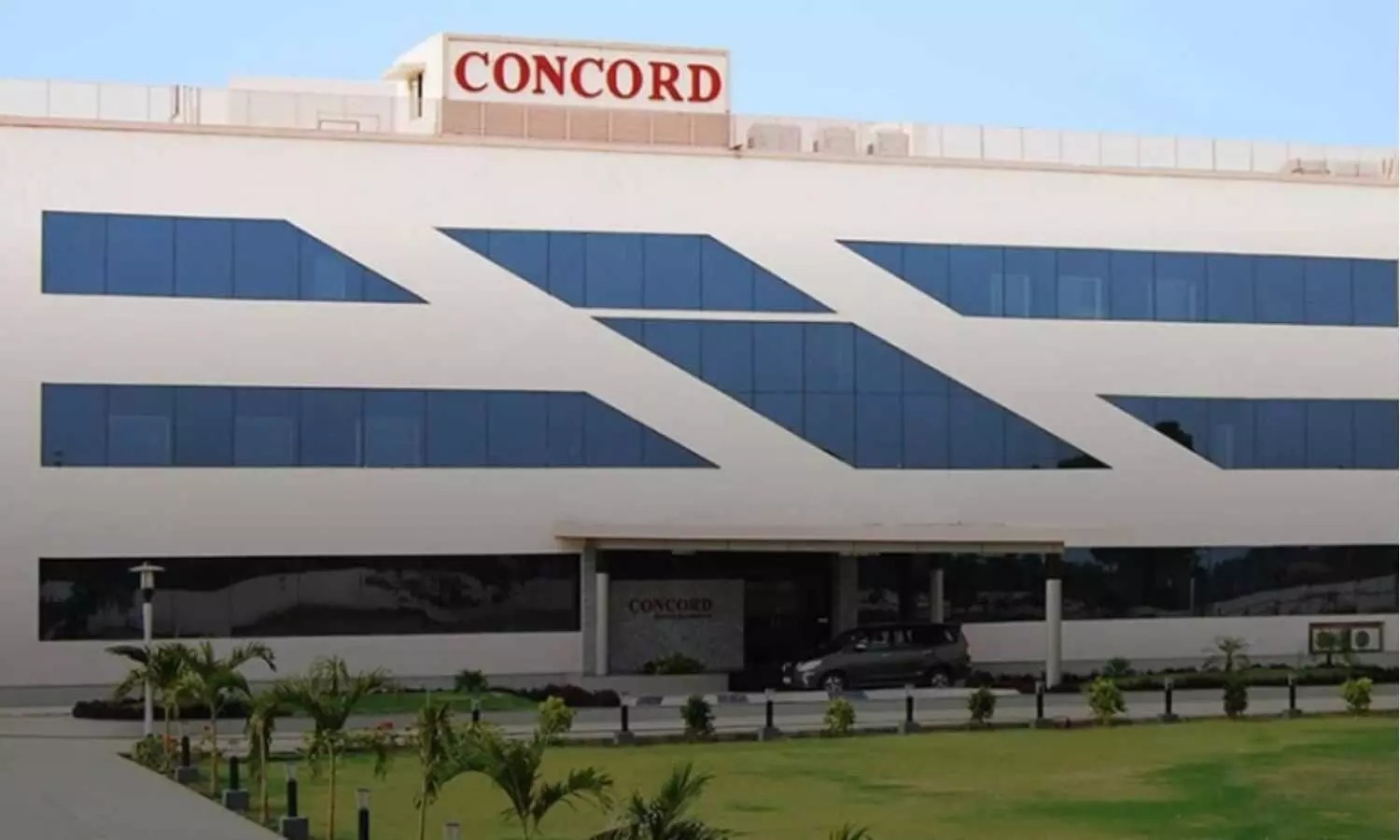
Concord Biotech has received final USFDA approval for its Abbreviated New Drug Application (ANDA) for Tofacitinib Tablets (5 mg and 10 mg). Targeting a US$ 500 million U.S. market, this generic equivalent treats chronic conditions like rheumatoid arthritis, strengthening the company's global formulations presence and long-term export growth strategy.
AHMEDABAD, June 10, 2026 — Concord Biotech Limited announced today that it has received final approval from the United States Food and Drug Administration (USFDA) for its Abbreviated New Drug Application (ANDA) for Tofacitinib Tablets, in 5 mg and 10 mg strengths. The therapeutic bio-equivalent generic matches the reference listed drug, Xeljanz, originally developed by Pfizer Inc.
The regulatory clearance, disclosed in a filing to Indian stock exchanges this morning, marks a major milestone for the Ahmedabad-headquartered biopharmaceutical company. It expands Concord’s global formulations portfolio and accelerates its commercial penetration into the competitive United States healthcare infrastructure.
Targeting the US$500 Million Autoimmune Segment
Tofacitinib is a potent Janus kinase (JAK) inhibitor utilized in complex immunology treatments. Concord Biotech's newly approved generic tablets are medically indicated for a broad spectrum of chronic conditions in adult patients, including:
Moderately to severely active rheumatoid arthritis (RA)
Active psoriatic arthritis (PsA)
Active ankylosing spondylitis (AS)
Moderately to severely active ulcerative colitis (UC)
Active polyarticular course juvenile idiopathic arthritis (pcJIA)
According to industrial trade logs and institutional market estimates, the combined annual market for Tofacitinib Tablets across both approved strengths in the United States is valued at approximately US$ 500 million. The company aims to capitalize on these high-margin commercial blocks by deploying its cost-competitive manufacturing baseline.
Strengthening the Global Formulations Portfolio
Concord Biotech has traditionally operated as a global powerhouse in fermentation-based Active Pharmaceutical Ingredients (APIs), commanding significant volume shares in immunosuppressants like tacrolimus, cyclosporine, and sirolimus. Over the past few years, the firm has systematically climbed the value chain by transitioning into finished dosage formulations.
The manufacturing of the newly cleared Tofacitinib generic will be anchored at the company’s state-of-the-art formulation facility near Ahmedabad, which holds validation from strict regulatory bodies across Europe, Japan, and North America. By controlling both the raw chemical synthesis and final tablet pressing, the business maintains end-to-end supply chain insulation.
Strategic Impact on Patients, Healthcare Systems, and Investors
For chronic autoimmune patients in the United States, the entry of another high-quality generic alternative introduces vital price competition. Advanced JAK inhibitors have historically commanded steep pricing tiers, often limiting long-term patient compliance. Affordable generic choices significantly lower out-of-pocket overheads and assist insurance providers in rationalizing clinical budgets.
For public market equity investors, this development strengthens Concord’s mid-term growth outlook. Listed on both the National Stock Exchange (NSE) and BSE Limited, the company has positioned its business model to capture premium generic markets. Analysts note that entering the multi-million dollar generic immunology space will diversify the company's export earnings and shield consolidated margins from standard API price variations.
Official Sources Section
The operational, clinical, and corporate milestones highlighted in this news coverage are directly verified against:
Regulatory Disclosures: Material updates submitted under Regulation 30 of the SEBI (Listing Obligations and Disclosure Requirements) Regulations, 2015, dated June 10, 2026.
Exchange Archives: Official submission sheets cataloged by the National Stock Exchange of India (NSE) corporate portal.
Health Authorities: Product compliance data logs maintained by the U.S. Food and Drug Administration (USFDA).
Quote Section
"The approval positions the Company to capitalize on these attractive market opportunities, enhance its product offerings, and support its long-term growth strategy across the U.S. and international markets."
— Paritosh Trivedi, Company Secretary & Compliance Officer, Concord Biotech Limited
Why It Matters
As global healthcare systems wrestle with escalating prescription costs, the validation of generic alternatives for complex therapeutic categories remains essential. Concord Biotech's successful navigation of the rigorous USFDA ANDA framework highlights the rising technological capability of Indian pharmaceutical houses. It transforms a niche fermentation specialist into a fully integrated global generic competitor capable of supplying highly regulated markets.
Key Facts at a Glance
Regulatory Approval: Awarded final USFDA ANDA clearance for generic Tofacitinib.
Product Strengths: Approved for immediate manufacture in 5 mg and 10 mg formats.
Addressable Market Size: Placed within a target sector estimated at US$ 500 million annually in the United States.
Therapeutic Scope: Targets key autoimmune diseases including rheumatoid arthritis and ulcerative colitis.
FAQ Section
Q: What is Tofacitinib, and how does it work inside the human body?
A: Tofacitinib belongs to a class of medications called Janus kinase (JAK) inhibitors. It works by decreasing the activity of specific enzymes in the immune system that cause inflammation, making it highly effective for chronic conditions like rheumatoid arthritis.
Q: When will Concord Biotech launch these tablets in the United States?
A: Following final USFDA clearance, the company initiates commercial logistics, including packaging setup and distribution alignments. Exact distribution timelines will be updated via upcoming corporate trading calls.
Q: Will this USFDA clearance impact the availability of medications in India?
A: No. Concord Biotech manages separate dedicated production blocks for domestic formulations and regulated western markets, ensuring that local domestic hospital supplies remain completely unaffected by international export mandates.
Source: National Stock Exchange of India, U.S. Food and Drug Administration, Securities and Exchange Board of India.