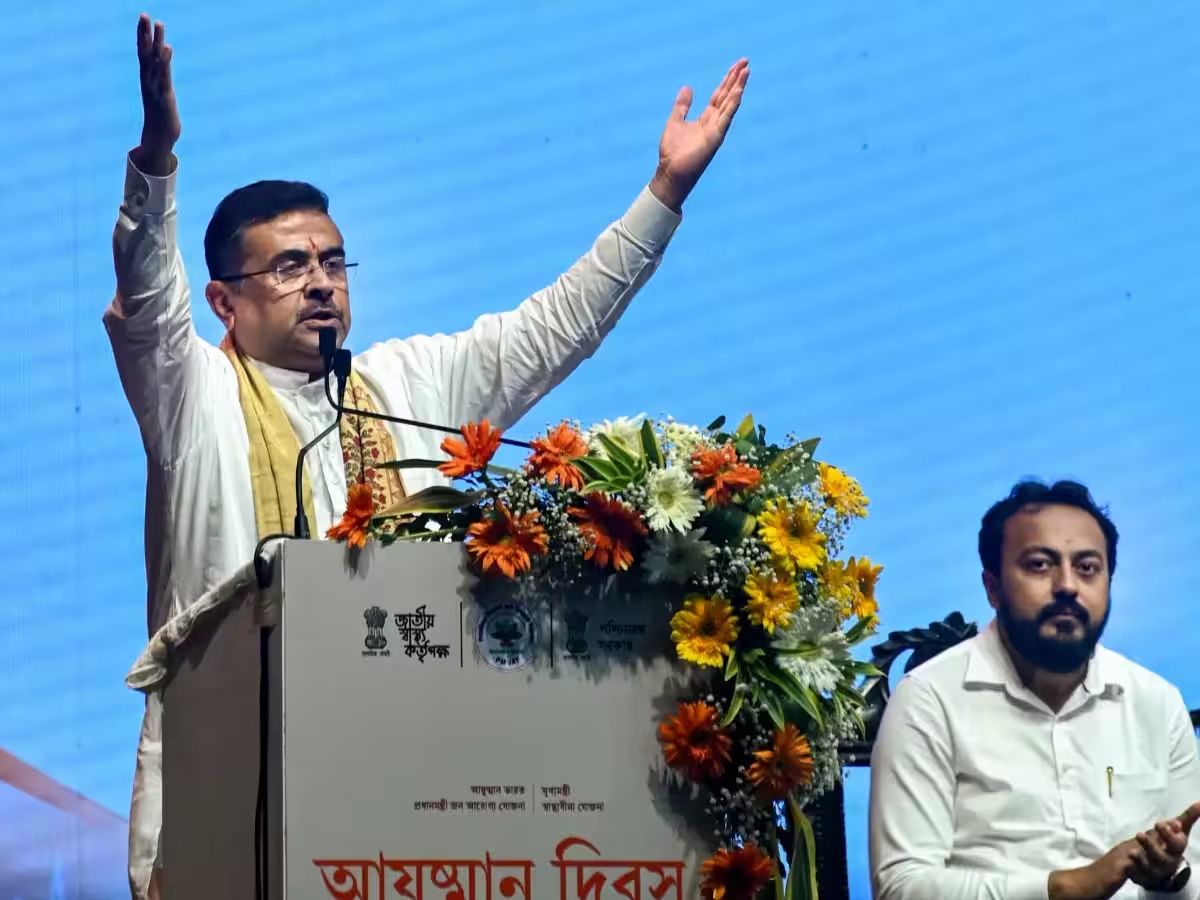
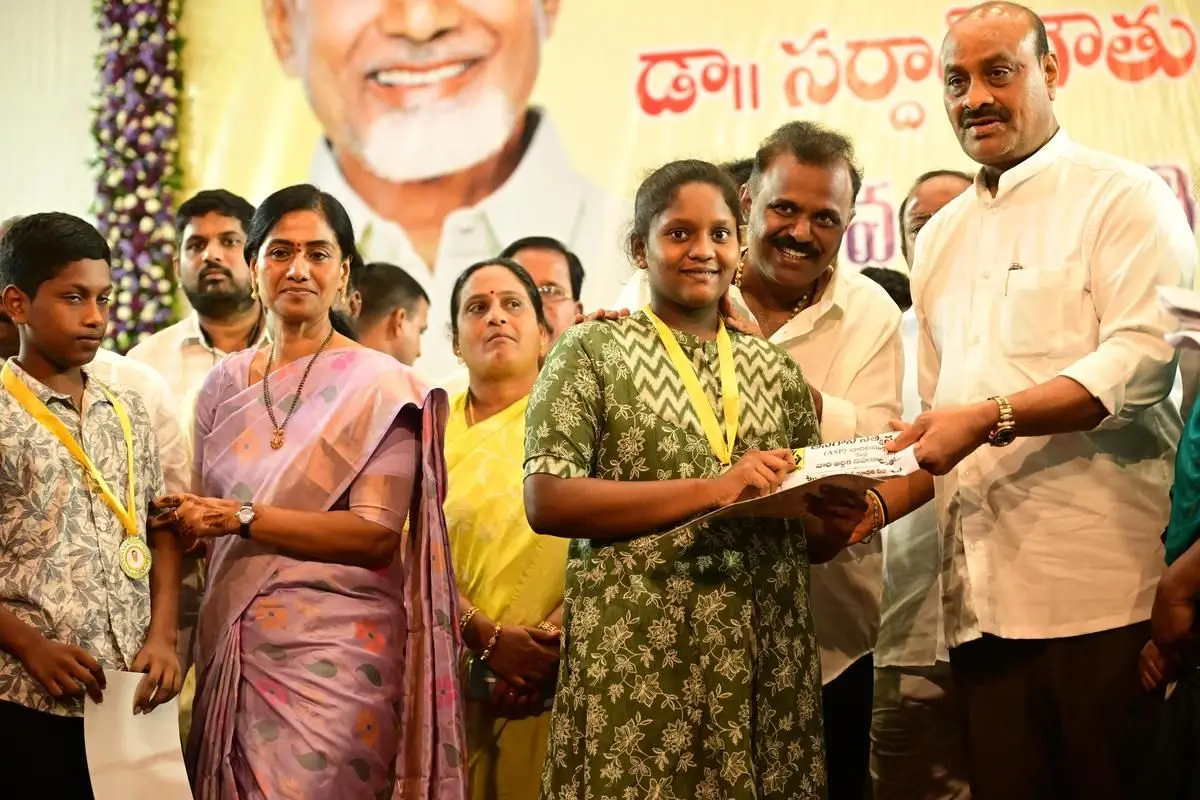
Launching the Ayushman Bharat scheme and Mukhyamantri Swasthya Bima Yojana in West Bengal, Chief Minister Suvendu Adhikari announced that over 1,850 public and private hospitals across the state will provide cashless treatment. The integrated initiatives offer up to Rs 5 lakh in coverage, expanding access to nearly 38,600 hospitals nationwide.
Backed by official state rollouts, the integration of central and regional health initiatives opens cashless medical access across thousands of facilities.
In a major structural transformation of regional healthcare delivery, West Bengal Chief Minister Suvendu Adhikari formally launched the central Ayushman Bharat Pradhan Mantri Jan Arogya Yojana (AB-PMJAY) alongside the newly minted Mukhyamantri Swasthya Bima Yojana on Sunday, August 16, 2026. Speaking at an 'Ayushman Diwas' event held at the Netaji Indoor Stadium in Kolkata, officials confirmed that the combined framework will initially empanel 1,867 hospitals across the state—comprising 1,240 private institutions and 627 government medical facilities. The rollout marks a significant policy shift aimed at providing comprehensive, cashless medical protection to millions of residents.
Expanding Infrastructure and Nationwide Portability
The newly integrated health framework is designed to bridge historical gaps in state-level medical coverage by linking local facilities to a broader national grid. While previous regional programs restricted claims strictly within state boundaries, the integration with Ayushman Bharat allows beneficiaries to receive cashless treatment at over 38,600 registered hospitals nationwide.
Key structural and operational parameters announced during the launch include:
Hospital Network Breakdown: A total of 1,867 medical facilities have been onboarded in West Bengal, split between 1,240 private centers and 627 government installations.
Financial Coverage Limit: Eligible families receive up to Rs 5 lakh per year for secondary and tertiary care hospitalizations.
Treatment Scope: The combined schemes encompass approximately 1,950 specialized treatment packages, expanding past previous procedural limits.
Senior Citizen Inclusions: All citizens aged 70 and above gain universal coverage under the expanded central framework regardless of income criteria.
Auxiliary Medical Access: Plans include setting up 100 'Amrit' pharmacies and around 480 Pradhan Mantri Jan Aushadhi centres at government hospitals to supply affordable medicines.
Impact on Citizens, Migrant Workers, and Private Healthcare Providers
For ordinary citizens and the state's estimated one crore migrant workers living outside West Bengal, nationwide portability removes historical barriers to emergency treatment. Those not covered under the central criteria will be systematically absorbed by the Mukhyamantri Swasthya Bima Yojana, which is projected to protect roughly 80 lakh families. Meanwhile, addressing concerns raised by private medical institutions and philanthropic organizations—such as those run by the Ramakrishna Mission regarding reimbursement rate categories—Chief Minister Adhikari assured stakeholders that the administration would actively consult with hospital operators to resolve pricing structures.
Why It Matters
Integrating regional health initiatives with a national insurance framework ensures that patients are no longer restricted by geographic boundaries during medical emergencies. Expanding hospital empanellment improves healthcare delivery standards and secures financial protection for vulnerable households.
Key Facts at a Glance
Initiatives Launched: Ayushman Bharat (AB-PMJAY) and Mukhyamantri Swasthya Bima Yojana.
Total Empanelled Hospitals in State: 1,867 facilities (1,240 private and 627 government).
Coverage Amount: Up to Rs 5 lakh per family annually.
Nationwide Reach: Access to roughly 38,600 hospitals across India.
FAQ Section
How many hospitals are covered under the new health schemes in West Bengal?
A total of 1,867 hospitals have been integrated into the network, consisting of 1,240 private facilities and 627 government medical institutions.
What is the financial coverage provided to eligible families?
Beneficiaries are entitled to cashless health insurance coverage of up to Rs 5 lakh per family per year for secondary and tertiary hospitalizations.
Can patients use these health cards outside of West Bengal?
Yes. One of the primary advantages of the integrated rollout is nationwide portability, allowing patients to access cashless treatment at over 38,600 empanelled hospitals across India.
Where can residents verify eligibility and find empanelled hospitals?
Applicants can check enrollment status and locate participating medical centers via the Ayushman Bharat Beneficiary Portal or official government health department updates.
Source: Newsonair Official Releases, Press Trust of India (PTI), The Economic Times Regional Desk, India Today National Reports, Ayushman Bharat Beneficiary Portal