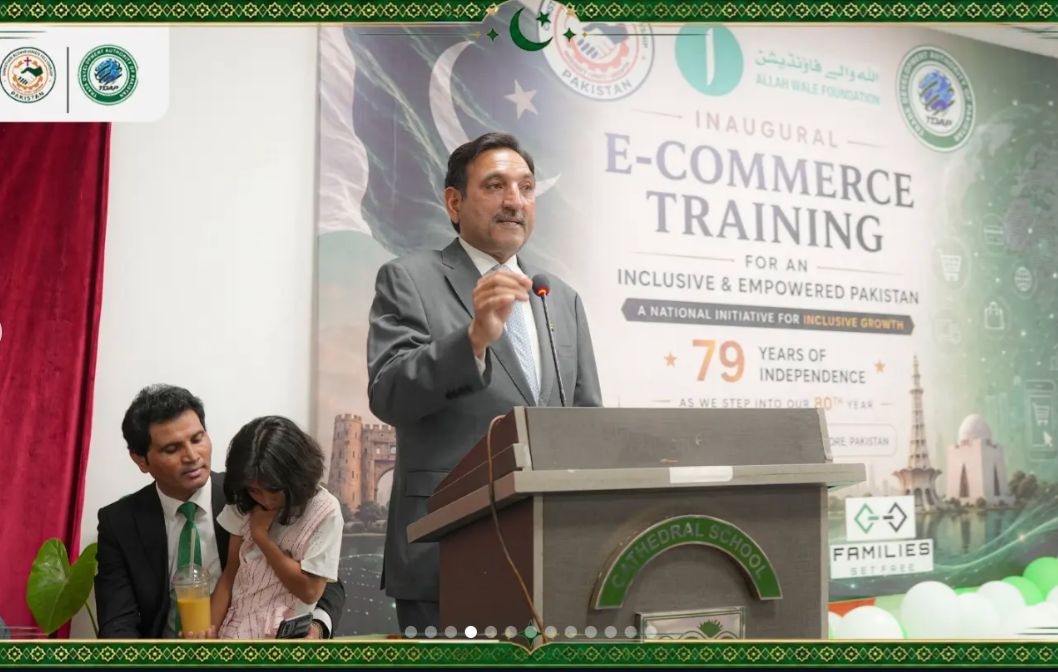
To boost national export volumes and equip local enterprises with digital tools, the Trade Development Authority of Pakistan (TDAP) has launched a specialized e-commerce training program. The initiative focuses on digital store management, cross-border market penetration, and logistics optimization, enabling small and medium businesses to thrive globally.
Aiming to accelerate digital adoption across the commercial sector, a new national training initiative equips local businesses with essential e-commerce capabilities.
In a strategic move to integrate domestic enterprises into global digital marketplaces, the Trade Development Authority of Pakistan (TDAP) officially rolled out a specialized e-commerce training programme. Announced during national trade briefings in August 2026, the structured capacity-building initiative addresses critical skill gaps among local manufacturers, small-and-medium enterprises (SMEs), and aspiring exporters. By offering targeted instruction on virtual storefront management, cross-border compliance, and digital marketing, the program seeks to enhance the international competitiveness of local goods in an increasingly online global economy.
Program Structure and Core Modules
Designed in collaboration with digital trade experts and regional chambers of commerce, the curriculum provides practical guidance tailored to modern online retail and wholesale ecosystems. TDAP officials emphasized that transitioning traditional manufacturing sectors toward digital-first models requires a comprehensive understanding of international payment gateways and platform algorithms.
Core components covered within the training modules include:
Virtual Storefront Setup: Educating participants on how to register, configure, and optimize accounts across major domestic and international e-commerce hubs.
Digital Marketing and Analytics: Training traders to utilize data analytics, search engine optimization, and targeted advertising to capture international consumer interest.
Logistics and Supply Chain Management: Streamlining order fulfillment, warehouse management, and cross-border shipping protocols to reduce transit delays.
Regulatory Compliance: Navigating digital trade policies, digital taxation frameworks, and international export documentation seamlessly.
Impact on Businesses, Investors, and Local Exporters
For small and medium business owners, breaking into international markets has historically been hindered by high overhead costs and a lack of technical know-how. This initiative lowers those entry barriers, enabling local artisans, manufacturers, and traders to sell directly to global consumers. For investors and market analysts, upskilling the domestic merchant base translates into higher export resilience, diversified revenue streams, and accelerated growth within Pakistan's digital economy.
Why It Matters
As global commerce shifts decisively toward online ecosystems, traditional manufacturing alone is no longer sufficient to guarantee market expansion. Providing structured digital training ensures that local enterprises can compete effectively on world stages, secure better margins, and scale operations efficiently.
Key Facts at a Glance
Nodal Agency: Trade Development Authority of Pakistan (TDAP).
Core Focus: E-commerce enablement, digital store management, and cross-border trade optimization.
Target Audience: Local manufacturers, SMEs, women entrepreneurs, and aspiring exporters.
Primary Objective: Enhancing global market outreach and increasing national export volumes through digital literacy.
FAQ Section
What is the main objective of the TDAP e-commerce training programme?
The initiative aims to train local exporters, SMEs, and entrepreneurs in digital storefront management, cross-border logistics, and online marketing to boost international sales.
Who is eligible to participate in these training sessions?
Local manufacturers, registered exporters, small business owners, and new entrepreneurs seeking to expand their operations into digital marketplaces can enroll.
What key subjects are covered in the training curriculum?
Participants receive instruction on digital platform registration, search optimization, international payment processing, regulatory compliance, and supply chain logistics.
Where can interested businesses access registration details and program schedules?
Official announcements, application portals, and training calendars are accessible via the Trade Development Authority of Pakistan (TDAP) Official Portal and The News Pakistan Trade Desk.
Source: Trade Development Authority of Pakistan (TDAP) Official Portal, The News Pakistan Trade Desk, Associated Press of Pakistan (APP) Business Archives, Invest India Digital Trade Repositories