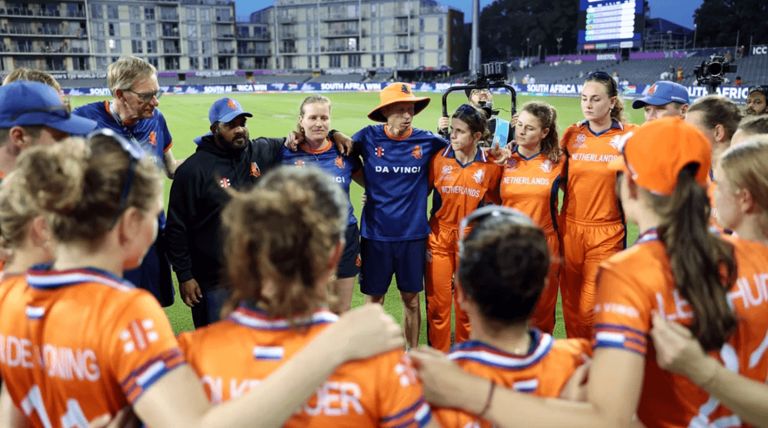
More than 100 women cricketers have joined an ICC-backed AI moderation program to combat online abuse. This initiative, which removed 60,000 harmful comments during the first week of the T20 World Cup, aims to protect player wellbeing by curbing digital toxicity and allowing athletes to engage safely with their fans.
LONDON — More than 100 international women cricketers have collectively enrolled in the International Cricket Council’s (ICC) Player Protection Programme, a significant move aimed at silencing the vitriolic social media trolling that has increasingly plagued the sport. The initiative, which leverages AI-powered moderation to filter harmful content, highlights the growing pressure female athletes face in digital spaces while trying to maintain engagement with genuine fans.
The decision to join the program comes amidst the ongoing ICC Women’s T20 World Cup 2026, where the moderation tool has already proven its necessity. In just the first week of the tournament, the system reviewed nearly 250,000 comments, resulting in the removal of approximately 60,000 pieces of harmful content.
Tackling the 'Toxicity' in Women’s Cricket
The rise of digital abuse has become a focal point for player welfare. Players from seven of the 12 teams currently competing in the World Cup, along with various match officials and broadcasters, have opted into the service. The program, developed in partnership with the AI firm Freedom2hear, does not just monitor but actively intervenes; during the tournament’s opening week, it placed temporary restrictions on over 2,000 repeat offenders and blocked 370 users for violating community guidelines.
For many athletes, the decision to sign up is a response to the intense "toxicity" that has characterized their online presence. Indian left-arm spinner Radha Yadav, who recently enrolled, noted that while social media remains a vital tool for connecting with fans, it has morphed into a hostile environment for female athletes.
A Standard for Athlete Wellbeing
The ICC first introduced this protective measure ahead of the 2024 Women’s T20 World Cup as a pillar of its broader strategy to safeguard player mental health. By providing an automated buffer against abuse, the organization aims to ensure that athletes can perform at their peak without the psychological toll of reading targeted harassment.
England wicketkeeper-batter Amy Jones, another participant in the program, described the initiative as a "fantastic" development. She emphasized that while international athletes accept public scrutiny as part of their profession, the shift toward abuse rather than constructive criticism necessitates institutional support.
Why It Matters
The practical implications of this initiative extend beyond cricket. It signals a shift in how sports organizations handle the "darker reality" of modern professional athletics, where the line between fan engagement and targeted harassment has blurred. For businesses and sponsors, this move reinforces a commitment to a safe environment for their brand ambassadors, while for fans, it defines the boundaries of acceptable discourse in the digital age.
Key Facts at a Glance
Scale: Over 100 women cricketers have signed up for the protection service.
Efficiency: Nearly 60,000 harmful comments were removed in the first week of the current World Cup.
Enforcement: 370 users have been blocked and 2,000 repeat offenders faced temporary restrictions.
Coverage: The tool monitors interactions for players from seven of the 12 participating teams, as well as umpires and broadcasters.
FAQ
What does the ICC Player Protection Programme actually do?
The program uses AI technology to scan social media comments in real-time, identifying and automatically removing abusive, harassing, or harmful content directed at players and officials.
Why are more players joining now?
Rising levels of online toxicity and harassment during major tournaments have made the service essential for maintaining player mental health and ensuring they can safely interact with genuine supporters.
Is this only for the T20 World Cup?
No. While it is currently active for the T20 World Cup, the program has been a permanent component of the ICC’s safeguarding strategy since 2024 and is utilized across all major ICC events.
Source: International Cricket Council (ICC) Official News, NDTV Sports, The Economic Times