Global crude oil benchmarks plunged on June 24, 2026, as Brent and WTI futures extended losses by over $3. This sharp decline follows an interim diplomatic breakthrough and a 60-day U.S. sanctions waiver, which have normalized commercial tanker traffic through the strategic Strait of Hormuz chokepoint.
BENGALURU, India — International benchmark crude oil prices extended a multi-day selloff on Wednesday, June 24, 2026, dropping by more than $3 per barrel over the week's trading window. Global energy markets shifted violently as the critical Strait of Hormuz maritime corridor rapidly reopened to commercial traffic following an interim diplomatic breakthrough between Washington and Tehran. The easing of supply anxieties has abruptly erased the heavy geopolitical risk premiums that have defined energy benchmarks for months.
The dramatic shift comes on the heels of a 60-day sanctions waiver granted to Tehran by the U.S. Department of the Treasury. The temporary suspension allows Iranian crude to flow back into global distribution loops while the two nations negotiate a permanent peace accord. With physical crude cargoes now trading at distinct discounts worldwide, energy desks are rapidly recalibrating to a market defined by fast-rising Middle Eastern supply.
Supply Floodgates Crack Open at the Strait of Hormuz
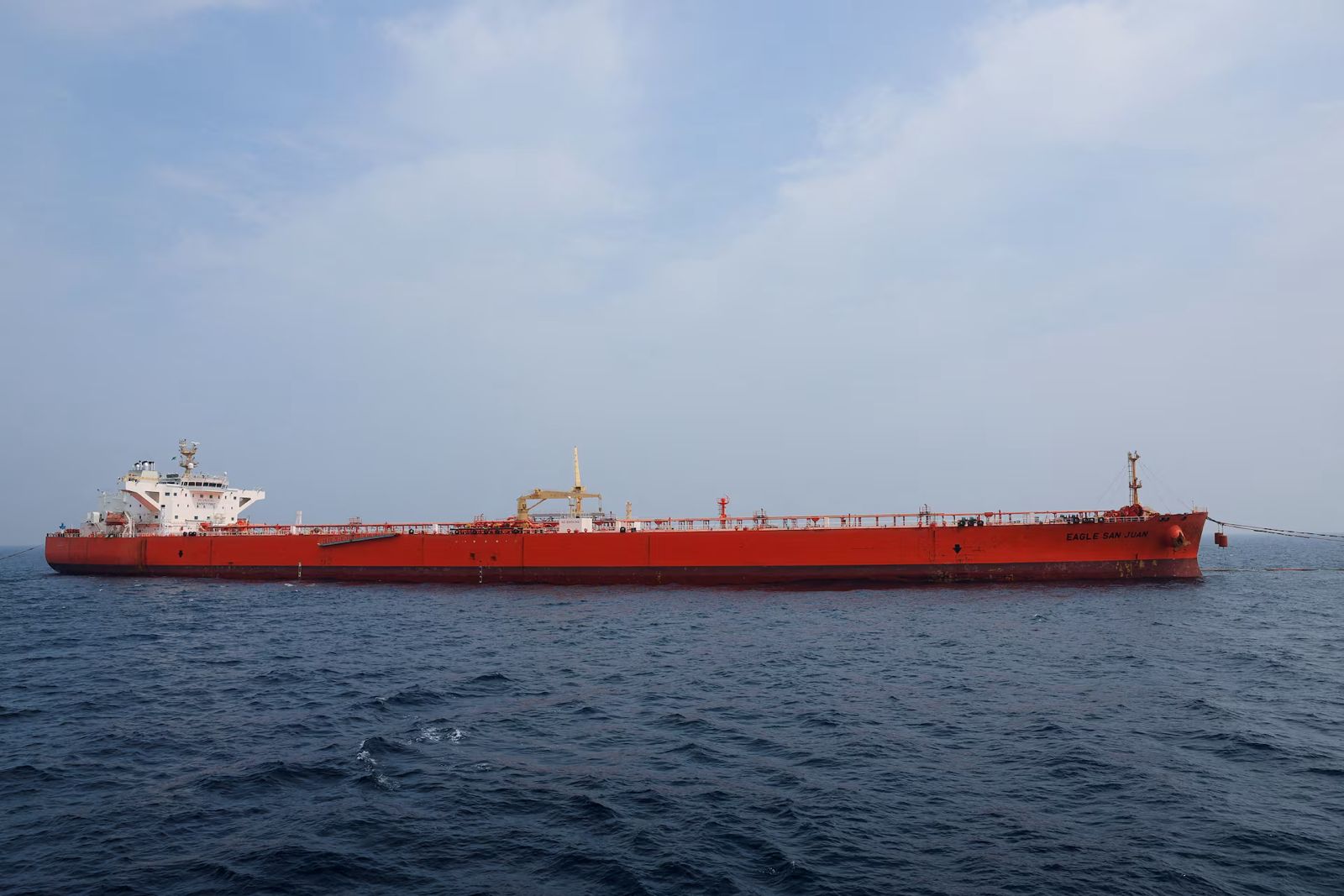
According to satellite tracking data compiled by maritime intelligence agencies, crude transport vessels have begun leaving the Persian Gulf with transponders activated at a pace not seen since the outbreak of regional hostilities. The U.S. Energy Information Administration (EIA) noted that while global inventories experienced severe draws earlier in the quarter, the resumption of traffic through this vital chokepoint is fundamentally altering global energy balances.
Sanctions Relief Declared
Mid-June 2026
The U.S. grants an official 60-day sanctions waiver to Iran, permitting immediate crude and petroleum product exports until August 21, 2026.
Strait Routing Secured
June 22, 2026
The Sultanate of Oman designates two toll-free safe passage lanes, initiating the movement of stranded Very Large Crude Carriers (VLCCs).
Benchmarks Cave Intraday
June 24, 2026
Brent and WTI drop sharply to multi-month lows as real-time tracking confirms millions of barrels of floating inventory are entering transit lanes.
Markets React to Rising Supply Volatility
During trading hours on Wednesday, ICE Brent crude futures fell over 1.5% to hit an intraday low of $74.77 a barrel—marking its weakest level since late February. Concurrently, NYMEX West Texas Intermediate (WTI) futures tumbled beneath critical support boundaries to hover near $71.11 a barrel. The dual benchmark decline represents an aggregate correction of over $3 per barrel from trading peaks established earlier in the month.
The broader market impact of this sudden pricing shift spans across several key metrics:
Shipping Rebounds: Three massive VLCCs carrying an aggregate 6 million barrels of crude cleared the Hormuz straits within a 24-hour window, confirming that commercial fleet operators are regaining confidence.
Downstream Fuel Adjustments: Wholesale refined products followed crude's downward trajectory, with front-month RBOB gasoline futures softening significantly to $2.9052 per gallon.
Currency Pressures: The cascading drop in oil value coincided with a surging U.S. Dollar Index, which hit a fresh 13-month high of 101.405, exerting secondary downward pressure on dollar-denominated commodities.
Quote Section
"While there are early encouraging signs of increased tanker activity, the market is actively pricing in a broader scenario where Iranian oil rapidly re-enters the global loop and the Strait of Hormuz completely normalizes," stated Tim Waterer, chief market analyst at KCM Trade, in an analytical briefing. "If these temporary sanction lifters hold, Iranian production and exports could ramp up within weeks rather than months, given the massive quantities currently held on floating maritime storage."
Why It Matters
For global consumers, businesses, and macroeconomic policymakers, the collapse in oil futures provides critical inflationary relief. Plummeting crude benchmarks translate directly into lower refined fuel costs, easing the severe logistics and supply-chain overheads that have plagued industrial manufacturers. However, the drop has also drawn intense political scrutiny. In the United States, President Donald Trump has already called for a formal Justice Department probe into downstream retail stations, publicly accusing major oil conglomerates of keeping pump prices artificially high despite the sharp collapse in upstream crude futures.
Key Facts at a Glance
Price Benchmarks Slashed: Both Brent and WTI crude futures extended their week-long correction, declining by more than $3 from their recent monthly highs to hit four-month lows.
Chokepoint De-escalation: The physical opening of the Strait of Hormuz has allowed millions of barrels of previously stranded crude oil to safely resume transit to global markets.
Regulatory Grace Period: A temporary 60-day policy waiver enacted by Washington shields Iranian crude shipments from asset sanctions through August 21, 2026.
Refined Fuel Relief: RBOB gasoline and ultra-low sulfur diesel futures tracked crude downward, bringing immediate relief to wholesale distributors.
FAQ Section
Why are crude oil prices falling so fast right now?
Prices are dropping because diplomatic progress between the U.S. and Iran has removed the "geopolitical risk premium." Shippers are safely navigating the Strait of Hormuz again, rapidly expanding the global availability of oil.
How low are the Brent and WTI benchmarks right now?
Brent crude futures have pulled back toward $74.77 per barrel, while U.S. West Texas Intermediate (WTI) has dropped to around $71.11 per barrel, representing multi-month lows for both indices.
Will this market shift lower retail gasoline prices immediately?
While wholesale fuel futures have dropped, retail pump prices often experience a delay. This pricing mismatch has prompted formal calls from the White House for an official review into corporate gasoline price gouging.
Source: Official market data feeds from ICE Futures Europe and the New York Mercantile Exchange (NYMEX), statutory waiver releases from the U.S. Department of the Treasury, and weekly supply datasets from the U.S. Energy Information Administration (EIA).