India is facing its driest June in over a century, with a 43 percent rainfall deficit stalling vital kharif crop sowing across 12 states. The government has activated emergency contingency plans across 315 affected districts, deploying alternative seeds and water buffers to protect agricultural yields against El Niño.
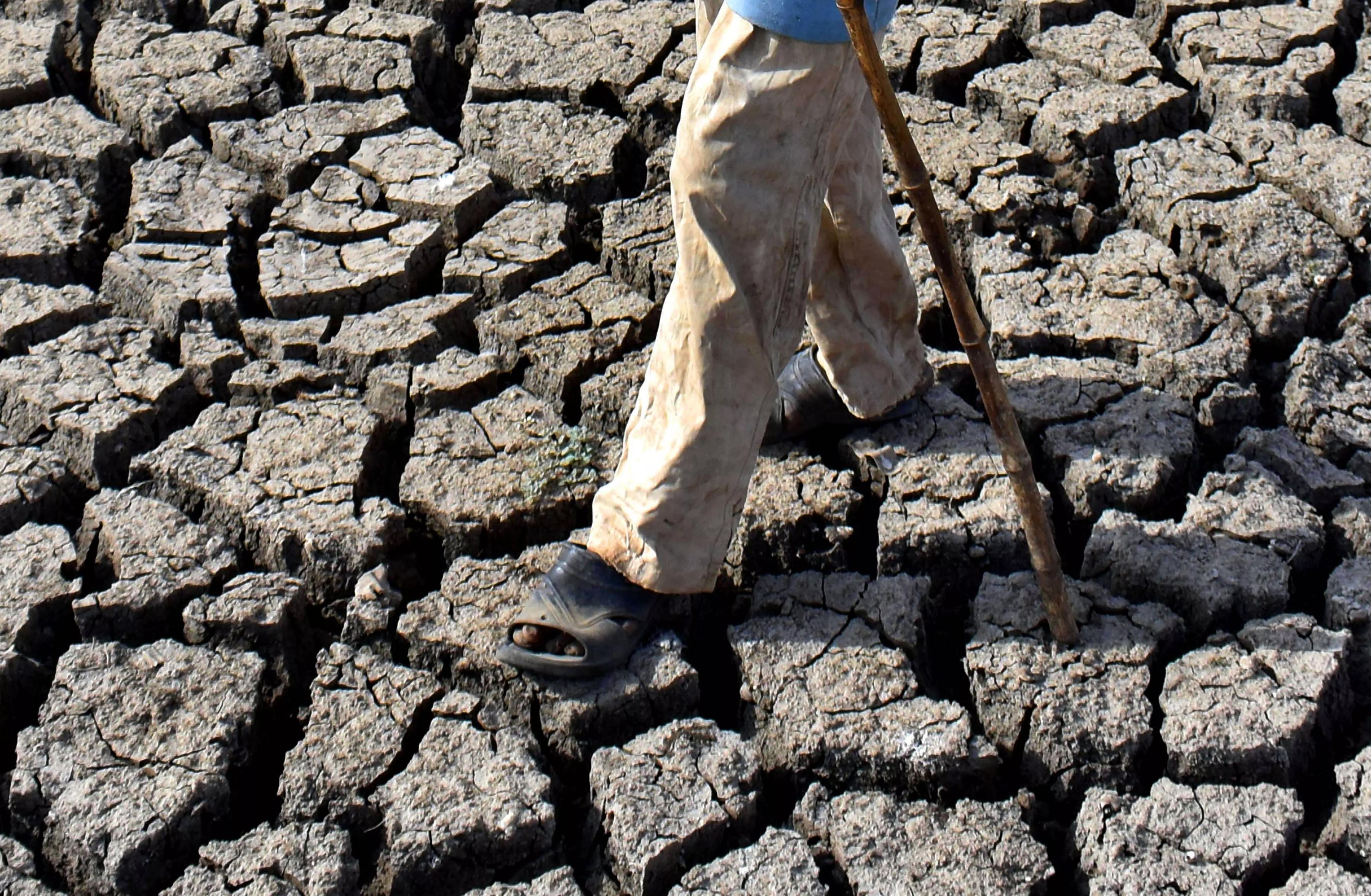
NEW DELHI — The Union Ministry of Agriculture and Farmers Welfare has officially launched emergency agricultural interventions following confirmation that India is experiencing its driest June in over a century. Announcing the crisis measures on Wednesday, June 24, 2026, Union Agriculture Minister Shivraj Singh Chouhan revealed that stalled monsoon winds and a rapidly strengthening El Niño phenomenon have left the country with an immediate 43 percent nationwide rainfall deficit. This severe moisture shortfall has abruptly decelerated the sowing of vital kharif season crops, imperiling rural incomes and threatening to drive up domestic food inflation.
El Niño Triggers Broad Stagnation Across Core Farm Belts
The critical southwest monsoon, which typically provides over 70 percent of India’s annual precipitation, hit a significant roadblocks shortly after making landfall in Kerala on June 4—three days behind schedule. Data verified by the India Meteorological Department indicates that after June 15, the northern progression of the monsoon stalled entirely for a week, leaving vast swaths of central, western, and northwestern India exposed to extreme heat stress and dry winds.
The abrupt drying trend has had an immediate impact on kharif season crop metrics. Across major agricultural blocks, seed germination has failed or planting has been intentionally delayed as farmers wait for a sustained weather revival. The most acute damage is currently concentrated within rain-fed agricultural tracts that lack deep canal infrastructure, leaving millions of smallholders vulnerable.
Crisis Management Mobilizes Over 315 Impacted Districts
During a high-level review meeting conducted over video conference with state ministers and regional collectors, the central government identified 315 districts currently bearing the brunt of the dry spell. To organize relief, authorities have classified these territories based on their baseline water security metrics.
The 111 high-priority districts—located across 12 vulnerable states including Madhya Pradesh, Maharashtra, Gujarat, Uttar Pradesh, Rajasthan, and Karnataka—are receiving immediate support. The government is coordinating with the Indian Council of Agricultural Research to implement localized District Agriculture Contingency Plans (DACPs). These strategies include distributing short-duration alternative seed varieties, implementing micro-irrigation mandates, and preparing emergency water transfers from regional storage facilities.
Supply Chains and Oilseed Missions Under Strain
The delayed planting pace is already generating waves across macroeconomic indicators. Market tracking data reveals a notable reduction in initial kharif fertilizer demand estimates, signaling that farmers are scaling back input purchases due to the high risk of crop failure.
The timing of this dry spell is particularly damaging for India’s high-priority national oilseeds and pulses missions, which were designed to eliminate billions of dollars in foreign import dependencies. Because roughly 90 percent of the land allocated for pulses is completely dependent on timely rainfall, prolonged dry spells through early July could force major acreage reductions, threatening the domestic supply of staples.
Quote Section
"We have established a dedicated El Niño Monitoring Cell and a Crop Weather Watch Group in New Delhi to monitor the situation daily," stated Agriculture Minister Shivraj Singh Chouhan during the press briefing. "According to officials, state-level reviews are being conducted weekly at the secretary level. Organizers stated that while our buffer stocks of wheat and rice are at comfortable levels, we are urging states to quickly implement alternative crop choices if a sustained monsoon revival fails to occur by the first week of July."
Why It Matters
For rural households, the historic June dry spell threatens to severely reduce seasonal incomes, potentially locking families into cycles of agricultural debt. For everyday consumers and citizens, a drop in kharif production could trigger a sharp spike in food inflation, driving up the retail prices of essential pantry items like pulses, edible oils, and vegetables. For investors and businesses, the slow pace of sowing reduces rural spending capacity, which could cool downstream demand for consumer goods, tractors, and automobiles over the coming quarters.
Key Facts at a Glance
Century-Level Deficit: Marks the lowest June cumulative rainfall recorded across India in over 100 years, with a 43 percent deficit.
Emergency Mapping: The central government has flagged 315 districts as vulnerable, classifying 111 as high-priority zones.
Sowing Stalled: Planting for major summer crops like soybeans, pulses, and cotton has slowed dramatically due to dry topsoil.
El Niño Intensification: The IMD has lowered its long-range monsoon forecast to 90 percent of the Long Period Average (LPA), the lowest baseline projection in 11 years.
Infrastructure Buffers: Central water reserves currently hover at 30.4 percent capacity, providing a temporary irrigation buffer for some regions.
FAQ Section
What exactly is a kharif season crop?
Kharif crops are summer agricultural products sown at the beginning of the southwest monsoon season (June–July) and harvested during the autumn months (September–October). Key examples include paddy rice, maize, soybeans, cotton, and pulses.
How does the government's district contingency plan help a farmer?
The District Agriculture Contingency Plans (DACPs) provide practical, localized workarounds for farmers during droughts. These include supplying drought-resistant seeds, advising on alternative crops like millet if the optimal planting window closes, and releasing emergency canal water.
Will this historic dry spell cause an immediate shortage of rice and wheat?
No. According to central logistics records, India’s national buffer stocks for rice and wheat remain at high levels. While localized crop damage could put pressure on prices, overall food security is protected by these substantial reserves.
Why does El Niño harm the Indian monsoon?
El Niño involves the unusual warming of surface waters in the eastern Pacific Ocean. This shift disrupts global atmospheric circulation patterns, frequently weakening the trade winds that drive the southwest monsoon across the Indian subcontinent.
Source: Ministry of Agriculture and Farmers Welfare Reports, India Meteorological Department Bulletin, ICAR-CRIDA Contingency Archives.