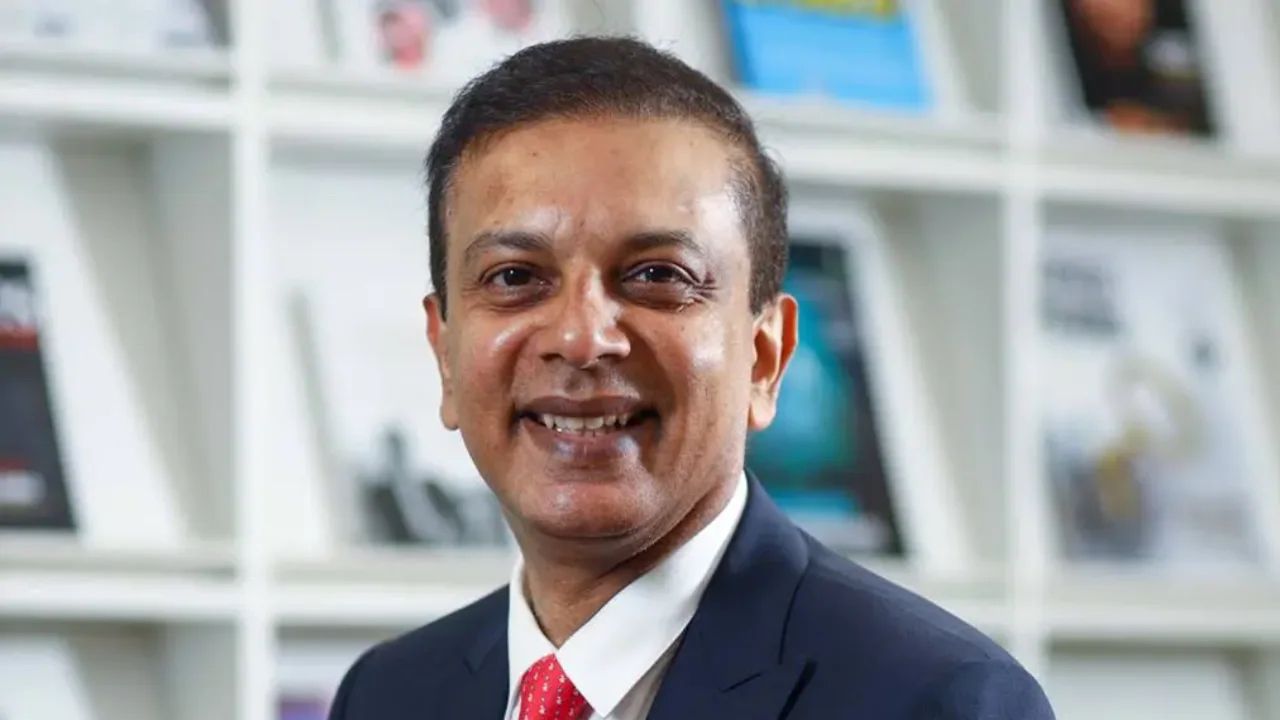
Dr. K. Satish Reddy, Chairman of Dr. Reddy’s Laboratories, has urged India to transition from a generic manufacturer to a global discovery hub. By prioritizing innovation at scale and investing in advanced research infrastructure, India can capture high-value biotechnology markets and improve domestic access to cutting-edge, proprietary therapeutic treatments.
HYDERABAD, India — To transition from being the "pharmacy of the world" into a true global discovery hub, India must prioritize massive innovation at scale, according to Dr. K. Satish Reddy, Chairman of Dr. Reddy’s Laboratories. Speaking at a corporate leadership summit in Hyderabad on Wednesday, June 24, 2026, Reddy emphasized that the next decade of national growth depends on shifting industry focus from high-volume generic production to high-value, proprietary drug discovery and advanced biological research.
This strategic pivot is essential today as the global pharmaceutical landscape faces rising pressure to lower costs while simultaneously accelerating the development of specialized therapies for rare diseases and complex autoimmune conditions.
Moving Beyond Generic Manufacturing
India currently dominates the global supply chain for affordable generic medications, with a massive share of worldwide pharmaceutical exports. However, Reddy argued that the country's long-term economic resilience requires a fundamental upgrade in its intellectual property (IP) framework. He noted that while manufacturing scale is a foundational strength, innovation at scale is the only pathway to achieving sustainable, high-margin global competitiveness.
The chairman outlined a roadmap requiring closer synchronization between private-sector laboratories, government-funded research institutes, and academic incubators. By fostering an ecosystem that encourages high-risk, high-reward research—often referred to as "deep tech" pharma—India could drastically reduce its current reliance on imported active pharmaceutical ingredients (APIs) and advanced biotechnology patents.
The Infrastructure of Global Discovery
To fulfill this ambition, the industry must overcome persistent bottlenecks in clinical trial regulation and capital allocation for research and development (R&D). Reddy pointed to recent regulatory streamlining by the Central Drugs Standard Control Organization (CDSCO) as a positive step, yet stressed that significant investment in specialized research infrastructure is mandatory.
Innovation at scale requires not just talent, but the physical environment to support it. The pharmaceutical leader highlighted that states like Telangana, Maharashtra, and Karnataka are currently leading this transition by developing dedicated "life science clusters" that offer integrated testing facilities, data science hubs, and accelerated regulatory pathways. This localized focus helps small-to-medium research firms scale their discovery phases, a critical step before full-scale commercialization.
Impact on Healthcare and Economic Growth
The shift toward becoming a global discovery hub carries significant implications for various stakeholders. For citizens, this evolution promises faster access to indigenous, affordable therapies for conditions that currently require expensive, imported medications. For businesses and investors, the movement toward proprietary drug discovery presents an opportunity to capture value in the lucrative global biotechnology market, which is currently seeing record investment in therapeutic innovation.
Economic analysts observe that if India successfully integrates innovation at scale into its pharmaceutical DNA, it could potentially double its domestic pharma revenue by 2035, significantly diversifying its export portfolio beyond traditional generics.
Quote Section
"According to officials, the government is committed to providing the necessary policy environment to support indigenous drug discovery," Dr. Reddy noted during his address. "Organizers stated that the future of Indian pharmaceuticals relies on our ability to translate our historical manufacturing expertise into proprietary, cutting-edge scientific innovation that addresses the most complex medical needs on a global scale."
Why It Matters
The shift toward innovation at scale is critical for securing India’s future as a global discovery hub. If India fails to modernize its pharmaceutical research capacity, it risks being marginalized as global markets trend toward biosimilars and cell therapies, where proprietary technology dictates pricing power. Successfully scaling this innovation means moving India up the global value chain, resulting in higher-paying jobs for STEM professionals and greater national autonomy in critical healthcare delivery.
Key Facts at a Glance
Strategic Shift: Moving India from a "generic pharmacy" to a "global discovery hub."
Infrastructure Requirement: Needs integrated "life science clusters" that combine R&D with advanced data analytics.
Economic Goal: Aiming to capture higher value in the biotechnology market through proprietary IP development.
Regulatory Alignment: Strengthening cooperation with the CDSCO to streamline clinical trials for new drug entities.
FAQ Section
Q1: What does "innovation at scale" mean in the pharmaceutical context?
It refers to moving beyond the mass production of generic drugs to building the infrastructure and human capital required to invent, test, and patent new therapeutic molecules, vaccines, and advanced biological drugs on a massive, commercially viable scale.
Q2: How does a global discovery hub benefit the average citizen?
It facilitates the development of locally-made, highly effective treatments for chronic diseases, reducing the nation’s dependence on expensive imported medicines and ultimately lowering the cost of advanced healthcare.
Q3: What are the main hurdles India faces in this transformation?
The primary challenges include the need for increased venture capital for high-risk research, more robust patent protection mechanisms, and a deeper integration between theoretical academic research and commercial industrial output.
Source: Dr. Reddy's Laboratories Official Communications, Department of Pharmaceuticals Ministry Briefings, and Invest India Pharma Sector Reports.