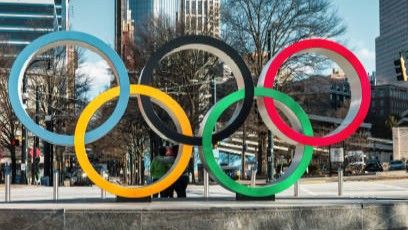
India’s quest to host the 2036 Olympics has gained clarity as the IOC mandates a new "Strategic Dialogue" phase, with a final host decision set for mid-2029. Ahmedabad remains the primary hub for the bid, which now faces rigorous financial and operational evaluations to ensure long-term sustainability and transparency.
LAUSANNE, Switzerland — India’s aspirations to host the 2036 Olympic Games moved into a definitive new phase on Wednesday, June 24, 2026, as the International Olympic Committee (IOC) approved a restructured host selection framework. At the 146th IOC Session in Lausanne, officials confirmed that the final decision for the 2036 host city will be made in mid-2029, providing India with a concrete roadmap to refine its proposal.
The update introduces a "Strategic Dialogue" phase, a mandatory intermediary step designed to enhance transparency and financial scrutiny. For India, which formally entered the race by submitting its Letter of Intent in 2024 and is currently in the "Continuous Dialogue" stage, the timeline provides a structured path to demonstrate its project viability and long-term sustainability.
A New Roadmap for Olympic Bidders
The IOC’s decision, proposed by Future Host Commission chair Kolinda Grabar-Kitarovic, aims to address concerns regarding cost-efficiency and project planning. By inserting the Strategic Dialogue phase, the IOC intends to give prospective hosts like India more time to align their infrastructure goals with the Olympic movement’s long-term sustainability requirements.
"Potential hosts wanted greater clarity. All stakeholders wanted greater transparency," Grabar-Kitarovic stated during the session. Under the new guidelines, interested parties will be shortlisted for the Strategic Dialogue phase by March 2027. Following this, candidates must provide detailed responses to the "Future Host Questionnaire" and furnish core financial guarantees before potentially progressing to the "Targeted Dialogue" stage in 2028.
The Ahmedabad-Centric Vision
While the Indian Olympic Association (IOA) has led the formal bid submission, the city of Ahmedabad remains the primary focal point. Development plans are centered around the Sardar Vallabhbhai Patel Sports Enclave in Motera, which is being engineered to meet international Olympic standards.
Beyond the venue infrastructure, the Indian government has signaled an intent to leverage the bid to accelerate urban development and improve sports administration nationwide. According to official reports, the bid strategy includes upgrading sports facilities across multiple regions to ensure the Games leave a lasting national impact beyond a single host city.
Impact on Stakeholders and Global Competitors
For the domestic sporting ecosystem, the 2029 deadline acts as a critical planning horizon. Businesses and investors eyeing the infrastructure sector now have a clearer timeline for project milestones and government tenders. Meanwhile, for Indian athletes, the bid represents a significant push to elevate domestic anti-doping protocols, sports governance, and high-performance training standards.
India faces significant international competition, with nations such as Qatar, Turkey, and South Africa also expected to be in the running. The revised process is intended to provide the Indian government with the planning security needed to build broad public and political consensus, which remains a key metric for the IOC’s final evaluation.
Quote Section
"According to officials, the Strategic Dialogue phase allows for greater cost control and ensures that host cities are fully prepared to meet the demands of a modern Olympic event," noted the IOC commission representative. "Organizers stated that the objective is to identify and elect the host of the 2036 Olympics by the middle of 2029, ensuring maximum legal and financial security for all parties."
Why It Matters
Securing an Olympic bid is a major catalyst for infrastructure development and international branding. For India, the 2029 deadline is a high-stakes benchmark. Successfully navigating the new, more rigorous financial and operational requirements set by the IOC will require years of consistent policy support and project execution, setting the stage for India to potentially become the first South Asian nation to host the Summer Olympics.
Key Facts at a Glance
Final Decision: The host for the 2036 Olympic Games will be announced in mid-2029.
New Selection Phase: A mandatory "Strategic Dialogue" phase begins in March 2027 to vet financial and operational readiness.
Current Bid Status: India remains in the "Continuous Dialogue" stage with the IOC.
Infrastructure Focal Point: Ahmedabad’s Sardar Vallabhbhai Patel Sports Enclave serves as the anchor for the proposed bid.
FAQ Section
Q: Why did the IOC change the bid process?
The IOC introduced the new Strategic Dialogue phase to improve transparency, financial scrutiny, and cost control, ensuring that future host cities have the infrastructure and long-term planning capacity to manage the Games.
Q: What is the next major milestone for India’s bid?
India must be shortlisted for the Strategic Dialogue phase by March 2027, after which it will need to submit comprehensive financial guarantees and complete the Future Host Questionnaire.
Q: Is Ahmedabad officially the host city?
While Ahmedabad is the proposed host city and the hub for the bid's infrastructure plans, the project involves a broader approach with potential involvement from other regions to ensure national impact.
Source: International Olympic Committee, Indian Olympic Association, Business Standard.