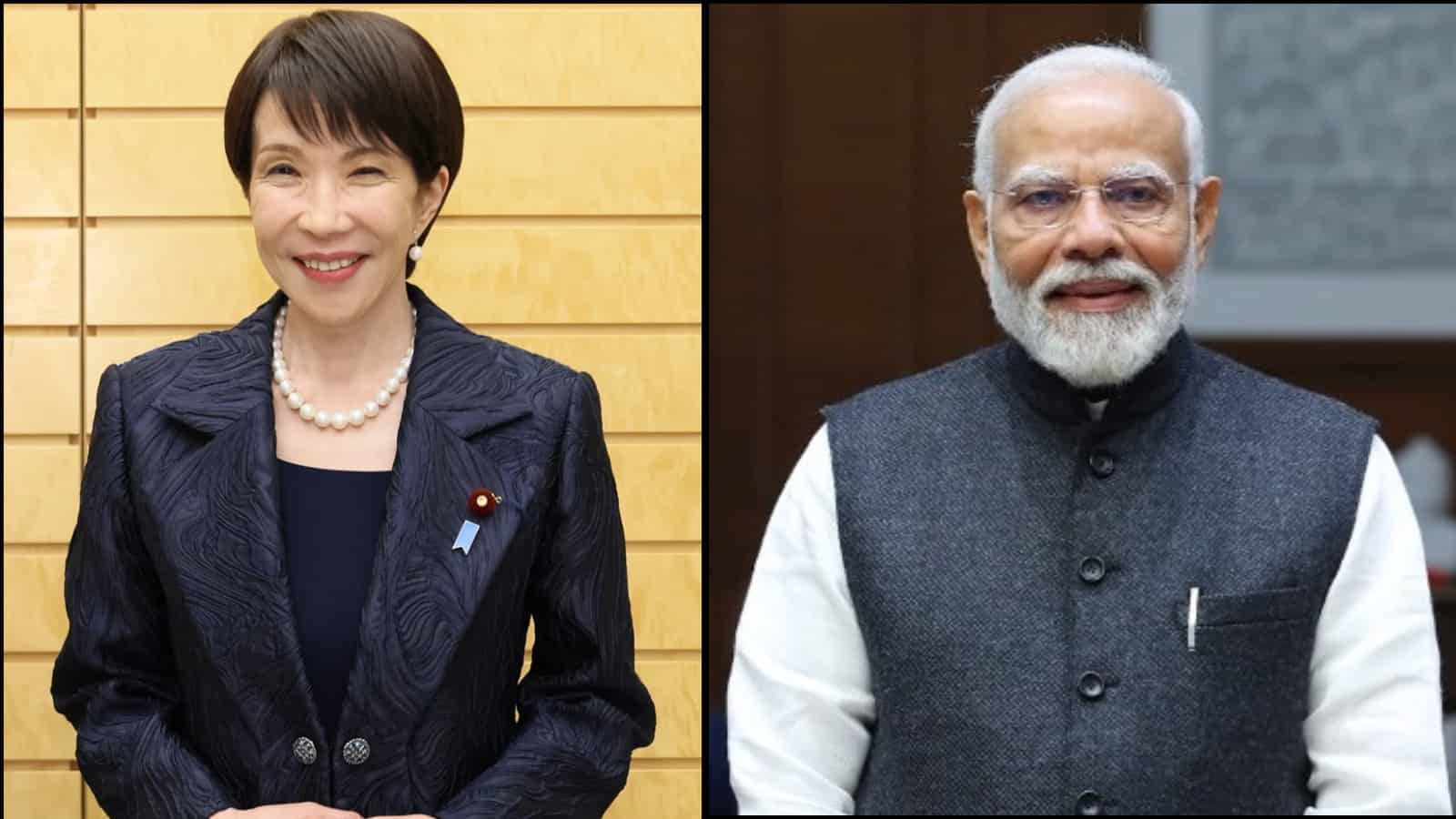
Japanese Prime Minister Sanae Takaichi is scheduled to visit Assam, India, in early July 2026 for a high-profile summit with Prime Minister Narendra Modi. Accompanied by over 50 prominent Japanese corporate leaders, including Suzuki Motor President Toshihiro Suzuki, the historic delegation aims to accelerate economic, semiconductor, and strategic infrastructure cooperation under India's Act East Policy.
GUWAHATI, India — Japanese Prime Minister Sanae Takaichi is finalized to arrive in Assam on a historic three-day official diplomatic visit starting July 1, 2026. The high-level trip features summit-level talks with Indian Prime Minister Narendra Modi, marking a pivotal expansion of the India-Japan Special Strategic and Global Partnership. Prime Minister Takaichi will be accompanied by a powerhouse business delegation comprising leaders from more than 50 major Japanese corporations and organizations, signaling a major economic push into India’s northeastern frontier.
The inclusion of high-profile corporate leaders underscores the commercial weight of the visit. Suzuki Motor President Toshihiro Suzuki alongside senior executives from trading giant Itochu Corporation will be among the prominent figures attending the business summits. This high-profile bilateral meeting represents an expansion of "shuttle diplomacy" between Tokyo and New Delhi, shifting the geographic focus of international investment directly toward the northeast region, which serves as the anchor of India's Act East Policy.
Expanding the India-Japan Strategic and Economic Corridor
The upcoming summit in Guwahati highlights Assam's rapid transition into a critical industrial and high-tech manufacturing hub. According to state administration officials, the comprehensive discussions between Prime Minister Takaichi and Prime Minister Modi will cover crucial shared priorities. These include bilateral trade expansion, supply-chain resilience, cross-border infrastructure networks, critical minerals, and clean energy security.
A major point of mutual interest during the visit is the burgeoning semiconductor manufacturing sector in the region. With the Tata Group currently developing a major semiconductor assembly and test facility in Jagiroad, Assam, Japanese electronics and component manufacturers are looking to establish localized supply integration. Japan's established leadership in electronic hardware complements India’s growing semiconductor ambitions, making the region a key node for joint technological initiatives.
Corporate Logistics and Local Preparations
The state government has mobilized high-level administrative machinery to ensure seamless execution for the massive international delegation. The political department has established 13 specialized committees and designated cabinet-level ministers to manage specific geographic zones and venues across Guwahati.
The official operational assignments include:
Transport Logistics: Transport Minister Charan Boro is supervising all structural arrangements at the Lokpriya Gopinath Bordoloi International (LGBI) Airport.
Cultural Corridor: Cultural Affairs Minister Bimal Borah and Agriculture Minister Pijush Hazarika are coordinating a four-kilometer cultural welcome route from the airport.
Infrastructure Management: Health Minister Ashok Singhal and Tourism Minister Ajanta Neog are overseeing urban beautification, civic coordination, and riverbank illumination near the Brahmaputra Heritage Centre.
Official Sources Section
The framework and scheduling of the bilateral event have been confirmed through multiple formal channels. The Assam State Government Political Department issued an official notification outlining ministerial responsibilities and security deployments for the July 1 visit.
Additionally, corporate disclosures and media releases from Tokyo, tracked via the Tokyo Stock Exchange ticker filings for Itochu Corporation (TYO: 8001) and Suzuki Motor Corporation (TYO: 7269), confirm the participation of senior executive boards in the traveling industrial delegation.
Executive Statements
"According to officials from the Chief Minister's office, the selection of Guwahati as the venue for this prime ministerial summit emphasizes the state's growing geopolitical importance and its strategic value under the national Act East framework."
"Organizers stated that the corporate presence from over 50 leading firms represents the largest single-focused Japanese business delegation to visit Northeast India in regional history, aiming to sign several memoranda of understanding in green energy and automotive parts manufacturing."
Why It Matters: Practical Implications
For global investors and regional businesses, this visit signals a major diversification of Japanese capital away from saturated manufacturing zones in western and southern India. The presence of Suzuki Motor suggests prospective expansions in local logistics networks, while trading firms like Itochu look to secure supply routes connecting Northeast India to Southeast Asian markets via Myanmar and Bangladesh. For local citizens, the influx of foreign direct investment is expected to generate high-skill employment opportunities in engineering, electronics, and construction infrastructure over the next decade.
Key Facts at a Glance
Official Date: The three-day state visit is scheduled to commence on July 1, 2026.
Delegation Scale: Over 50 premier Japanese enterprises and trade organizations are participating.
Key Executives: Prominent attendees include Suzuki Motor President Toshihiro Suzuki and senior directors from Itochu Corporation.
Core Agenda: Bilateral talks will focus heavily on semiconductor collaboration, infrastructure projects, and critical mineral supply chains.
Regional Anchor: The summit solidifies Assam's strategic role within India's overarching Act East Policy framework.
Frequently Asked Questions
Why is the Japan-India summit being held in Assam instead of New Delhi?
Holding the summit in Guwahati highlights the strategic importance of Northeast India under the Act East Policy. It directly showcases the region’s potential as an industrial hub and gateway to Southeast Asia, particularly following recent investments in semiconductor manufacturing.
Which major companies are participating in the Japanese delegation?
The delegation features executives from more than 50 organizations, highlighted by Suzuki Motor Corporation and Itochu Corporation, focusing on automotive, manufacturing, logistics, and technology sectors.
What are the primary sectors targeted for economic cooperation?
Key focus areas include semiconductor assembly, supply chain resilience, strategic infrastructure development, critical minerals, and renewable energy technologies.
Source: Assam State Government Political Department, Suzuki Motor Corporation Investor Relations, Itochu Corporation Corporate Communications, Ministry of External Affairs India.