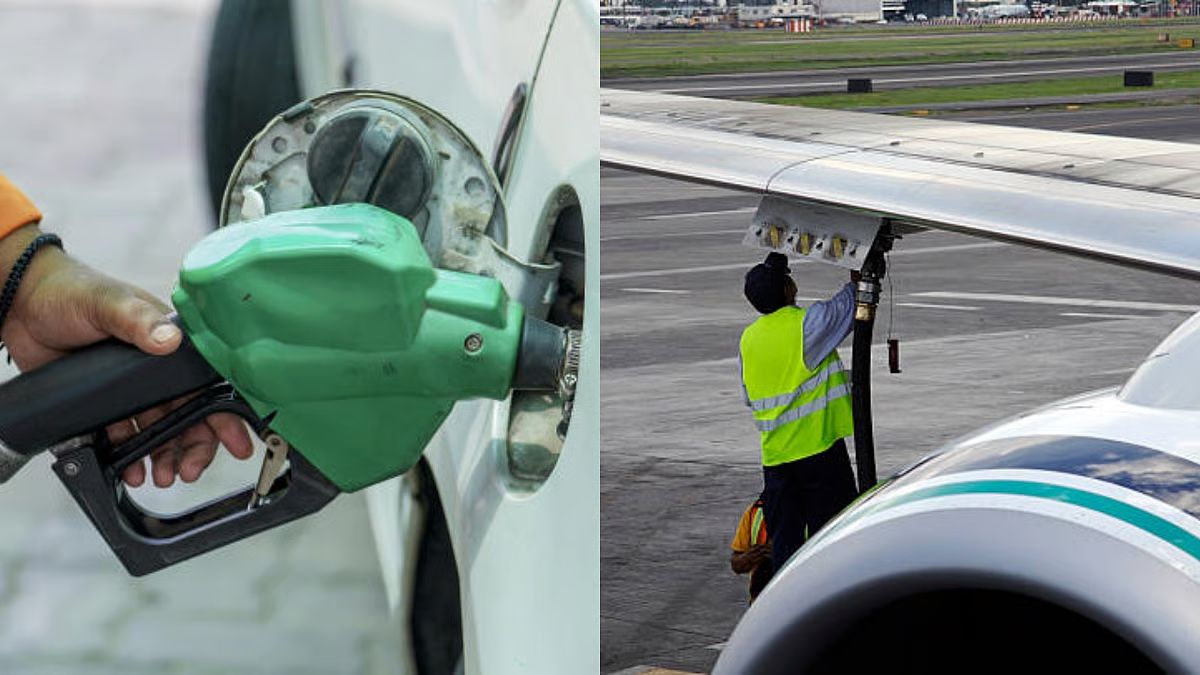
The Indian government has raised the windfall export tax on diesel to ₹14 per litre and aviation turbine fuel to ₹12.5 per litre, effective June 16, 2026. Designed to counter energy supply disruptions from West Asia tensions, the move ensures stable domestic fuel volumes without affecting local retail pump prices.
NEW DELHI — In a major regulatory intervention driven by escalating geopolitical tensions across West Asia, the Government of India has formally increased the special additional excise duty (SAED) on outbound shipments of high-speed diesel and aviation turbine fuel (ATF). According to a statutory gazette notification released by the Ministry of Finance late Monday night, the export levy on diesel has been raised to ₹14 per litre, up from ₹13.5 per litre. Concurrently, the windfall tax on jet fuel exports experienced a sharper 31.6 percent spike, jumping from ₹9.5 per litre to ₹12.5 per litre for the current fortnightly processing block.
The immediate implementation of these revised export tariffs carries critical strategic importance today. As widening military hostilities in the Middle East disrupt vital maritime shipping lanes, New Delhi is taking proactive measures to prevent domestic oil refiners from prioritizing more lucrative overseas markets. By implementing these strict fiscal penalties, the government aims to guarantee a steady, uncompromised supply of essential petroleum assets for domestic consumers, industrial transport networks, and commercial aviation operators alike.
Insulating the Domestic Economy from Transnational Shocks
The updated regulatory parameters, compiled under the oversight of the Central Board of Indirect Taxes and Customs (CBIC), represent a calculated reversal of the brief tax relief provided during the early June review. In contrast to the upward pressure placed on diesel and aviation fuel, the export duty on petrol remains fixed at a minimal baseline rate of ₹1.5 per litre.
Crucially, the Department of Revenue clarified that all domestic excise duties levied on refined fuels sold directly at local retail stations remain entirely unchanged. This structural separation ensures that while international export economics are strictly managed, local retail pump prices for Indian motorists and domestic commercial transport operators will remain completely insulated from direct tax hikes.
Geopolitical Drivers and the West Asia Containment Strategy
This fiscal adjustment is tied directly to continuing naval disruptions near the Strait of Hormuz and wider West Asian shipping corridors. Even with short-term diplomatic fluctuations impacting Brent crude futures—which hovered around $83.42 per barrel following initial reports of localized U.S.-Iran negotiations—the persistent threat of sudden logistics blockades has forced global energy markets to retain a high risk premium.
The windfall tax framework was first reintroduced on March 26, 2026, when diesel export penalties peaked at ₹21.5 per litre. The ongoing implementation of these export boundaries is intended to capture extraordinary refinery margins earned by corporate oil producers from elevated global fuel costs, redistributing those windfall gains to reinforce national energy security goals.
Official Governance and Compliance Sector
The operational mandates, historical tax adjustments, product classifications, and global price tracking metrics detailed in this national update are derived directly from statutory notifications issued by the Ministry of Finance and official trade advisories managed by the Ministry of Petroleum and Natural Gas.
Quote Section
"The periodic adjustment of the special additional excise duty reflects our continuing policy responsiveness to highly volatile global product cracks and refining margins," explained senior energy economists during a regional trade advisory loop. "According to officials, these measures are calibrated to disincentivize private refiners from starving the domestic retail market during phases of intense overseas demand. Organizers stated that the government will continue to run these objective, data-driven reviews every fortnight to strike a balance between commercial export potential and absolute domestic energy autonomy."
Why It Matters
For corporate energy conglomerates and public sector refining units, the revised tariff structure changes immediate export profitability models. Private sector refiners will face narrowed margins on fuel shipments destined for high-demand European and Asian distribution centers.
For the average citizen, domestic business, and commercial airline traveler, however, the practical implications are overwhelmingly positive. By making large-scale fuel diversion less financially attractive for refiners, the policy systematically eliminates the threat of artificial regional shortages, keeping local diesel distribution steady and ensuring commercial jet fuel supplies remain highly stable across all domestic transport networks.
Key Facts at a Glance
Export Duty Hike: Special additional excise duties on diesel exports increased to ₹14 per litre, while jet fuel (ATF) duties rose to ₹12.5 per litre.
Stable Petrol Tariffs: Outbound duties on petrol remain unchanged at ₹1.5 per litre, preserving the prior fortnight's configuration.
Zero Domestic Pump Impact: The Department of Revenue confirmed that all internal levies on fuel meant for domestic consumption remain unchanged.
Geopolitical Catalyst: The tax adjustments are driven by persistent maritime shipping risks and oil supply vulnerabilities stemming from tensions in West Asia.
Strategic Oversight: The Central Board of Indirect Taxes and Customs (CBIC) continues to recalibrate these windfall tax margins on a strict fortnightly schedule.
Frequently Asked Questions (FAQ)
Will this increase in export duties cause immediate retail fuel prices to rise in India?
No. The revised windfall profit tax applies strictly to outbound fuel shipments leaving the country. Taxes and duties on fuel designated for domestic consumption have not been modified, keeping local retail pump prices stable.
Why did jet fuel (ATF) face a significantly larger tax hike than diesel?
The steep 31.6 percent increase for ATF (up by ₹3 per litre) reflects wider international refining margins and elevated global demand for aviation fuel, which was encouraging private refiners to prioritize foreign buyers.
How often does the government adjust these special additional excise duties?
The Ministry of Finance reviews international crude prices, refining margins, and domestic supply volumes every fortnight, dynamically increasing or decreasing the export duty rates based on real-time data.
Source: Official central excise gazette amendments distributed via the Ministry of Finance and oil export logs maintained by the Ministry of Petroleum and Natural Gas.