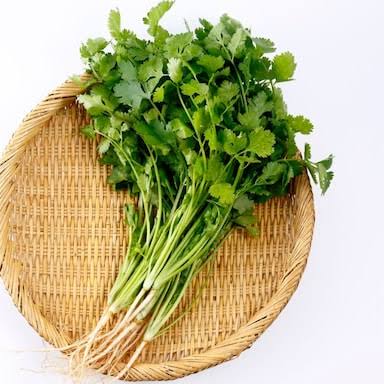
Culinary experts advocate for the use of coriander stems in cooking to minimize food waste and boost nutritional intake. Often discarded, these nutrient-dense stalks offer a more intense, robust flavor than leaves and can be repurposed into stocks, marinades, curries, and pastes, supporting a more sustainable, "root-to-stem" approach to food preparation
MUMBAI — As global efforts to reduce kitchen waste intensify, culinary experts and sustainability advocates are calling for a shift in how households process fresh produce. A growing body of research and expert guidance highlights that coriander stems, frequently relegated to the bin by home cooks, contain a higher concentration of flavor and essential nutrients than the leaves themselves.
The trend toward "root-to-stem" cooking aims to address the common practice of discarding parts of vegetables and herbs that are deemed less aesthetically pleasing but are nonetheless nutritionally dense. According to food researchers, utilizing the entire coriander plant helps maximize the utility of every purchase, contributing to more sustainable household consumption patterns.
The Case for Utilizing Coriander Stems
While coriander leaves are widely celebrated as a garnish or flavor enhancer in cuisines ranging from Indian to Mexican, the stems often face disposal. However, culinary analysts emphasize that the stems possess a more intense, robust flavor profile.
"Coriander stems have a stronger, more intense flavor than the leaves," note industry observers, adding that the fibrous stalks are packed with essential vitamins and minerals. Because the stems hold up better under heat, they are better suited for the early stages of cooking—such as being sautéed as a base for curries or stews—whereas leaves are typically added at the end to preserve their delicate aroma and color.
Practical Culinary Applications
Sustainability advocates suggest several methods for integrating coriander stems into daily meal preparation:
Flavor Bases: Finely chopped stems can be sautéed with onions, garlic, and ginger to form a aromatic foundation for gravies, stir-fries, and curries.
Stocks and Broths: Whole or crushed stems can be simmered in vegetable or meat stocks to infuse the liquid with a deep, herbaceous depth.
Marinades and Dips: Blending the stems into pastes provides a concentrated burst of flavor for marinades used on paneer, chicken, or meat.
Tadka Infusions: Adding finely diced stems to the tempering (tadka) of oils and spices creates a heightened layer of flavor for dals and vegetable dishes.
Green Pastes: The stems are an ideal ingredient for green chutneys and pestos, offering both body and a vibrant, fresh profile.
Impact on Household Sustainability
Beyond flavor, the initiative to utilize the entire plant has practical implications for food security and environmental conservation. By reducing the volume of organic waste sent to landfills, households can contribute to lower methane emissions—a potent greenhouse gas—while also getting more value from their grocery budget.
According to agricultural data, coriander is a hardy annual that is rich in fiber, vitamin C, and vitamin A. By discarding the stems, consumers essentially waste a significant portion of these dietary benefits. Furthermore, experts note that stems are equally effective for home-composting systems, such as vermicomposting, should they not be used in cooking.
Key Facts at a Glance
Nutritional Density: Coriander stems contain concentrated levels of essential vitamins, minerals, and antioxidants comparable to, and often stronger than, the leaves.
Waste Reduction: Adopting "root-to-stem" practices decreases the volume of kitchen scraps, supporting broader food waste reduction goals.
Versatility: Unlike the leaves, which wilt quickly under high heat, stems are robust enough to withstand long cooking times in broths, soups, and curry bases.
Optimal Storage: To maintain freshness, it is recommended to keep stems in a glass of water in the refrigerator, similar to a bouquet of flowers.
FAQ
Are there parts of the coriander plant that should not be eaten?
Generally, the entire plant—leaves, stems, and roots—is edible. The roots, after being thoroughly washed to remove soil, are widely used in Southeast Asian cooking to provide an earthy, pungent base for spice pastes.
How does cooking with stems change the flavor of a dish?
Stems provide a more concentrated, "punchy" version of the herb's signature citrusy flavor. They add both structural depth and a subtle crunch when used in fresh preparations like salsas.
What is the best way to store coriander to ensure all parts are used?
Keep the coriander upright in a glass with an inch of water in the refrigerator, covering the leaves loosely with a bag to retain moisture without encouraging decay.
Why shouldn't I just compost the stems?
While composting is an excellent, sustainable practice, utilizing the stems in cooking provides immediate nutritional and economic value. If they are not used for food, however, they are highly suitable for vermicomposting due to their soft composition.
Source:
NDTV Food, Slurrp, Appropedia, Nu Products Seasoning Company, FoodiesOnly, HealthifyMe, PharmEasy