While spinach is a common recommendation, nutritionists highlight that seeds like halim and sesame, along with legumes like soybeans, offer superior iron density. By pairing these foods with Vitamin C and using traditional cooking methods like cast-iron cookware, Indians can better combat widespread iron deficiency anemia.
MUMBAI — For decades, spinach has held a reputation as the primary solution for iron deficiency, yet dietary experts are now highlighting a broader array of Indian foods that provide a more potent nutritional boost. As India continues to tackle high rates of anemia, particularly among women and children, nutritionists are urging a shift toward more diverse plant-based sources that often exceed the iron content found in leafy greens.
Beyond the Leaf: High-Iron Alternatives
While spinach remains a valuable source of non-heme iron—typically providing about 2.7 mg per 100 grams—several other ingredients found in Indian kitchens offer higher density. Nutritionists emphasize that the key to managing hemoglobin levels effectively lies in incorporating a wider variety of pulses, seeds, and specialized greens that are often overlooked in daily meal planning.
“It is a common misconception that spinach is the ‘ultimate’ iron source,” noted a lead clinical nutritionist. “While it is excellent, other ingredients like garden cress seeds, legumes, and certain millets provide far greater mineral density per serving.”
Top Iron-Rich Foods in the Indian Diet
Based on nutritional analyses, here are seven Indian food items that rank high for their iron content:
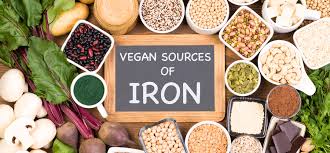
Halim (Garden Cress) Seeds: Among the most concentrated plant-based iron sources, these seeds are often used in traditional Indian medicine to support hemoglobin production.
Soybeans: Providing approximately 8.3 mg of iron per 100 grams, soybeans are a powerhouse of both protein and iron.
Black Sesame Seeds (Kala Til): These small seeds are exceptionally dense, with 100 grams containing roughly 14 mg of iron, making them an efficient addition to daily diets.
Moringa (Drumstick) Leaves: Often cited as a nutritional powerhouse, moringa leaves are significantly higher in iron than many other common leafy vegetables.
Lentils and Legumes: Varieties such as masoor dal and chickpeas are foundational to Indian diets, offering a reliable, sustained source of non-heme iron.
Dried Dates: High in both fiber and iron, dark-colored dried dates offer a natural, nutrient-dense sweet alternative to refined sugars.
Pumpkin Seeds: A convenient, iron-rich snack that also provides essential magnesium and zinc, which support overall blood health.
Improving Iron Absorption
Experts clarify that the amount of iron on a plate is only part of the equation; how the body absorbs it is equally critical. Plant-based iron, known as non-heme iron, is less bioavailable than the heme iron found in meat.
“To maximize the intake from these foods, they must be paired with Vitamin C,” says nutrition consultant Dr. Aruna Sharma. “Squeezing lemon juice over a bowl of dal or including amla, bell peppers, or tomatoes in a meal can transform how efficiently the body absorbs these minerals.” Conversely, experts advise limiting the consumption of tea or coffee immediately after meals, as tannins can inhibit iron uptake.
Why It Matters
Iron deficiency anemia remains a significant public health challenge in India, with the National Family Health Survey (NFHS-5) reporting that over 50% of women in the 15–49 age group are affected. By diversifying iron sources, households can move away from relying on a single vegetable and build a more resilient nutritional strategy. For families, incorporating these ingredients—which are both affordable and culturally familiar—is a practical step toward improving long-term health outcomes.
Key Facts at a Glance
Bioavailability: Plant-based (non-heme) iron absorption is boosted by Vitamin C-rich foods.
Kitchen Habits: Cooking in cast-iron cookware can naturally increase the iron content of moist, acidic dishes.
Absorption Blockers: Tannins in tea and coffee can significantly interfere with the body's ability to absorb iron from plant sources.
Frequency: Nutritionists recommend including at least one iron-rich ingredient in every main meal.
Frequently Asked Questions
How does spinach compare to other iron-rich sources?
While spinach is nutritious, seeds like halim and sesame, and legumes like soybeans, contain higher amounts of iron per 100g compared to standard servings of spinach.
What is the best way to consume Halim seeds?
Halim seeds are most effective when soaked overnight and added to milk, smoothies, or porridge to ensure better digestion and nutrient release.
Can cooking methods change iron levels?
Yes, using cast-iron pans and avoiding overcooking vegetables helps preserve the iron content and mineral density of the final dish.
Source: Max Healthcare - Iron Rich Foods, ManipalCigna - Iron-Rich Diet Guide, NFHS-5 Data