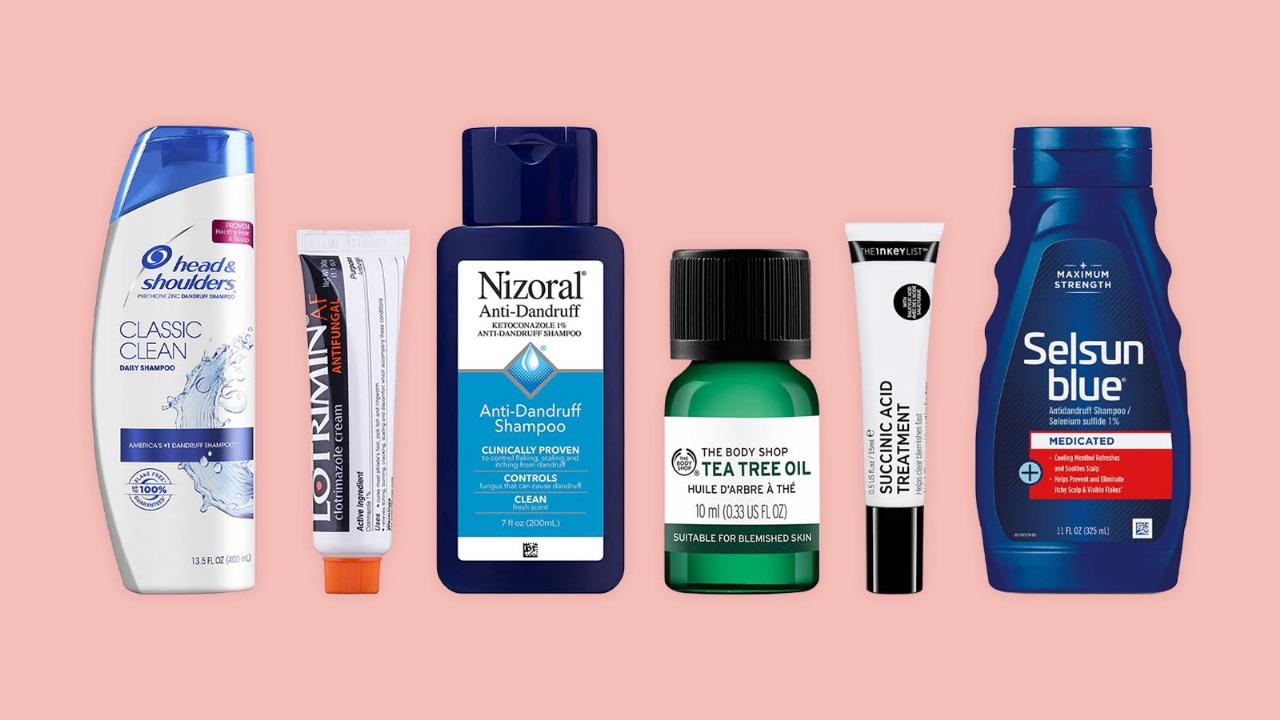
A viral skincare trend has sparked curiosity and concern as social media users experiment with using dandruff shampoo as a face wash to treat acne. The unconventional hack, popularized by content creators and influencers, claims to target fungal acne more effectively than traditional treatments....
A viral skincare trend has sparked curiosity and concern as social media users experiment with using dandruff shampoo as a face wash to treat acne. The unconventional hack, popularized by content creators and influencers, claims to target fungal acne more effectively than traditional treatments. But is it safe? And does it actually work? Dr Kunal Sood, an anesthesiology and interventional pain medicine specialist, has weighed in on the science behind the trend, offering clarity on its potential benefits and risks.
The conversation began when a video featuring content creator Darcei showed her applying Head & Shoulders shampoo to her face, prompting widespread debate. Dr Sood responded with a detailed explanation, highlighting the difference between bacterial acne and fungal acne, and why antifungal shampoos may help in specific cases.
Key Highlights From The Medical Insight
- Dandruff shampoos containing ketoconazole or selenium sulfide may help treat fungal acne
- Fungal acne is caused by yeast, not bacteria, and does not respond well to typical acne treatments
- These shampoos are sometimes used off-label as facial cleansers for short durations
- The hack is not universally safe and may cause irritation or dryness in sensitive skin types
- Dermatologist consultation is recommended before trying this method
Understanding Fungal Acne And Its Triggers
Fungal acne, also known as Malassezia folliculitis, is a skin condition caused by yeast overgrowth in hair follicles. Unlike bacterial acne, which is treated with antibiotics or salicylic acid, fungal acne requires antifungal agents to reduce yeast activity. Symptoms include small, itchy bumps that often appear on the forehead, chest, or back.
Dandruff shampoos formulated with antifungal ingredients like ketoconazole or selenium sulfide are designed to treat scalp conditions caused by similar yeast strains. When applied briefly to the skin, these ingredients may help reduce fungal activity, making them a potential off-label solution for fungal acne.
How The Hack Works And When It Might Help
1. Apply a small amount of antifungal shampoo to damp skin
2. Leave it on for 30 to 60 seconds before rinsing thoroughly
3. Limit use to once or twice a week to avoid over-drying
4. Monitor skin for signs of irritation, redness, or increased sensitivity
5. Discontinue use if adverse reactions occur and consult a dermatologist
Dr Sood emphasized that while the hack may offer temporary relief, it is not a substitute for professional diagnosis or long-term treatment. He cautioned against using regular dandruff shampoos with harsh surfactants or fragrances, which can damage the skin barrier.
Risks And Limitations Of Off-Label Use
Using dandruff shampoo on the face is not without risks. The skin on the face is thinner and more sensitive than the scalp, making it prone to irritation. Overuse can lead to dryness, flaking, and disruption of the skin’s natural microbiome. Additionally, not all acne is fungal in nature, and misdiagnosis can lead to ineffective or harmful treatment.
Dermatologists warn that self-treatment based on online trends may delay proper care and worsen symptoms. Individuals with eczema, rosacea, or sensitive skin should avoid this hack altogether. Patch testing is advised before applying any new product to the face.
Public Reaction And Expert Advice
The hack has gained traction on platforms like Instagram and TikTok, with mixed reviews from users. Some report visible improvement in skin texture, while others experience breakouts or irritation. Experts urge caution and recommend seeking medical advice before adopting unconventional skincare routines.
Dr Sood’s commentary has helped clarify the science behind the trend, encouraging informed decision-making. He reiterated that antifungal shampoos may be helpful in specific cases but should be used sparingly and under guidance.
Conclusion: A Trend With Caveats And Clinical Boundaries
While using dandruff shampoo as a face wash may offer relief for fungal acne, it is not a one-size-fits-all solution. The hack highlights the importance of understanding skin conditions and choosing treatments based on evidence, not virality. For those struggling with persistent acne, a dermatologist remains the best resource for safe and effective care.
Sources: MSN India, Hindustan Times