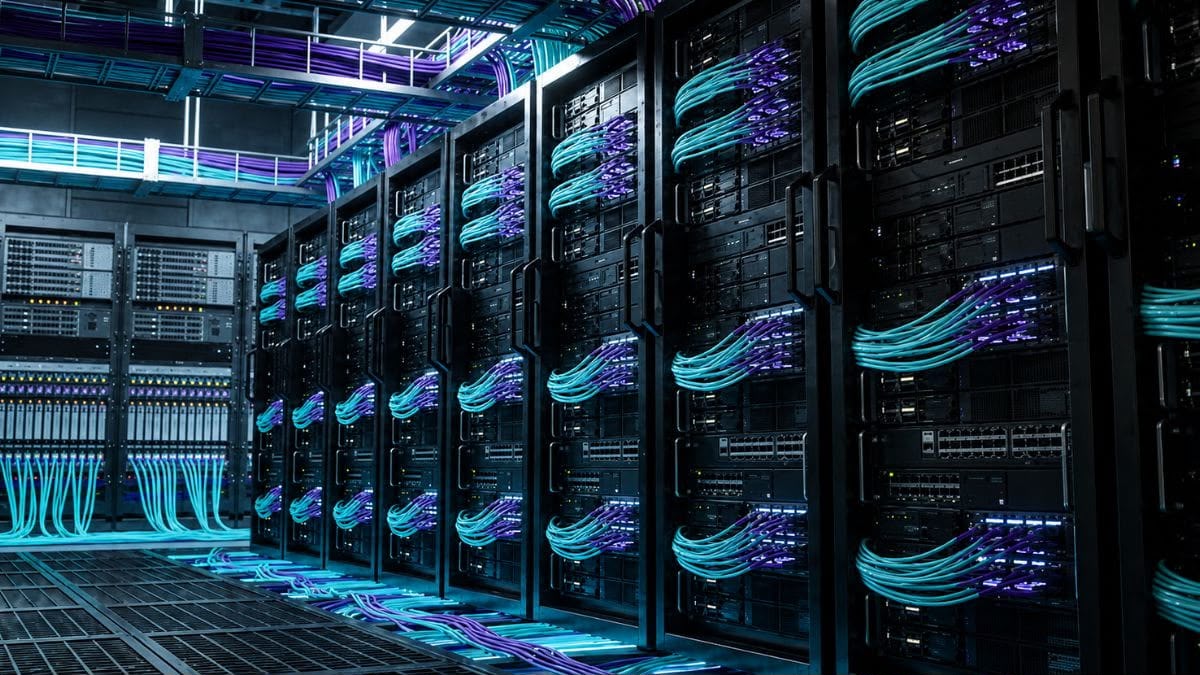
Indian states, led by Karnataka, Maharashtra, and Telangana, are overhauling data center policies to mandate renewable energy use and water efficiency. As infrastructure projects expand, these measures aim to decouple digital growth from resource strain, ensuring that future data center investment aligns with national sustainability and ESG goals.
Indian states are recalibrating their data center policies to prioritize renewable energy and water efficiency as the sector faces rapid infrastructure expansion.
NEW DELHI — As India solidifies its position as a burgeoning global hub for digital infrastructure, several states have begun overhauling their investment policies to address the critical resource demands of data centers. Governments in Karnataka, Maharashtra, and Telangana are shifting their focus from simple real estate incentives to infrastructure mandates that emphasize power availability, water conservation, and long-term sustainability.
The pivot follows a surge in hyperscale data center projects across the country, which have faced increasing scrutiny due to their high electricity consumption and water-intensive cooling requirements. By tightening regulations and providing fresh incentives for "green" infrastructure, states are looking to ensure that the rapid growth of the digital economy does not compromise local energy grids or environmental safety.
Prioritizing Sustainable Infrastructure
Policy revisions announced by state IT departments this month reflect a coordinated move toward sustainable growth. Karnataka’s updated data center policy, for instance, now mandates that new facilities source at least 40% of their power requirements from renewable energy providers by 2028. Similarly, Maharashtra has introduced a new "Water Neutrality Credit" scheme, which incentivizes developers to implement advanced water-recycling and liquid-cooling technologies.
According to the Ministry of Electronics and Information Technology (MeitY), these state-led initiatives align with national goals to manage the environmental footprint of the expanding digital sector. The federal government has encouraged states to treat data centers as "infrastructure status" assets, which streamlines access to industrial-grade power tariffs while placing the onus on developers to maintain carbon-neutral operations.
Managing the Resource Strain
Data centers are among the most power-hungry facilities in the modern industrial landscape. For local authorities, the challenge is balancing the economic benefits of high-tech investment—which attracts billions in foreign direct investment (FDI)—with the needs of domestic consumers and agricultural sectors.
"According to officials," the new frameworks are designed to prevent resource bottlenecks. By requiring data centers to install onsite renewable energy capacity or engage in corporate power purchase agreements (PPAs), states aim to decouple digital growth from traditional power grid dependency. This transition is particularly critical in drought-prone regions, where the usage of water for cooling massive server banks has become a point of contention among local communities.
Impact on Industry and Investment
For investors and global cloud service providers—including major players like AWS, Microsoft, and NTT Data—these policy shifts represent a changing risk-and-compliance landscape. While the new mandates initially increase capital expenditure, industry analysts note that they offer long-term operational resilience.
Business leaders are increasingly viewing sustainability as a competitive advantage. Data centers that successfully integrate solar or wind energy and minimize their water usage are better positioned to meet the Environmental, Social, and Governance (ESG) criteria required by global institutional investors. Consequently, the focus on sustainability is becoming a key differentiator in where companies choose to site their next data center investment project.
Key Facts at a Glance
Policy Pivot: States are moving from generic incentives to specific requirements for renewable energy and water efficiency.
Core Mandates: New targets for renewable power consumption and incentivized adoption of advanced liquid-cooling systems.
Resource Management: Focus on reducing dependence on municipal water supplies through recycling and closed-loop systems.
Status: Data centers in key states are increasingly classified as core infrastructure to facilitate energy grid integration.
FAQ
Why are states changing their data center policies?
States are updating policies to manage the high electricity and water usage associated with data centers, ensuring that the growth of digital infrastructure is sustainable for local grids and resources.
How does this affect current data center investment?
Existing investors must align their expansion plans with new ESG-focused regulations, which may require additional investment in renewable energy or water-saving technology.
What is the status of data centers in India?
India's data center capacity is expanding rapidly, with states like Maharashtra, Telangana, and Karnataka leading in investment, now supported by policies that prioritize long-term sustainability.
Source: Ministry of Electronics and Information Technology (MeitY), Invest India, Press Information Bureau