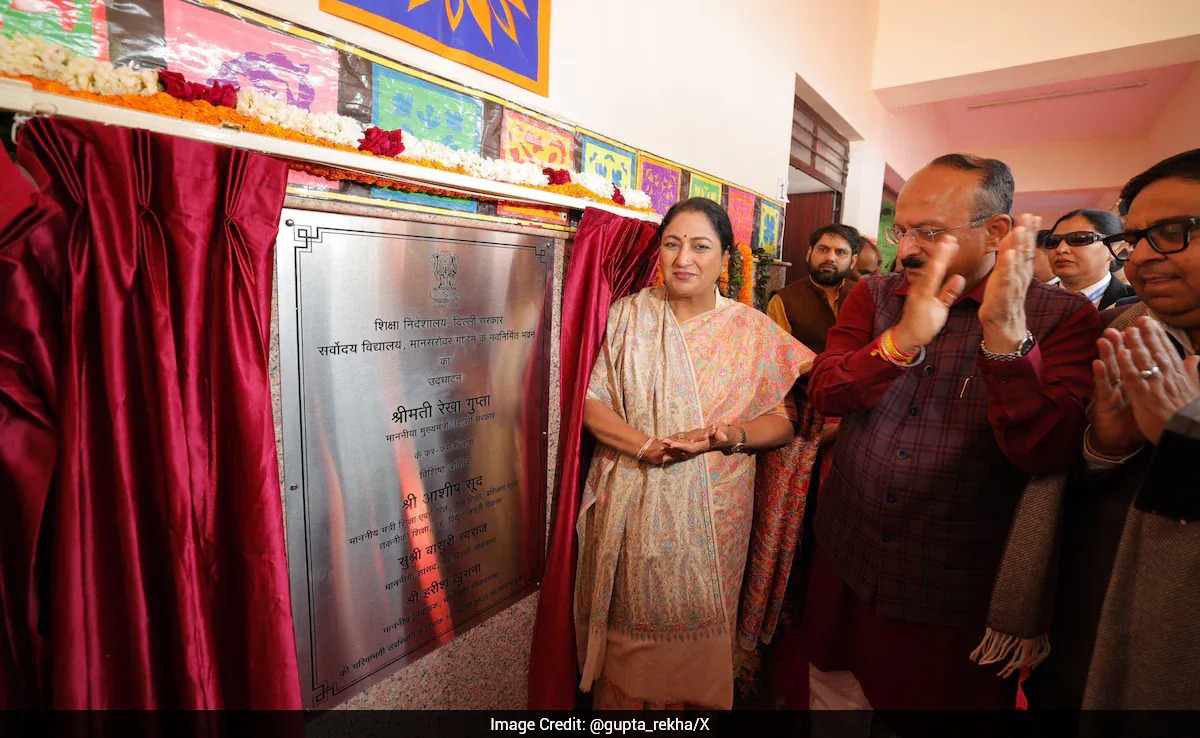
Delhi CM Rekha Gupta has launched "Mission Kayakalp," an initiative to modernize government schools through infrastructure upgrades, including building repairs, improved sanitation, and modernized labs. The project, supported by CSR and community efforts, aims to provide safer and more inclusive learning environments across several Delhi districts.
The ambitious infrastructure initiative aims to transform Delhi’s government schools into modern, safe, and inspiring learning environments.
NEW DELHI — Delhi Chief Minister Rekha Gupta has officially launched "Mission Kayakalp," a comprehensive state-led initiative designed to modernize the infrastructure of government schools across the capital. Announced in early July 2026, the program seeks to move beyond basic maintenance by creating cleaner, safer, and more technologically advanced campuses for students.
The mission focuses on addressing long-standing infrastructure deficits, including dilapidated buildings, inadequate sanitation, and poor water facilities. By integrating government resources with community and corporate support, the administration aims to establish schools that serve as model learning hubs rather than merely traditional classrooms.
Transforming Learning Environments
According to statements from the Chief Minister’s Office, Mission Kayakalp is specifically targeted at enhancing the physical conditions necessary for academic success. The program's scope is extensive, covering critical repairs such as structural waterproofing, roof drainage improvements, and the restoration of damaged walls and plaster.
Beyond structural repairs, the initiative is prioritizing:
Modernization of Facilities: Upgrading science laboratories and libraries to meet contemporary educational standards.
Sanitation and Health: Renovating toilets and installing modern sanitary fittings, RO water plants, and cooling systems.
Inclusive Design: Developing specialized facilities for children with disabilities, including the recent renovation of a sensory park in North Delhi.
Campus Aesthetics: Implementing plantation drives and high-quality exterior painting to foster a more welcoming and "inspiring" atmosphere.
A Model of Community Participation
A defining feature of Mission Kayakalp is its reliance on public-private and community collaboration. The Delhi government is executing these upgrades with the active support of district administrations, the Education Department, and various Corporate Social Responsibility (CSR) partners. Local market associations and community organizations have also played a vital role in accelerating site-specific improvements.
CM Rekha Gupta highlighted that this collective approach has allowed the project to proceed rapidly, with visible changes already documented across North, South, West, North-East, and Outer North districts. In West Delhi, for example, schools have seen significant upgrades to electrical systems and the installation of rainwater harvesting units, demonstrating a move toward sustainable campus management.
Official Sources
Information regarding the program's objectives and ongoing development has been released through official channels of the Delhi Government and the Chief Minister’s Office. Further documentation and project updates are coordinated through local district offices and the Department of Education.
Quote Section
According to officials from the Chief Minister’s Office, the objective of the project is to "transform government schools into safe, clean, modern, and inspiring learning spaces" rather than limiting them to conventional centers of education. The government maintains that the initiative is critical for ensuring every student in the capital has access to an environment conducive to holistic development.
Why It Matters
The implementation of Mission Kayakalp is significant for Delhi’s education sector as it addresses the physical barriers that often hinder student engagement. By providing reliable water, functional laboratories, and safer buildings, the government aims to reduce the disparity between public and private educational facilities, ultimately supporting better retention and academic outcomes for students in the national capital.
Key Facts at a Glance
Mission Scope: Large-scale infrastructure modernization across multiple Delhi districts.
Key Objectives: Structural repairs, sanitation improvements, and facility upgrades (labs, libraries, and accessibility).
Funding & Support: A hybrid model utilizing government funds, CSR contributions, and community participation.
Current Status: Renovations are currently completed or underway in North, South, West, North-East, and Outer North districts.
Frequently Asked Questions (FAQ)
1. What is the primary goal of Mission Kayakalp?
The goal is to modernize Delhi’s government schools, making them safer, cleaner, and more inspiring spaces for students to learn and develop.
2. Which areas of Delhi are currently covered under the mission?
Works are currently in progress or completed across North, South, West, North-East, and Outer North districts.
3. How is the program funded?
The project uses a mix of government funding, support from district administrations, and contributions from CSR initiatives, local market associations, and community groups.
4. Does the mission include facilities for students with special needs?
Yes, the initiative explicitly includes the development and renovation of facilities, such as sensory parks, specifically designed for children with special needs.
Source: