An IIT Bombay graduate made headlines by rejecting a $1 million job offer from Meta to launch a deep-tech AI startup. This decision highlights a growing trend of top Indian technical talent choosing domestic entrepreneurship to build enterprise-grade AI solutions, signaling a shift toward indigenous innovation and sovereign technology.
A former engineer’s decision to decline a million-dollar offer from Mark Zuckerberg underscores the shifting ambitions of India’s top tech talent.
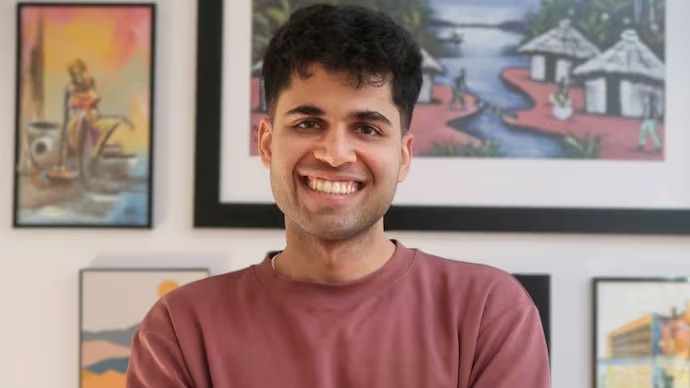
MUMBAI — An alumnus of the Indian Institute of Technology (IIT) Bombay has captured industry attention by rejecting a $1 million job offer from Meta—the parent company of Facebook—to pursue his own artificial intelligence startup. The engineer, who graduated from the prestigious institution, chose to prioritize domestic innovation over a high-profile corporate position in Silicon Valley, a move that highlights the growing trend of entrepreneurship among India’s elite technical graduates.
The founder, whose startup is now gaining traction in the competitive AI development space, cited a desire to solve complex regional problems as the primary motivation for his decision. His transition from a lucrative offer to the challenges of the startup ecosystem serves as a case study in the evolving landscape of Indian technology, where building sovereign capabilities has become an increasingly attractive alternative to global corporate employment.
The Shift Toward Domestic Entrepreneurship
The founder’s journey is emblematic of a broader shift occurring within institutions like IIT Bombay. Where once a job at a global technology giant was considered the pinnacle of a graduate’s career, the current generation is increasingly incentivized by the potential to disrupt industries through home-grown technology.
According to industry analysts, the rise of the IndiaAI Mission and the availability of venture capital for deep-tech ventures have lowered the barriers to entry for founders. The startup, which focuses on agentic AI workflows and multimodal integration, aims to address inefficiencies in large-scale enterprise environments—the same domains that attract the interest of firms like Meta and Google.
Navigating the Competitive AI Landscape
Building an AI startup from India requires significant technical infrastructure and access to compute power. By leveraging local talent pools and technical training acquired at IIT Bombay, the startup has managed to secure initial support from key investors interested in the firm's focus on "physical AI" and real-world application.
The firm’s current objective is to integrate AI into existing manufacturing and supply chain sectors, a sector that remains ripe for digital transformation. This strategic focus differentiates the company from generic AI models, allowing it to carve out a niche in a crowded global market.
Official Perspectives and Industry Context
Information regarding the startup’s growth and the founder's background has been tracked through university alumni networks and official startup registration filings. While the founder maintains a focus on product development, the move has been widely discussed as a positive indicator for India’s capability to retain technical talent.
Quote Section
According to officials within the technology incubation sector, the decision to decline a million-dollar offer in favor of entrepreneurship reflects a "maturing mindset" among India’s top technical talent. Industry leaders stated that this trend is vital for long-term economic development, as it ensures that highly skilled individuals reinvest their expertise into local innovation ecosystems.
Why It Matters
This story is significant because it highlights the growing confidence in India’s domestic tech ecosystem. For students, the realization that they can build globally competitive products from within India is transformative. For investors, it indicates that the next generation of "unicorns" is likely to emerge from founders who have opted for the risks and rewards of entrepreneurship over the relative security of multi-national employment.
Key Facts at a Glance
The Decision: An IIT Bombay graduate rejected a $1 million offer from Meta (Mark Zuckerberg’s company).
The Pivot: The founder is currently building a deep-tech startup focused on AI workflows.
Strategic Focus: The startup is targeting enterprise-level solutions in manufacturing and logistics.
Talent Retention: The move reflects a broader trend of India’s top tech graduates choosing to remain in the country to pursue entrepreneurship.
Frequently Asked Questions (FAQ)
1. What does the startup build?
The startup focuses on building agentic AI and multimodal workflows specifically designed for enterprise applications, such as manufacturing and supply chain optimization.
2. Why did the founder reject the Meta job?
The founder prioritized building sovereign technological capabilities and solving complex, real-world problems in the Indian market over the stability of a large corporate role.
3. Is this a common trend at IITs?
Increasingly, yes. Data from incubation cells at institutes like IIT Bombay indicates a steady rise in graduates opting for entrepreneurship immediately after completion of their studies.
4. Where can I track the startup's growth?
Updates on the startup’s progress and technical milestones can be monitored via official updates on Startup India.
Source: