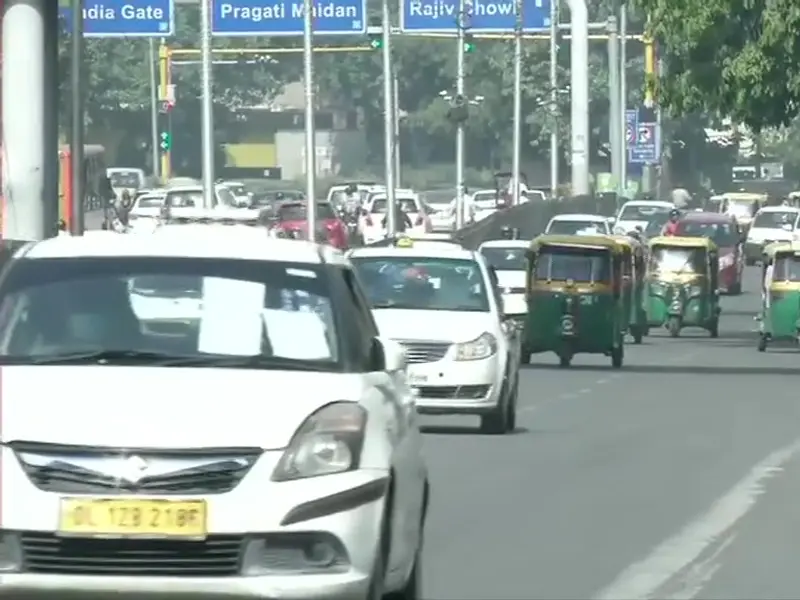
Torrential rainfall hit Delhi-NCR on August 7, 2026, causing widespread waterlogging and severe gridlock along key corridors like ITO, MB Road, and NH-48. The IMD issued a red alert as public transit slowed and cab fares surged up to three times normal prices, leaving thousands stranded.
NEW DELHI — Heavy monsoon downpours battered the National Capital Region (NCR) on August 7, 2026, causing widespread waterlogging, gridlocking major traffic corridors, and bringing public transit and ride-hailing services to a virtual standstill. The India Meteorological Department (IMD) issued a red alert for Delhi and neighbouring urban centers as key arterial routes transformed into waterlogged stretches, forcing vehicles to crawl through submerged roads and stranding thousands of daily commuters during peak hours.
Heavy Rain Paralyzes Key NCR Transit Corridors
Relentless precipitation recorded across the capital—reaching over 110 mm in south Delhi areas like Pushp Vihar—inundated primary roadways connecting Delhi, Gurugram, Noida, and Ghaziabad. Key traffic bottlenecks were reported at the Mehrauli-Badarpur (MB) Road, ITO junction, Mahipalpur T-Point, Dhaula Kuan, and the Delhi-Jaipur Highway (NH-48).
In low-lying sections such as MB Road near the Air Force Station and Mahipalpur, water levels reached knee-to-waist height, stalling two-wheelers and passenger buses. Traffic control authorities issued emergency travel advisories, warning citizens to avoid non-essential travel as vehicle movement plummeted to a snail's pace across major intersections.
Ride-Hailing Fares Spike Amid Driver Shortages
App-based ride services experienced severe operational disruptions throughout the day. Demand for dynamic pricing platforms like Uber, Ola, and Rapido surged dramatically while available driver supply shrank due to flooded streets and risk of vehicle damage.
Surge Pricing: Commuters reported fare hikes of 100% to 300% on standard routes, with short intra-city trips spiking to unprecedented levels.
Mass Cancellations: Drivers routinely declined rides to heavily inundated zones such as AIIMS, Ring Road, and Sector 62 Noida.
Last-Mile Breakdown: Last-mile connections through auto-rickshaws and e-rickshaws broke down completely due to submerged potholes and open drain hazards.
Municipal Response and Political Backlash
Municipal authorities and Public Works Department (PWD) teams were deployed with mobile de-watering pumps to clear critical bottlenecks including Minto Road Bridge and the Tilak Bridge underpasses. According to civic body statements, emergency control centers received dozens of distress calls detailing severe water accumulation, uprooted trees, and localized power outages.
The widespread urban disruption reignited political debates over municipal preparedness. Opposition leaders criticized civic administration over inadequate pre-monsoon drain desilting, while city officials maintained that record hourly rainfall overwhelmed urban drainage capacities despite active pump deployments.
Official Sources Section
According to official announcements from the India Meteorological Department (IMD), the Public Works Department (PWD), and the Delhi Traffic Police, emergency response teams remain stationed at vulnerable low-lying intersections. Municipal authorities confirmed that clearing drainage channels remains an active priority across all municipal zones.
Quote Section
According to officials from the traffic control department, "Commuters are advised to plan their journeys using designated diversion routes and monitor official weather advisories. Maintenance crews are working in coordination with municipal bodies to clear waterlogged arteries and restore normal traffic flow as quickly as possible."
Why It Matters
The disruption highlights persistent vulnerabilities in urban infrastructure, where brief spells of heavy rainfall disrupt livelihoods, strain public transport systems, and impose steep indirect costs on daily workers through inflated transportation fares and lost productivity.
Key Facts at a Glance
Alert Level: IMD issued a red alert for Delhi-NCR following heavy localized downpours.
Worst-Hit Zones: MB Road, ITO, Mahipalpur, Ring Road, and NH-48 faced severe traffic gridlocks.
Commute Impact: App-cab services recorded surge pricing up to three times normal rates along with widespread ride cancellations.
Civic Action: PWD deployed high-capacity de-watering pumps and emergency clearing units across critical underpasses.
Frequently Asked Questions
Which major roads in Delhi-NCR were most affected by waterlogging?
The worst-affected stretches included the Mehrauli-Badarpur Road, Mahipalpur T-Point towards the airport, ITO, Dhaula Kuan, Vikas Marg, and sections of the Delhi-Jaipur Highway (NH-48).
Why did cab and auto fares surge so drastically during the rain?
App-based cab fares spiked due to dynamic pricing algorithms triggered by extreme user demand paired with a sharp decrease in active drivers willing to navigate flooded roads.
What official steps are being taken to clear the flooded areas?
The Public Works Department (PWD) and Municipal Corporation of Delhi (MCD) deployed mobile pumping units, cleared uprooted trees, and positioned emergency traffic police details to manage key junctions.
Source: India Meteorological Department (IMD), Delhi Traffic Police, Public Works Department (PWD), Municipal Corporation of Delhi (MCD).