Filmmaker Vishal Bhardwaj confirmed plans to make a Rashomon-style film based on the Tarun Tejpal rape case following the Bombay High Court's 10-year conviction verdict. The film will explore conflicting judicial perspectives and trial records to present a multi-angle narrative on the landmark trial.
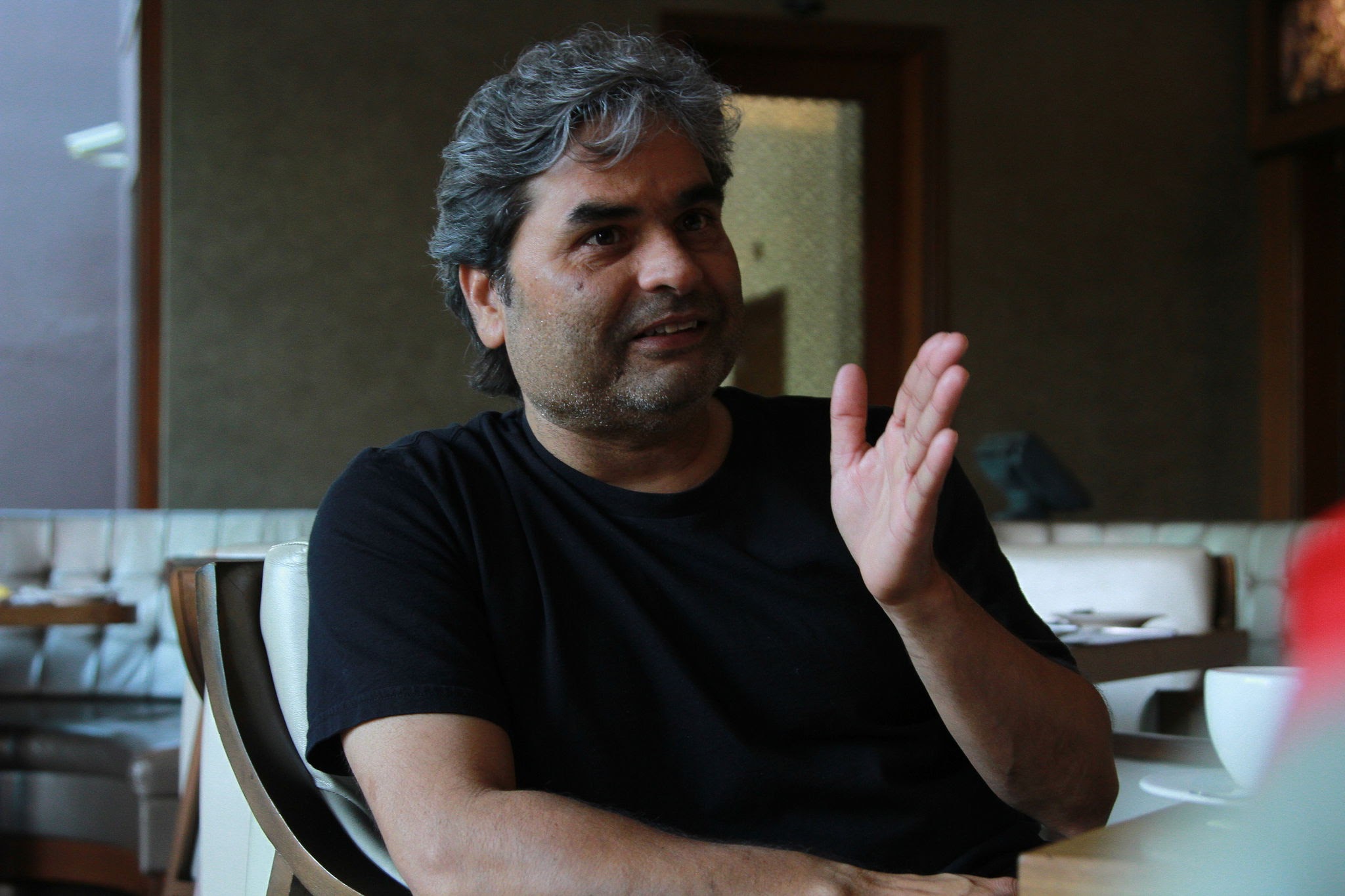
MUMBAI — National Award-winning filmmaker Vishal Bhardwaj has confirmed that he is developing a cinematic feature inspired by the long-running Tarun Tejpal sexual assault case, opting for a non-linear, multi-perspective narrative structure. The announcement comes shortly after the Goa bench of the Bombay High Court overturned the former Tehelka editor's 2021 acquittal and sentenced him to 10 years of rigorous imprisonment. Bhardwaj stated that the stark divergence between the session court’s initial exoneration and the High Court’s subsequent conviction serves as the creative catalyst for examining the legal and societal dimensions of the case through a "Rashomon-style" framework.
Creative Vision and the Rashomon Narrative Structure
Bhardwaj disclosed that his decision to approach the project was sparked by studying the contrasting judicial interpretations within the extensive trial and appellate court records. The "Rashomon effect"—named after Akira Kurosawa’s 1950 cinematic masterpiece—presents a single event through multiple, conflicting personal accounts without forcing a single subjective view onto the audience.
The director previously utilized a similar multi-perspective investigative structure in his 2015 writing project Talvar, which explored the 2008 Noida double murder case. In developing this new project, Bhardwaj emphasized that he has reviewed the 500-plus-page court documents repeatedly to capture the procedural nuances and evidentiary interpretations. He expressed a desire to remain a dispassionate observer, allowing the audience to engage directly with the legal complexities and differing viewpoints surrounding the incident.
Judicial Background of the 2013 Goa Incident
The legal proceedings stem from a November 2013 incident during an annual news organization conference at a five-star hotel in Goa, where a junior colleague accused Tarun Tejpal of sexual assault inside an elevator. Following an official investigation by Goa Police, Tejpal was charged under multiple provisions of the Indian Penal Code, including Section 376 (rape), Section 354A (sexual harassment), and Section 342 (wrongful confinement).
In May 2021, a fast-track sessions court in Goa acquitted Tejpal, citing procedural inconsistencies and granting him the benefit of the doubt. However, the State of Goa filed an appeal before the High Court. On August 6, 2026, a division bench of the Bombay High Court at Goa set aside the trial court ruling, finding Tejpal guilty on all primary counts and sentencing him to 10 years in prison. Legal representatives for Tejpal have indicated that an appeal will be submitted to the Supreme Court of India.
Production Details and Casting Approach
The upcoming feature is being co-produced by Vishal Bhardwaj Pictures in collaboration with a major Indian film studio. While formal casting announcements have not been made, Bhardwaj noted that he intends to cast actors who can approach the central roles without preconceived biases regarding the real-life trials.
Rather than focusing solely on tabloid headlines, the screenplay aims to highlight broader questions regarding institutional accountability, workplace power dynamics, legal procedure, and the nature of evidence in criminal jurisprudence.
Impact on Cinema, Media, and Legal Discourse
The announcement of a film centered on one of India's most prominent media industry trials carries notable implications for the film industry, journalism, and public understanding of legal processes:
For Film Audiences: The project marks a return to investigative cinema that prioritizes procedural realism over dramatized courtroom tropes.
For Legal and Media Analysts: Exploring a 500-page court judgment on screen highlights how appellate courts re-examine witness testimonies, electronic evidence, and trial court conclusions.
For the Entertainment Industry: The film reflects a growing trend of adapting high-profile Indian legal precedents into critically focused investigative features.
Official Sources Section
According to official press interviews granted by filmmaker Vishal Bhardwaj to trade disclosures and news agencies including Variety and Press Trust of India, preliminary script development and legal document analysis are underway. Case facts and conviction details are documented in the official judgment of the Goa bench of the Bombay High Court under Criminal Appeal No. 12 of 2021.
Quote Section
"The contradiction between the two judgments makes it a perfect case for a Rashomon-style narrative," stated director Vishal Bhardwaj during an official media interaction. "There are a lot of facts and incidents in this case that nobody knows about, and people will be amused and surprised to discover them on screen."
Why It Matters
Cinematic adaptations of landmark legal cases bring complex legal proceedings and institutional protocols to broader public awareness. By utilizing a multi-perspective Rashomon framework, the project seeks to analyze how differing judicial interpretations, electronic records, and witness testimonies shape outcomes in high-stakes criminal trials within India's justice system.
Key Facts at a Glance
Project Concept: Vishal Bhardwaj is developing a feature film inspired by the Tarun Tejpal trial using a Rashomon-style storytelling technique.
Judicial Context: The film follows the Bombay High Court's August 2026 verdict overturning a 2021 sessions court acquittal and imposing a 10-year prison sentence.
Narrative Style: The story will present conflicting perspectives derived from court records rather than taking a singular biased stance.
Director's Record: Bhardwaj previously wrote the screenplay for the 2015 investigative film Talvar.
Frequently Asked Questions
What does a "Rashomon-style" narrative mean in filmmaking?A Rashomon-style narrative presents the same event through contradictory viewpoints of different characters, allowing the audience to analyze multiple perspectives without a single definitive narrator.
What was the recent court verdict in the Tarun Tejpal case?The Goa bench of the Bombay High Court set aside a 2021 trial court acquittal, convicting Tarun Tejpal of sexual assault under Section 376 and sentencing him to 10 years of rigorous imprisonment.
Has Vishal Bhardwaj made similar investigative films before?
Yes, Bhardwaj wrote and produced Talvar (2015), which similarly examined the conflicting police and investigative accounts of the 2008 Noida double murder case.
When will the film begin production?The film is currently in development and scriptwriting stages, with formal casting and shooting schedules yet to be officially announced by the production team.
Source: Bombay High Court (Goa Bench) Judgment Records, Official Statements by Vishal Bhardwaj (Variety/PTI), Goa Police Case Filings.