The Delhi government has launched the "Hamare Smarak, Hamara Gaurav" initiative, allowing private entities to "adopt" 75 state-protected monuments for five years. Under a PPP model, "Monument Mitras" will fund site maintenance and visitor amenities, while the government provides up to ₹2 crore in grants for essential heritage restoration projects.
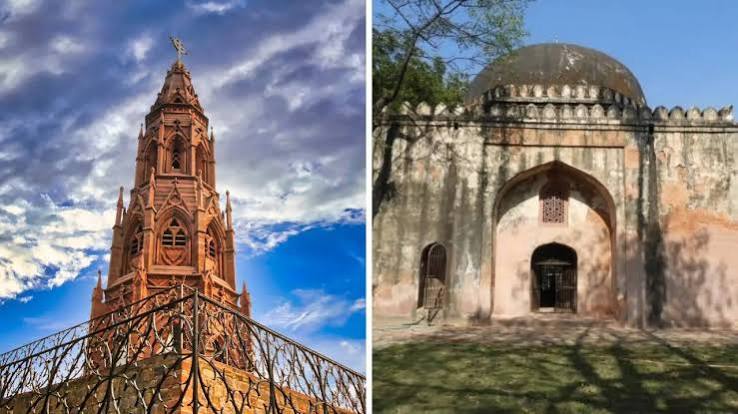
NEW DELHI — In a major push to preserve the city’s historical landscape, the Delhi Cabinet has approved two heritage conservation schemes that open 75 state-protected monuments to private adoption. Under the "Hamare Smarak, Hamara Gaurav" (Our Monuments, Our Pride) initiative, the government is inviting public sector undertakings (PSUs), private companies, NGOs, and trusts to partner in the upkeep of sites that fall outside the jurisdiction of the Archaeological Survey of India (ASI).
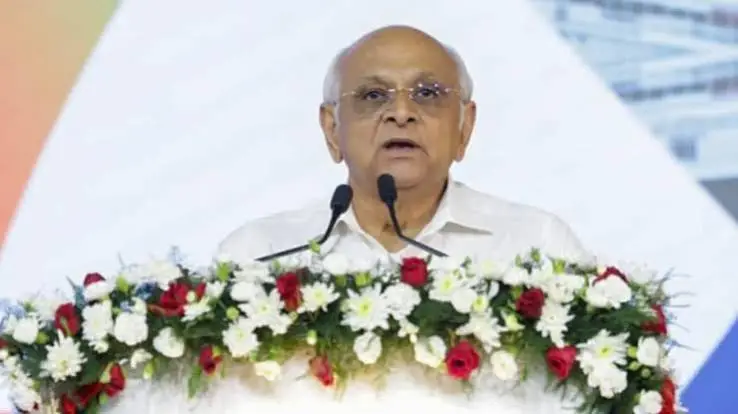
The decision, announced this week by Chief Minister Rekha Gupta, signals a strategic shift toward a public-private partnership (PPP) model to manage local heritage. By designating these partners as "Monument Mitras" (Friends of Monuments), the government intends to enhance visitor facilities and ensure the long-term structural integrity of sites such as the Dara Shikoh Library, Mirza Ghalib’s Haveli, and Malcha Mahal.
Revitalizing Delhi’s "Monument Mitras"
The two approved schemes—the Delhi Chief Minister Monument Adoption Scheme and the Grant-in-Aid to Trusts and Institutions—are designed to address long-standing challenges in heritage management, including inadequate maintenance and limited government resources.
Under the adoption program, successful applicants will enter into a five-year tripartite Memorandum of Understanding (MoU) with the Delhi government and the respective land-owning agencies. According to official guidelines, these partners are expected to:
Fund and manage visitor amenities: This includes security, cleanliness, lighting, landscaping, and the installation of light-and-sound facilities.
Reinvest revenue: Any income generated from approved events or activities held at the site must be fully reinvested into the monument’s maintenance and development. Private profit retention is strictly prohibited.
Maintain Oversight: While external partners provide operational support, the Delhi Department of Archaeology will retain overall ownership and inspection authority to ensure conservation standards are met.
Funding for Scientific Restoration
Recognizing that maintenance alone is insufficient for aging structures, the government has introduced a separate "Grant-in-Aid" scheme. This initiative provides up to ₹2 crore in financial assistance to qualified NGOs, educational institutions, and foundations for scientific conservation and structural restoration. This funding is specifically earmarked for core preservation work that requires specialized archaeological expertise.
Official Sources
Why It Matters
This initiative marks a significant departure from traditional government-only heritage management. By leveraging private funding and expertise, the Delhi government expects to save approximately ₹4.5 lakh per monument annually in maintenance costs. For citizens and tourists, this shift promises improved accessibility, better-maintained public spaces, and the potential for these sites to become vibrant cultural hubs.
Key Facts at a Glance
Scope: The scheme covers 75 monuments protected under the Delhi Ancient and Historical Monuments and Archaeological Sites and Remains Act, 2004.
Partnership Model: Adopters, or "Monument Mitras," are committed to a five-year maintenance cycle via a tripartite agreement.
Financial Scope: Adopters can receive up to ₹2 crore in grants for specialized conservation and restoration projects.
Ownership: The government retains full ownership of the heritage sites; the partnership is strictly for operational and developmental support.
FAQ
1. Does "adoption" mean the private company owns the monument?
No. Ownership remains entirely with the government. Adoption is limited to operational maintenance and the provision of visitor amenities for a five-year term.
2. Can an individual adopt a monument?
Yes, the scheme is open to individual citizens, alongside PSUs, private companies, NGOs, trusts, and educational institutions.
3. What is the role of a "Monument Mitra"?
A "Monument Mitra" is responsible for the daily upkeep, cleanliness, security, and enhancement of tourist facilities at their chosen site, funded through their own resources or CSR initiatives.
4. How does the government ensure the money is used correctly?
All revenue generated through activities at the site must be reinvested in the monument. The government maintains oversight through the Department of Archaeology, which monitors the site and reviews stakeholder feedback.
Source: Delhi Government Cabinet Decisions, July 2026