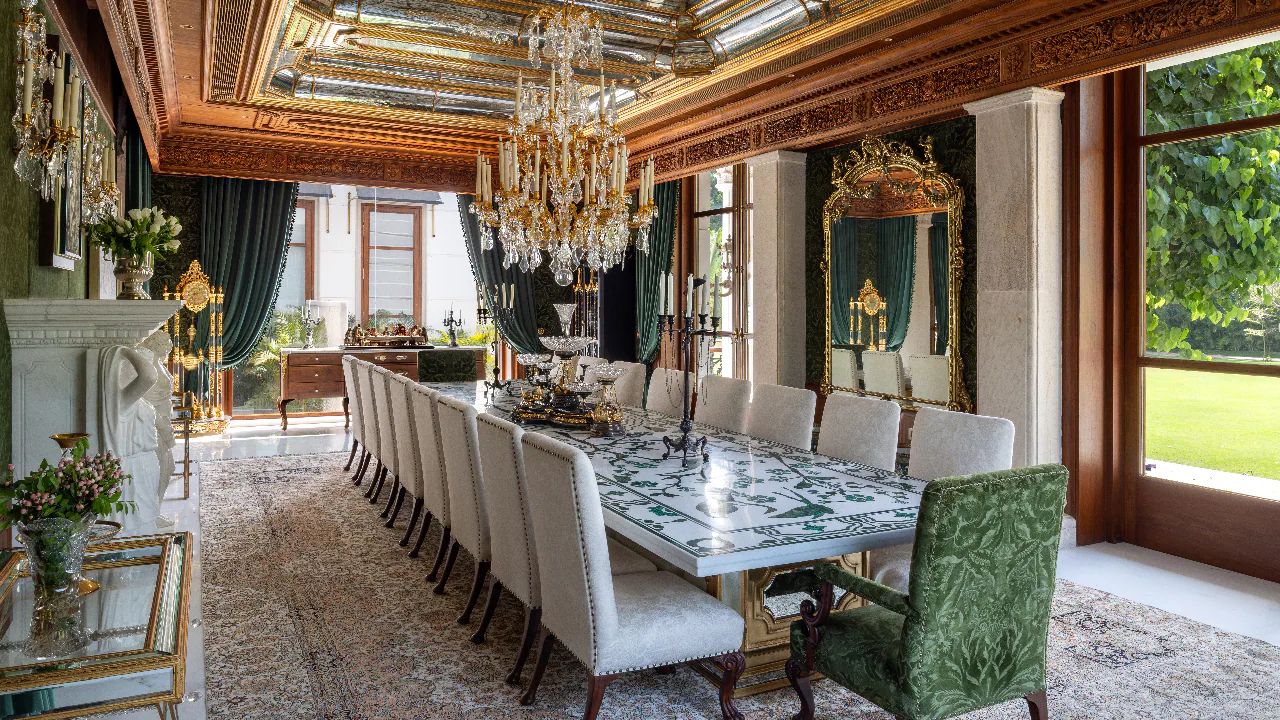
A spectacular 25,000 square feet maximalist home in New Delhi has been engineered specifically around the iconic artworks of MF Husain and FN Souza. Featuring museum-grade climate control and bold, layered interiors, the luxury estate demonstrates a growing trend of merging private residences with professional art preservation.
NEW DELHI — In the heart of the national capital region, a newly unveiled architectural project is redefining the boundaries between private residential spaces and high-end art preservation. Sprawling across an expansive 25,000 square feet, the newly designed New Delhi home introduces a bold maximalist aesthetic designed entirely around a multi-million dollar private collection of historic Indian modern art.
Commissioned by a prominent industrialist family and executed by top-tier architectural firms, the estate represents a massive shift away from the minimalist design trends that have dominated luxury real estate for the past decade. Instead, the property utilizes vast structural dimensions, rich materials, and layered textures to serve as a functional, secure home that simultaneously operates as a museum-grade gallery. By centering the home's entire layout around historical masterpieces, the creators have established a blueprint for how structural design can preserve and celebrate India's modern artistic legacy.
Architectural Layout Structured Around Modern Masters
The structural blueprint of the 25,000 square feet New Delhi home prioritizes specialized environmental lighting and specific spatial dimensions to protect the artwork.
According to official design briefs shared by the architectural consultants, the primary structural mandate was to create living spaces that complement, rather than distract from, the iconic visual histories on the walls. The property features double-height ceilings, customized tracking lights, and unique microclimate control zones necessary to shield delicate physical canvases from Delhi’s extreme seasonal temperature shifts. Rather than treating art as a final decorative addition, the walls, corridors, and primary structural pillars were physically engineered to accommodate specific scale requirements of monumental Indian paintings.
A Maximalist Showcase of MF Husain and FN Souza
The interior philosophy of the residence deliberately embraces a maximalist narrative, pairing intricate classical architecture with bold modernist visuals.
Centering the Layout on Historic Progressions
The visual anchors of the entire estate are the legendary works of the Progressive Artists' Group, which fundamentally reshaped India's post-independence art identity.
The design relies on four distinct structural zones to showcase these masters:
The Husain Corridors: Massive, long-format gallery walls specifically reinforced to hold the iconic, high-velocity horse paintings and sweeping figurative narratives of MF Husain.
The Souza Salons: Intimate, darkly textured rooms featuring moody wooden panels that match the raw, aggressive lines and powerful expressions found in FN Souza's iconic landscapes and portraits.
Layered Materiality: The extensive use of imported Italian marble, textured velvets, and hand-woven silk tapestries that mirror the rich oil impasto techniques seen on the canvases.
Acoustic Insulation: Integrated museum-grade acoustic paneling within the main viewing lounges to provide visitors and family members with completely quiet environments for contemplation.
Elevating Indian Modern Art Within Luxury Real Estate
The construction of this expansive residential gallery highlights a growing national trend among high-net-worth individuals to invest heavily in physical domestic heritage spaces.
"According to registration data filed with the Ministry of Housing and Urban Affairs, demand for specialized luxury properties measuring over 20,000 square feet in New Delhi has climbed steadily. Art advisory boards state that wealthy collectors now regularly integrate professional gallery infrastructure directly into their private home construction plans."
Historically, major artworks were frequently kept in private storage vaults or loaned to public museums due to space and security limits at home. The introduction of built-in corporate-grade security, UV-filtering glass windows, and precise humidity regulators allows collectors to live alongside their investments safely. This evolution is reshaping local construction standards, with luxury developers now frequently hiring professional art curators to collaborate with primary construction engineers right from the initial blueprinting phase.
Why It Matters
For art collectors, design professionals, and luxury investors, this New Delhi home serves as a practical example of how to merge high-value art collections with functional residential design. It proves that maximalism, when planned with careful structural purpose, can elevate historic artifacts without overwhelming daily living spaces.
For the broader luxury real estate market and local craft industries, the demand for custom estate galleries injects significant capital into specialized construction fields. From museum-grade lighting installation teams to master stone carvers, these projects create highly specialized jobs while preserving both traditional architectural crafts and classical modern artworks within the modern urban landscape.
Key Facts at a Glance
Massive Footprint: The ultra-luxury New Delhi home covers an expansive 25,000 square feet of specially engineered living and gallery space.
The Conceptual Focus: The property's entire structural layout was designed from the ground up to showcase the masterpieces of legendary Indian artists like MF Husain and FN Souza.
Maximalist Aesthetic: The interiors reject minimalist trends, combining rich textures, rare marbles, and bold color scales to complement the art.
Museum Infrastructure: The private residence features climate-controlled zones, custom acoustic isolation, and advanced UV-filtering systems to protect the historic canvases.
Frequently Asked Questions
Why did the designers choose a maximalist style instead of a clean gallery look?
The maximalist approach uses layered textures, rich materials, and bold colors to mirror the energy and depth of the modern Indian artworks, creating a warm living space rather than a cold, sterile public museum.
How does the house protect sensitive oil paintings from New Delhi's heat?
The home is equipped with commercial-grade HVAC microclimate control systems, automated humidity regulators, and specialized UV-protective glass windows to prevent the canvases from fading or cracking.
Can these specialized residential art galleries be easily modified later?
Yes. The walls utilize modular heavy-duty mounting tracks hidden behind architectural moldable panels, allowing the owners to rotate or change the art layout without damaging the core structure.
Official Sources Section: