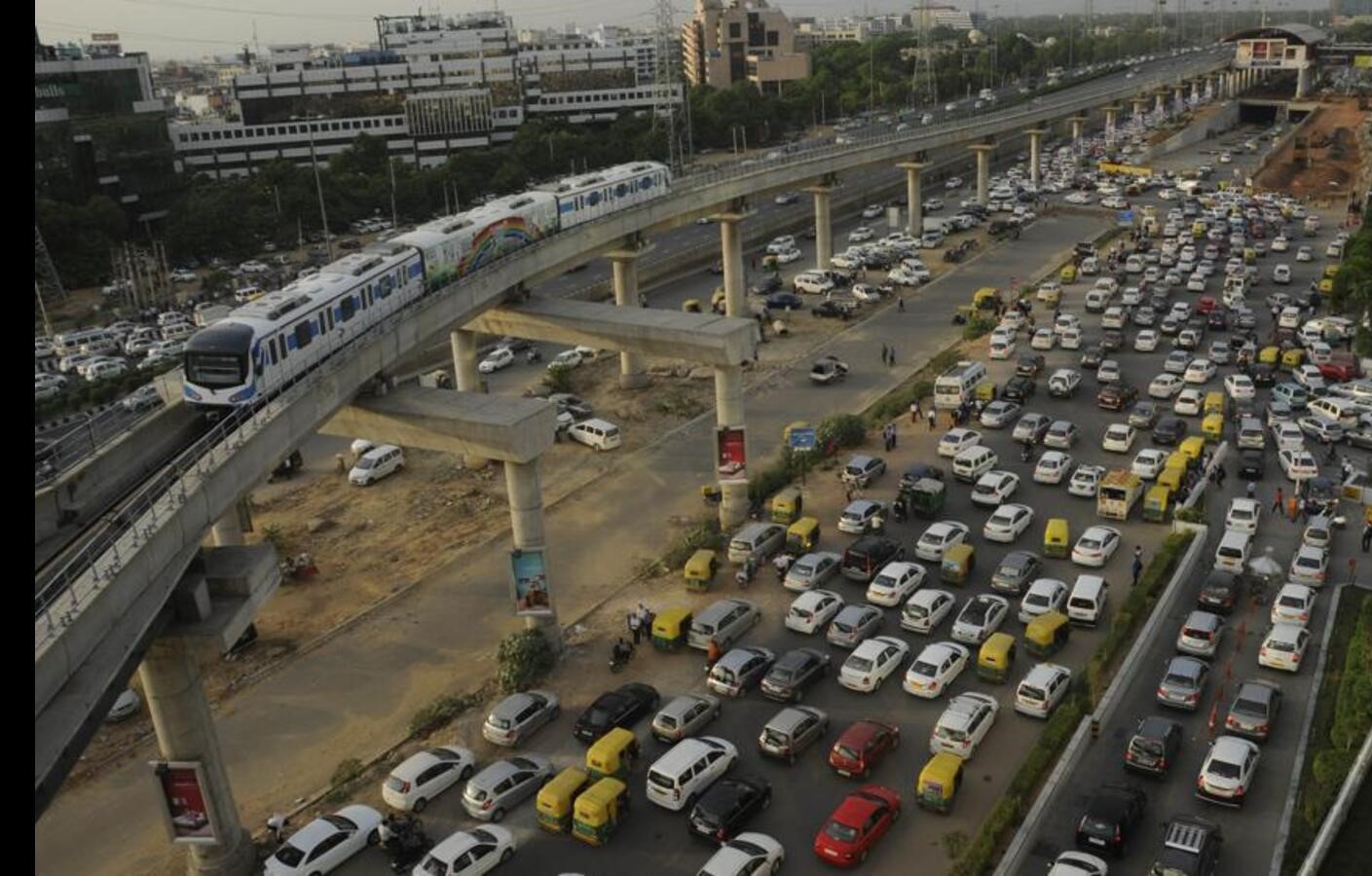
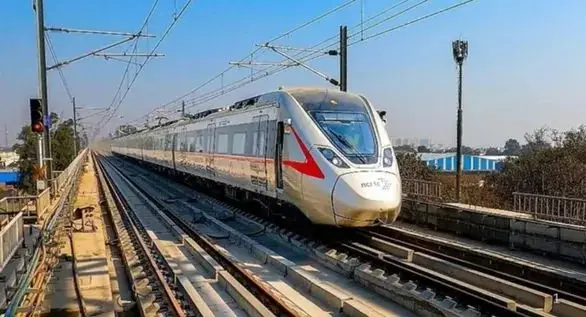
Delhi’s Transit-Oriented Development (TOD) policy aims to reshape urban growth by promoting high-density, mixed-use development around transit hubs. While it enhances accessibility and sustainability, gaps in implementation, affordability, and infrastructure integration raise concerns about inclusivity and long-term urban resilience in India’s rapidly expanding capital.
Delhi’s TOD policy has emerged as a key pillar in urban planning, aligning with global trends that prioritize public transport and compact city design. Introduced to reduce congestion and pollution, it focuses on creating vibrant, walkable neighborhoods near metro corridors.
What The Policy Gets Right
The TOD policy successfully integrates land use with transit systems, encouraging higher Floor Area Ratio (FAR) near metro stations. This promotes vertical growth and reduces dependency on private vehicles. By prioritizing pedestrian-friendly infrastructure and mixed-use zoning, it fosters live-work-play environments that improve quality of life.
Additionally, the policy supports environmental sustainability. Reduced commuting distances and enhanced public transport usage directly contribute to lower carbon emissions. It also aligns with smart city goals, making Delhi more competitive as a global urban hub.
Where The Policy Falls Short
Despite its strong framework, implementation challenges persist. One major concern is affordability. High-density developments often cater to premium housing segments, limiting access for lower-income groups. Without adequate inclusionary zoning, TOD risks becoming exclusionary rather than equitable.
Infrastructure readiness is another gap. Many TOD zones lack adequate last-mile connectivity, such as safe footpaths and cycling tracks. This undermines the policy’s core objective of reducing vehicular dependency.
Regulatory complexities and slow approvals further hinder progress. Coordination between multiple agencies remains inconsistent, delaying projects and reducing investor confidence.
Key Highlights
- Encourages high-density, mixed-use development near transit corridors
- Reduces reliance on private vehicles, improving urban mobility
- Promotes sustainability and lower carbon emissions
- Faces challenges in affordable housing inclusion
- Struggles with last-mile connectivity and infrastructure gaps
- Implementation slowed by regulatory and coordination issues
The Road Ahead
For Delhi’s TOD policy to achieve its full potential, a stronger focus on inclusivity, seamless infrastructure, and governance efficiency is essential. Integrating affordable housing mandates and improving last-mile connectivity could transform TOD into a truly people-centric urban solution.
Sources: Urban development policy reports, Delhi Development Authority (DDA) guidelines, urban planning analyses