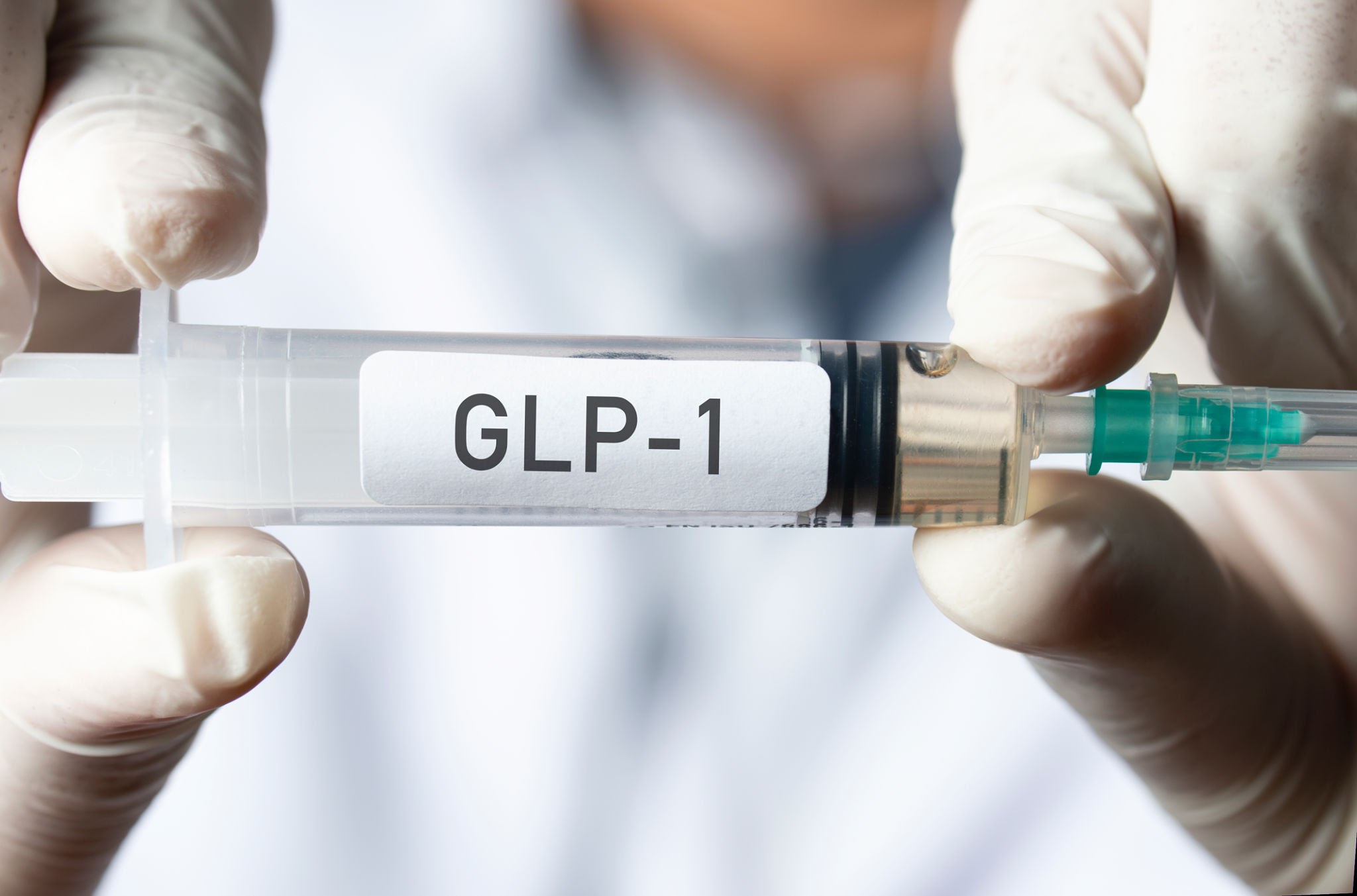
Medical professionals are warning consumers against microdosing GLP-1 drugs for weight loss. The social media-driven trend involves taking sub-therapeutic doses to minimize side effects or cut costs. Experts emphasize that this practice lacks clinical validation, reduces weight loss efficacy, and increases the risk of dangerous dosing errors.
WASHINGTON — A growing social media trend has prompted international medical agencies and obesity experts to issue formal warnings regarding patients who microdose GLP-1 drugs for weight loss. The practice, which involves taking fractional amounts of prescribed medications like semaglutide or tirzepatide, has seen an increase in popularity throughout 2026.
Consumers are attempting to bypass common gastrointestinal side effects or stretch expensive prescriptions amid ongoing global drug shortages. However, regulatory bodies emphasize that taking these medications below FDA-approved parameters compromises clinical efficacy and introduces unmonitored health risks.
Rise of Sub-Therapeutic Dosing Trends
The phenomenon of microdosing GLP-1 drugs for weight loss has proliferated primarily across digital wellness communities. Patients prescribed medications such as Ozempic, Wegovy, or Zepbound are actively altering their delivery mechanisms—either by counting clicks on custom dial-up injection pens or manually splitting compounding pharmacy doses.
The primary objective cited by participants is the suppression of mild to moderate side effects, including nausea, vomiting, and severe constipation. Additionally, with the retail cost of monthly treatments remaining substantial for uninsured consumers, many seek to extend a single monthly prescription vial over several weeks.
Medical clinicians note that while the approach appears economical to consumers, it disrupts the strict escalation schedules validated in landmark clinical trials.
Clinical Implications and Lack of Efficacy Data
Pharmaceutical manufacturers and metabolic researchers emphasize that GLP-1 (glucagon-like peptide-1) receptor agonists are engineered to function at precise threshold concentrations within the central nervous system. These medications mimic natural metabolic hormones to slow gastric emptying and reduce systemic appetite signals.
According to statements from the U.S. Food and Drug Administration (FDA), clinical trials for weight management medications were structured around gradual dose escalation over a multi-week period. This method acclimatizes the body to the active compound until a maintenance dose is safely achieved.
Taking fractional or "micro" amounts frequently keeps the active drug level below the therapeutic window required to sustain long-term weight loss. Consequently, patients risk experiencing weight plateaus or immediate weight regain because the metabolic pathway is not fully engaged.
Supply Interruption and Counterfeit Compounding Risks
The trend is heavily linked to ongoing supply chain deficits. When brand-name options remain unavailable, consumers frequently turn to online telehealth portals and compounding pharmacies. The distribution of compounded semaglutide formulas often relies on traditional syringes and vials rather than pre-measured automated pens.
This structural shift requires individuals to manually calculate small fluid volumes. Regulatory bodies warn that this dynamic significantly increases the likelihood of dosing errors.
In severe instances, improper sub-therapeutic handling risks contaminating multi-dose vials. Furthermore, under-dosing can paradoxically lead to rapid medication cycling, causing extreme blood glucose fluctuations in individuals who have underlying insulin resistance or pre-diabetes.
Official Sources Section
Data, safety protocols, and drug guidelines referenced in this report are compiled from formal public health briefs distributed by the U.S. Food and Drug Administration (FDA), official prescribing circulars issued by manufacturers like Novo Nordisk and Eli Lilly, and published consensus statements from the American Medical Association (AMA).
Quote Section
Medical practitioners are urging consumers to follow exact regulatory guidelines to ensure safety.
According to officials from major health systems, adjusting prescribed dosages without clinical oversight compromises safety. Academic researchers stated that:
"Altering the established delivery protocols of metabolic therapies introduces unstudied variables. Microdosing GLP-1 drugs for weight loss lacks rigorous clinical trial support, and patients doing so are essentially operating without a safety net."
Why It Matters
For millions of global consumers managing chronic obesity, the decision to microdose GLP-1 drugs for weight loss carries practical and financial consequences. Using sub-therapeutic amounts may lower short-term side effects, but it can lead to long-term treatment failure and higher overall healthcare expenses.
Understanding the risks of unapproved dosing helps patients maximize their medical investments and protect their metabolic health.
Key Facts at a Glance
Definition: Microdosing involves administering unapproved, fractional quantities of GLP-1 receptor agonists below standard initial or maintenance guidelines.
Driver: The practice is predominantly driven by consumers seeking to avoid gastrointestinal side effects and mitigate the impact of high out-of-pocket prescription expenses.
Clinical Consensus: Leading medical bodies warn that sub-therapeutic levels fail to trigger the metabolic mechanisms necessary for sustained weight management.
Dosing Risks: Manual allocation of compounded solutions increases the likelihood of measurement errors and bacterial contamination of vials.
FAQ Section
What does it mean to microdose GLP-1 drugs for weight loss?
It refers to the unauthorized practice of injecting small, sub-therapeutic amounts of weight-loss medications like semaglutide or tirzepatide, rather than following the standard dosing schedule prescribed by a doctor.
Does microdosing reduce the side effects of these medications?
While lower doses may lessen temporary side effects like nausea, they also reduce the drug's effectiveness. This approach leaves the patient below the therapeutic window needed for meaningful appetite suppression.
Is it safe to split doses using compounding pharmacy vials?
Altering doses manually introduces significant risks, including measurement mistakes, compromised sterility, and unpredictable blood sugar shifts, especially for individuals with underlying insulin resistance.
What should I do if my current dose causes severe nausea?
Patients experiencing persistent gastrointestinal distress should speak with their prescribing physician. Doctors can adjust the titration schedule safely or prescribe temporary supportive treatments without dropping below effective levels.
Source: U.S. Food and Drug Administration (FDA) Drug Shortage Database; American Medical Association (AMA) Journal of Ethics; Clinical Trial Registries for Semaglutide and Tirzepatide.






![The Central Consumer Protection Authority [CCPA] Imposes ₹1 Lakh Penalty on SpiceJet for Using Dark Patterns](/storage/news/1784346237_6a5af67d57f1e.webp)