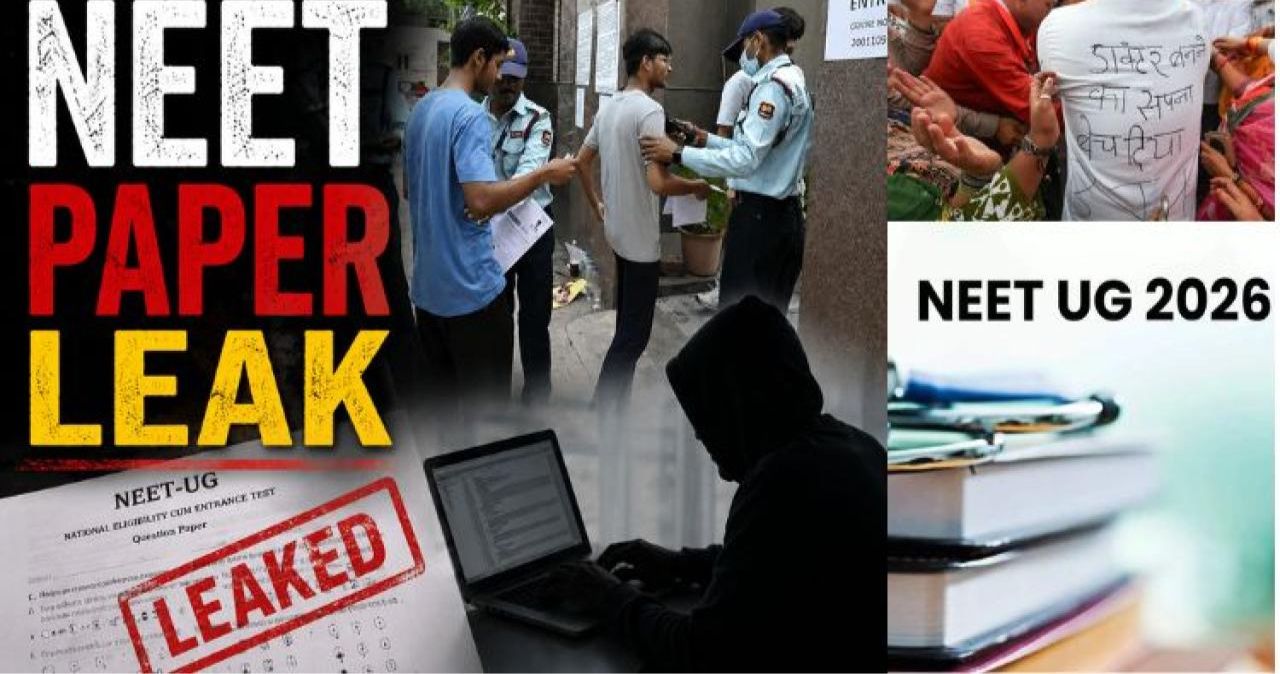
Central Bureau of Investigation findings reveal that entrusting the same panel of subject experts with both drafting and translating the NEET-UG question papers compromised security. The flaw allowed panel members to reconstruct questions from memory and leak them to coaching networks, triggering widespread calls for structural reforms.
Recent investigative findings indicate that combining question-setting and translation responsibilities may have critically undermined the integrity of the national medical entrance examination.
As investigative agencies continue untangling the complexities behind high-stakes national assessments, startling procedural revelations have emerged regarding the security vulnerabilities of the National Eligibility cum Entrance Test (NEET-UG). According to intelligence and investigative sources close to the ongoing probe, entrusting the exact same set of academic experts with both drafting the original question papers and translating them into regional languages created a critical operational loophole. The Central Bureau of Investigation (CBI), which recently filed a comprehensive charge sheet against 13 accused individuals in New Delhi, informally communicated these systemic flaws to the National Testing Agency (NTA), urging an immediate separation of these sensitive administrative duties to safeguard future testing cycles.
Procedural Lapses and the Mechanics of the Breach
The investigation highlights how administrative oversights during the paper-preparation phase allowed individuals prolonged access to sensitive examination content. While designated subject experts—including chemistry lecturer P.V. Kulkarni, physics teacher Manisha Gurunath Mandhare, and biology teacher Manisha Sanjay Havaldar—were housed in designated sanitised environments during the drafting process, investigators noted critical operational relaxations.
Key factors highlighted by the CBI investigation include:
Dual Responsibilities: Panelists were assigned both the initial creation of the master question sets and their subsequent translation into regional languages, notably Marathi, granting them extended exposure to the final content.
Daily Transit Allowances: Despite working on high-security materials, experts were permitted to return to their private residences daily during the formulation phase.
Memory Reconstruction: Investigative disclosures state that certain individuals memorized key questions and reconstructed them upon leaving the secure facility, later circulating them among select coaching circles under the guise of "very important" practice questions.
Widespread Dissemination: The reconstructed material allegedly passed through local intermediaries and middlemen across multiple states in exchange for substantial financial payments prior to the May 3 examination date.
Impact on Aspirants, Educational Institutions, and Public Trust
For millions of medical aspirants and their families, the fallout from the procedural compromise has resulted in immense academic stress, administrative disruption, and calls for stricter oversight. Following the cancellation of the initial May examination and the successful execution of the subsequent retest, educational analysts and legal experts have urged the NTA to overhaul its security protocols. Ensuring strict compartmentalization between question setters, translators, and validators remains paramount to restoring absolute public confidence in India's premier medical entrance evaluations.
Why It Matters
For students, educators, and policymakers, understanding the root causes of examination breaches is vital for implementing foolproof administrative barriers. Separating sensitive tasks like question formulation and translation ensures that no single entity retains end-to-end knowledge of master test papers, thereby protecting the sanctity of competitive testing nationwide.
Key Facts at a Glance
Core Issue: Dual assignment of question setting and translation given to the same academic experts.
Investigative Agency: The Central Bureau of Investigation (CBI) leading the probe and subsequent charge sheet filings.
Action Taken: 13 individuals placed under judicial custody, with formal recommendations forwarded to the National Testing Agency (NTA).
Preventative Measure: Proposed strict structural segregation between paper setters and language translators for future examinations.
FAQ Section
How did the dual responsibility of setting and translating papers compromise NEET-UG?
Assigning both tasks to the same panel gave them extended, unmonitored access to the final question pool, allowing some individuals to memorize and reconstruct the paper outside secure premises.
What recommendations has the CBI made to the NTA?
The CBI has informally advised the NTA—and is expected to formally recommend—that the responsibilities of drafting question papers and translating them must be completely separated among different personnel.
What legal actions have been taken in connection with the breach?
The CBI has filed a formal charge sheet against 13 accused individuals, including designated subject experts, local coordinators, and alleged middlemen, who currently remain in judicial custody.
Where can official updates regarding the investigation be accessed?
Official government press releases and case summaries are available through the Press Information Bureau (PIB).
Source: Press Information Bureau (PIB), The Indian Express, Times of India