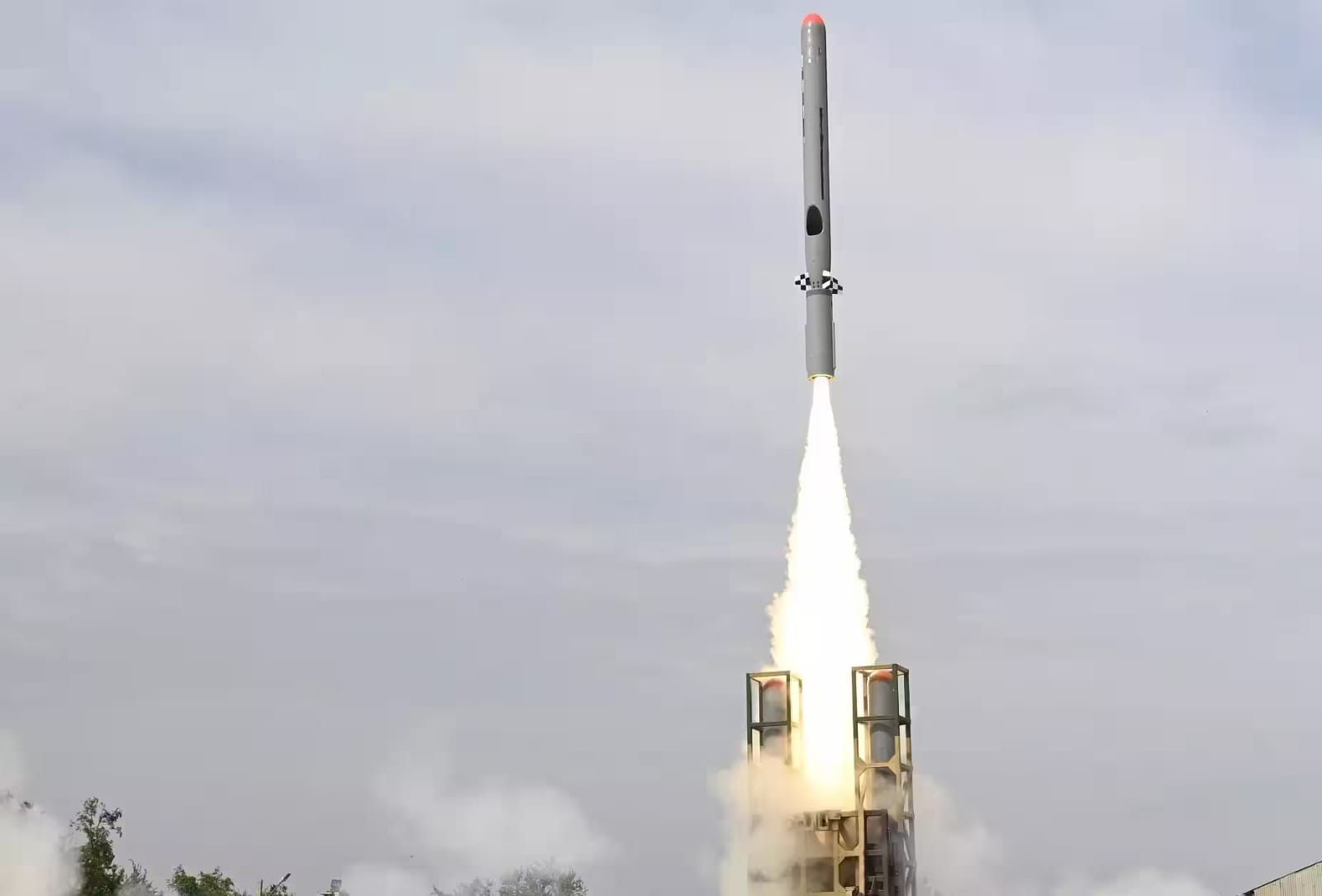
DRDO successfully conducted the maiden flight-test of the 'Kusha' long-range surface-to-air missile off the Odisha coast on July 23, 2026. Capable of engaging aerial threats up to 400 km across three interceptor variants, the system marks a major step toward self-reliance in strategic air defence.
NEW DELHI — The Defence Research and Development Organisation (DRDO) successfully conducted the maiden flight-test of the indigenously developed 'Kusha' Long-Range Surface-to-Air Missile (LRSAM) system on Thursday, July 23, 2026. The test was carried out from the Integrated Test Range at APJ Abdul Kalam Island off the coast of Odisha, marking a vital technical breakthrough in India’s efforts to establish a fully domestic, multi-tiered air defence network.
According to official releases from the Ministry of Defence, the flight-test engaged an electronic target simulating a high-speed, high-altitude aerial adversary. The missile successfully intercepted the simulated threat, validating not only the interceptor itself but also the integrated performance of the system's tracking radars, mobile launchers, and automated command-and-control infrastructure.
Technical Features and Multi-Tiered Engagement Profile
Formally designated under Project Kusha—and previously known as the Extended Range Air Defence System (ERADS)—the platform is engineered to engage a broad array of airborne threats. These include stealth fighter jets, cruise missiles, unmanned aerial vehicles (UAVs), and heavy strategic aircraft across diverse altitude envelopes.
The weapon architecture features three distinct interceptor variants designed to provide layered operational reach:
M1 Variant: Optimized for medium-to-long-range engagements up to 150 km.
M2 Variant: Extends tactical coverage to approximately 250 km.
M3 Variant: Engineered for long-range interception targeting assets at distances between 350 km and 400 km.
The tiered configuration allows a single surface battery to prioritize incoming threats dynamically, preventing the expenditure of maximum-range interceptors on closer targets. All elements plug directly into the Indian Air Force’s Integrated Air Command and Control System (IACCS) for real-time situational awareness.
Strategic Context and Strategic Autonomy
The development of Project Kusha represents a central pillar in India's long-term strategy to reduce reliance on foreign military imports. Often described as India’s homegrown answer to foreign systems like the Russian S-400 Triumf, the program ensures domestic control over manufacturing, software integration, and spare parts supply chains.
The project was cleared by the Cabinet Committee on Security with an initial budget allocation of approximately ₹21,700 crore, followed by an Acceptance of Necessity (AoN) granted for multiple squadrons.
Development is led by the Defence Research and Development Laboratory (DRDL), with Research Centre Imarat (RCI) designing the advanced RF seeker systems. Primary industrial production partners include Bharat Electronics Limited (BEL) for radar and systems integration, and Bharat Dynamics Limited (BDL) for missile fabrication.
Official Announcements and Leadership Statements
Confirming the trial's success, government leadership highlighted the milestone as a major leap forward for indigenous defence capabilities.
"The successful test-flight of 'Kusha' marks an important milestone in Indian defence R&D, highlighting the capability in developing a long-range surface-to-air missile system possessed only by a handful of nations," said Defence Minister Rajnath Singh. "This will eliminate import dependency for such long-range systems and signifies a giant leap in the nation's air defence posture."
Defence Secretary and DRDO Chairman Rajesh Kumar Singh monitored the test launch sequence and commended the scientists, engineers, and manufacturing partners involved.
Practical Implications for National Security
The operational deployment of Kusha directly supports Mission Sudarshan Chakra—the national initiative aimed at establishing a comprehensive, multi-layered air and missile defence shield over critical infrastructure and civilian population centers.
Once developmental and user trials conclude, phased induction is planned to begin, filling the tactical reach gap between short-to-medium range systems like Akash-NG and localized point-defence networks.
Key Facts at a Glance
Test Location: APJ Abdul Kalam Island, off the coast of Odisha.
Target Neutralized: Electronic target simulating high-speed, high-altitude aerial threats.
Maximum Reach: Designed to engage targets up to 400 km using a family of three interceptors.
Nodal Agencies: Developed by DRDO with production support from BEL and BDL.
Service Integration: Intended for primary deployment with the Indian Air Force, with potential shipborne variants for the Indian Navy.
Frequently Asked Questions
What is the primary objective of Project Kusha?
Project Kusha is an indigenous long-range surface-to-air missile (LRSAM) project designed to safeguard Indian airspace against advanced aerial threats, including stealth aircraft, drones, cruise missiles, and ballistic targets.
How does Kusha compare to the Russian S-400 system?
While providing comparable multi-tiered interception capabilities up to ranges of 350–400 km, Kusha is fully designed, manufactured, and supported within India, eliminating foreign supply chain bottlenecks and maintenance dependencies.
When will the Kusha missile system enter operational service?
Following the successful maiden flight-test, the system will undergo a series of additional developmental, environmental, and user trials. Phased induction into the armed services is targeted to begin between 2028 and 2030.
Source: Press Information Bureau (PIB Delhi), Ministry of Defence, Government of India, Defence Research and Development Organisation (DRDO)