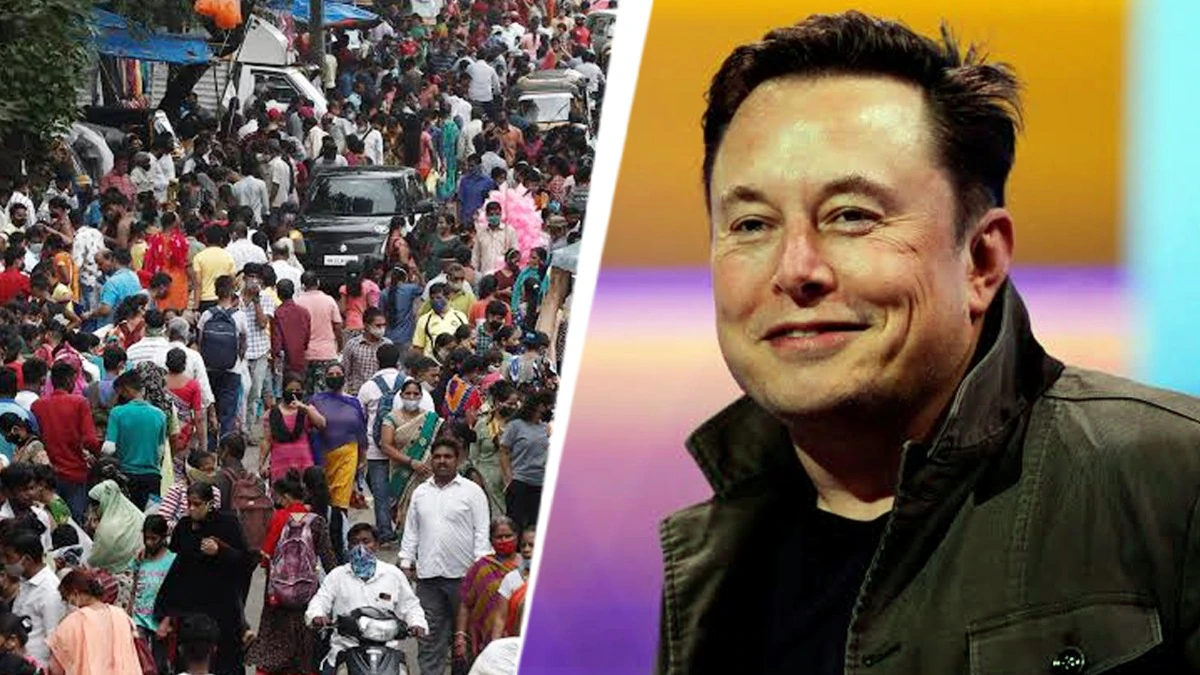
Elon Musk described Indian immigration rules as "realistic" after an Irish visitor asked the AI chatbot Grok about fast-tracking residency, welfare, and home purchases. The exchange underscored India's strict nationality framework, which requires 12 years of residency, prohibits dual citizenship, and bars non-citizens from state financial assistance.
NEW DELHI — Technology entrepreneur and Tesla chief executive Elon Musk weighed in on India’s statutory immigration and naturalisation framework on Friday, characterizing the country's tight residency guidelines as "realistic" following an exchange on social media platform X. The viral exchange began when an Irish national, claiming to have arrived in Kolkata with his family, questioned the AI chatbot Grok about obtaining India citizenship, accessing government welfare cheques, and acquiring local real estate. Musk's terse endorsement has placed global scrutiny on India's dual citizenship prohibition, stringent naturalisation timelines, and foreign exchange curbs at a time when Western nations face heated domestic debates over borders and state-funded migrant support.
Viral Exchange Sparks Debate Over Naturalisation Norms
The online discussion originated from a series of posts by an X user identified as Aidan Joyce. After stating he had arrived in Kolkata and wished to remain permanently, Joyce queried Grok—the artificial intelligence assistant developed by xAI—on the exact administrative steps required to secure India citizenship.
Grok's response outlined the statutory barriers set under Indian nationality laws:
Extended Naturalisation Timeline: The requirement of at least 12 years of lawful residence, comprising 11 years of aggregate stay out of the preceding 14 years, culminating in a mandatory, continuous 12-month residency period before applying.
Single Citizenship Mandate: India's strict ban on dual citizenship, requiring foreign nationals to permanently renounce their original passports prior to naturalisation.
Discretionary Naturalisation: Final grants remain entirely at the sovereign discretion of the central government, with no automated statutory entitlement.
When the traveler subsequently asked if his family could receive state financial support while seeking employment, Grok clarified that India does not provide cash welfare or unemployment subsidies to non-citizens or arriving tourists, advising the family to self-finance. Responding to an aggregated summary of the thread, Musk wrote simply: "India is realistic".
Statutory Real Estate Curbs and Foreign Exchange Laws
The viral thread also drew public attention to the stringent property purchase regulations applicable to foreign nationals. When asked whether an overseas visitor could purchase residential property to move out of temporary hotel accommodation, Grok correctly pointed out restrictions enforced by the Reserve Bank of India (RBI) under the Foreign Exchange Management Act (FEMA).
Under established FEMA guidelines, a foreign citizen of non-Indian origin who is not resident in India cannot purchase immovable residential property in the country without prior approval from the central bank. Foreign travelers visiting on tourist visas are prohibited from acquiring real estate, being restricted instead to temporary leases of five years or fewer.
Legal experts noted that the automated exchange accurately highlighted the core architecture of the Citizenship Act, 1955. Unlike several European jurisdictions or North American birthright frameworks, Indian legal codes do not offer unconditional economic settlement avenues, investment visas leading directly to passports, or non-contributory welfare benefits for foreign arrivals.
Context Amid Global Immigration and Border Policy Debates
Musk’s remark reflects his frequent commentary on comparative Western and Eastern migration policies. Over the past two years, the billionaire has repeatedly voiced concerns regarding irregular border crossings and welfare strain in the United States and across Western Europe, arguing that uncontrolled demographic inflows threaten fiscal sustainability.
India’s demographic reality contrasts sharply with Western nations experiencing labor shortfalls. With an aggregate population exceeding 1.4 billion, domestic policy has historically concentrated on shielding national resources, public subsidies, and land ownership for its own citizens and registered Overseas Citizens of India (OCI). Social safety programs—including targeted food distribution under the National Food Security Act and rural employment guarantees—are strictly ring-fenced for Indian citizens below statutory income thresholds.
Official Sources
Provisions governing Indian naturalisation, sovereign discretion, and non-resident property transactions are established under the statutory notifications of the Ministry of Home Affairs and foreign investment directives published by the Reserve Bank of India.
Quotes
"According to officials familiar with immigration administration, India’s naturalisation criteria and single-citizenship mandate are designed to protect national security and maintain demographic balance, ensuring that settlement and public welfare entitlements remain reserved strictly for eligible citizens."
Why It Matters
The widespread engagement generated by Musk's reaction highlights fundamental differences in international immigration systems. For expatriates, multinational investors, and travelers, the episode clarifies that India maintains strict non-immigrant boundaries: lawful presence via employment or business visas does not generate fast-track nationality rights, and non-citizens remain entirely ineligible for state-funded financial assistance.
Key Facts at a Glance
Executive Reaction: Elon Musk described India's naturalisation and immigration standards as "realistic" on social network X.
Residency Requirement: Obtaining India citizenship through naturalisation requires 12 years of lawful residence, including a mandatory continuous 12-month final period.
Dual Passport Ban: The Indian Constitution and Citizenship Act mandate the complete renunciation of foreign nationality.
No Migrant Welfare: Non-citizens and arriving foreign visitors cannot claim state unemployment benefits or public social subsidies.
Property Restrictions: Non-resident foreigners cannot purchase domestic real estate without prior regulatory clearance from the Reserve Bank of India.
Frequently Asked Questions
Can a foreign tourist automatically apply for India citizenship?
No. Foreign nationals must satisfy statutory legal residency criteria under the Citizenship Act, 1955, including at least 12 years of aggregate lawful stay, with final naturalisation remaining subject to the government's sovereign discretion.
Does India permit dual citizenship for foreign nationals who naturalise?
No. The Indian Constitution and nationality laws prohibit dual citizenship. Any applicant granted an Indian passport must surrender their previous foreign citizenship.
Can foreign visitors purchase residential property upon arrival in India?
Under Reserve Bank of India regulations governed by FEMA, foreign nationals of non-Indian origin residing abroad cannot purchase residential property without prior central bank approval.
Source: Ministry of Home Affairs, Reserve Bank of India, Ministry of External Affairs