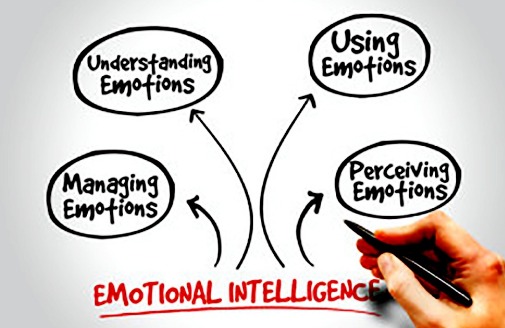
A leading psychologist is once again making the case that our most misunderstood form of intelligence is not IQ, but emotional intelligence. We still tend to treat it as “being nice” or vaguely empathetic, when in reality it is a hard skill that shapes careers, relationships and even mental health outcomes. The argument is simple but uncomfortable: knowing what you feel and what others feel is often more decisive than raw brainpower.
At its core, emotional intelligence is about accurately reading emotions, regulating your reactions and using that knowledge to navigate real life situations. It is the quiet ability behind difficult conversations that do not blow up, teams that actually collaborate and leaders who can adjust course without losing people on the way. Yet most of us only notice it when it is missing, in meetings that go off the rails or relationships that keep repeating the same arguments.
What Emotional Intelligence Really Involves
True emotional intelligence is less about being endlessly agreeable and more about being honest without being destructive. It is the discipline of pausing for a beat before reacting, checking the story you are telling yourself and asking what the other person might actually be experiencing. That mix of self awareness and social awareness is what allows conflict to become problem solving instead of a win lose brawl.
Why We Undervalue It At Work
In many workplaces, hard skills still get the spotlight, while emotional intelligence is relegated to an HR buzzword. That is changing slowly as managers notice that the people who can handle feedback, stay steady under pressure and communicate clearly often outperform “brilliant but volatile” colleagues over time. It turns out that in complex, team based work, emotional stability and perspective taking are not soft at all, they are load bearing.
How To Build More Of It, Practically
The psychologist’s advice is deliberately unglamorous: pay closer attention to your own emotional patterns, ask for honest feedback on how you come across, and learn to name your feelings with more precision than “stressed” or “fine.” Small habits like taking a breath before responding to a tense email, or genuinely listening instead of preparing your rebuttal, create the space in which emotional intelligence grows. Over months and years, that space quietly compounds into better decisions, stronger relationships and a very different quality of life.
Key Highlights
- Emotional intelligence is often misunderstood as “being nice” rather than a concrete, learnable skill
- It combines self awareness, self regulation, empathy and social skill in everyday situations
- Workplaces are slowly recognising that emotionally intelligent people are more effective over the long term
- Building it starts with small, repeatable habits: pausing, naming emotions accurately and listening more carefully
Sources: Recent popular psychology commentary and expert discussions on emotional intelligence and workplace performance