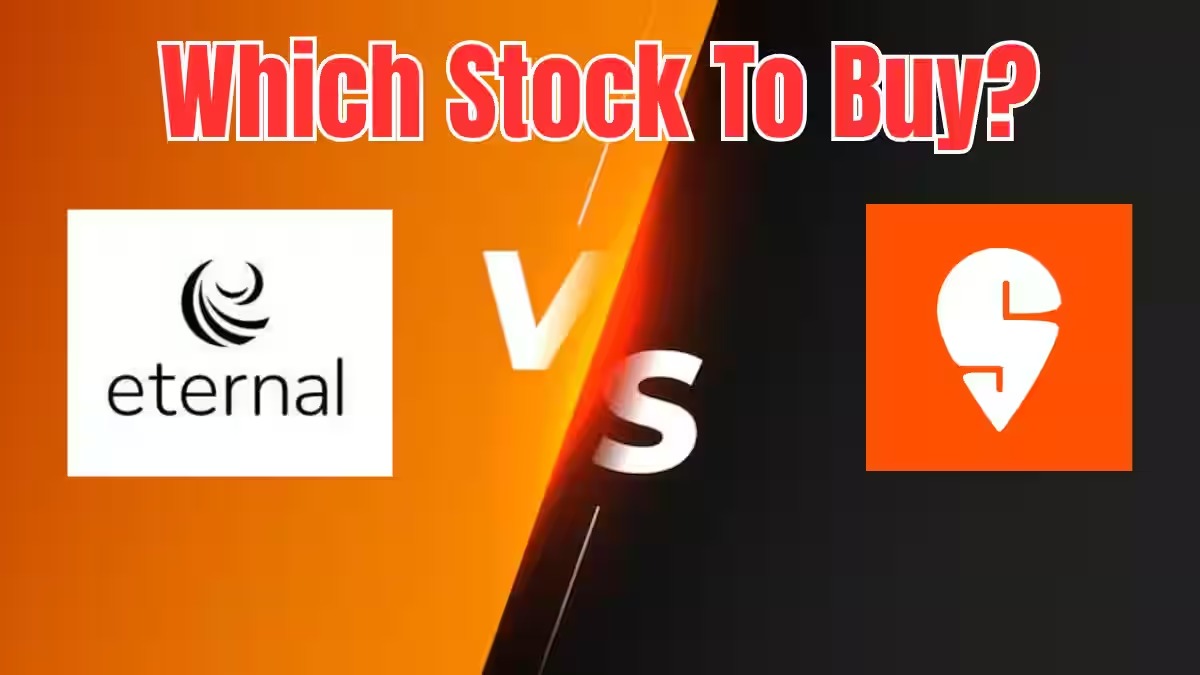
Eternal and Swiggy are locked in a fierce quick commerce war, intensifying capital deployment into dark stores and supply chains. While Eternal leads in reported profitability and scale through Blinkit, Swiggy remains a aggressive contender. Investors evaluating post-QIP stock ownership must weigh near-term margins against long-term market capture.
As capital infusion rounds reshape India's delivery sector, institutional investors weigh growth metrics between Eternal and Swiggy.
Overview
The intense race for dominance in India’s booming quick commerce sector has entered a critical new phase, forcing institutional and retail investors to re-evaluate the market positioning of listed heavyweights Eternal Limited (parent of Zomato and Blinkit) and Swiggy Limited. Following recent capital-raising initiatives, qualified institutional placements (QIPs), and strategic financial disclosures in August 2026, market participants are scrutinizing which corporate structure offers a superior long-term path to profitability.
The developments come as both platforms aggressively expand their dark store footprints, supply chain networks, and inventory-led delivery models. With consumer habits shifting rapidly toward 10-minute deliveries across major metropolitan centers, equity analysts are closely tracking net order values (NOV), cash burn rates, and margin trajectories to determine the sector's definitive stock leader.
Comparative Financial Metrics and Expansion Strategies
According to recent financial reports and exchange filings, Eternal has pulled ahead in reported top-line scale and near-term profitability metrics. Blinkit's operational shift toward owning inventory stored within dark stores has significantly influenced revenue disclosures, pushing Eternal's consolidated performance metrics higher. Conversely, Swiggy continues to pump substantial capital into scaling Swiggy Instamart and its core food delivery operations, prioritizing long-term market capture over immediate bottom-line returns.
Market data compiled across major stock exchanges highlights distinct operational differences:
Blinkit (Eternal): Demonstrated robust net order value growth, backed by an extensive network of high-density dark stores and strong parent-company cash flows.
Instamart (Swiggy): Maintains competitive delivery volumes and consumer loyalty, though ongoing infrastructure scaling impacts near-term operating margins.
Official Sources and Regulatory Disclosures
Information regarding capital structures, shareholding patterns, and financial health is drawn directly from regulatory filings submitted to the Securities and Exchange Board of India (SEBI), periodic disclosures on the National Stock Exchange (NSE) and Bombay Stock Exchange (BSE), and official corporate earnings releases.
"According to officials, capital allocation strategies are heavily focused on securing strategic dark store real estate and optimizing supply chain logistics to maintain competitive edge in urban centers."
Why It Matters
For investors and market participants, choosing between Eternal and Swiggy involves weighing execution speed against balance sheet durability. While quick commerce offers immense total addressable market (TAM) expansion, the capital-intensive nature of dark store warehousing means that operational efficiencies will dictate equity valuations. Stakeholders must monitor how effectively each platform manages unit economics amid aggressive competitive discounting.
Key Facts at a Glance
Sector Focus: Rapidly scaling quick commerce and food delivery ecosystems across India.
Key Competitors: Eternal Limited (Zomato/Blinkit) versus Swiggy Limited (Swiggy/Instamart).
Primary Growth Driver: Expansion of hyper-local dark stores and inventory-owned fulfillment centers.
Market Catalyst: Recent institutional capital-raising rounds and evolving foreign ownership thresholds.
Frequently Asked Questions
1. What are the core business segments of Eternal and Swiggy?
Eternal operates Zomato (food delivery), Blinkit (quick commerce), Hyperpure (B2B supplies), and District (dining/events), whereas Swiggy anchors its operations around food delivery, Swiggy Instamart, and out-of-home consumption services.
2. How do the quick commerce models of Blinkit and Instamart differ?
Both utilize dark store networks for rapid fulfillment, but variations in inventory ownership models and supplier integration affect how top-line revenues and operating margins are reported.
3. Why is institutional capital important for quick commerce stocks?
Dark store expansion, supply chain automation, and dense urban warehousing require continuous upfront capital expenditure, making QIPs and institutional funding essential for sustaining growth.
4. Where can investors track official financial filings for these companies?
Investors can access verified financial results, corporate governance updates, and shareholding disclosures directly via the National Stock Exchange (NSE) and Bombay Stock Exchange (BSE).
Source: Securities and Exchange Board of India (SEBI), National Stock Exchange (NSE), Bombay Stock Exchange (BSE), and Corporate Earnings Reports.