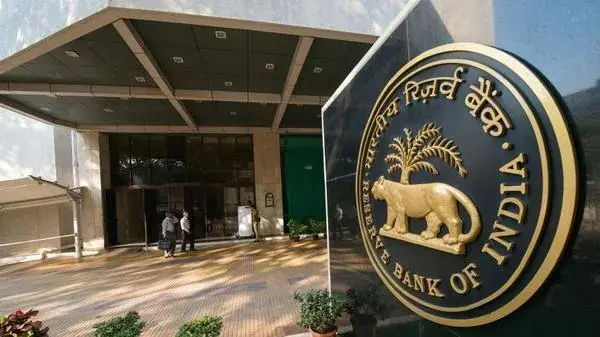
Federal Bank Limited's Board of Directors has formally approved a fundraising framework of up to 100 billion rupees via debt instruments, including non-convertible debentures and Basel III bonds. The capital program will strengthen the private lender's regulatory reserves and support its expanding retail and corporate lending portfolios.
KOCHI — The Board of Directors of Federal Bank Limited has officially approved a major fundraising blueprint of up to 100 billion Indian rupees (~$12 billion) through the issuance of various debt instruments. The private sector lender announced the capital framework via institutional regulatory updates on Friday, July 17, 2026. The sweeping institutional authorization is designed to strengthen the bank's long-term capital adequacy metrics, ensuring it possesses sufficient dry powder to support robust double-digit credit expansion across its key retail, MSME, and commercial banking divisions.
Technical Modalities and Debt Securities Under Review
According to compliance documents submitted to the stock exchanges, the 100 billion rupee fundraising umbrella allows the bank to tap corporate debt markets flexibly over the coming fiscal periods. The capital raise will be executed through the issuance of non-convertible debentures (NCDs), bonds, and specialized regulatory capital tools. These instruments include Basel III-compliant Additional Tier-1 (AT1) bonds and Tier-2 subordinate debt blocks.
The board’s authorization provides its corporate treasury desk with structural agility to execute the debt program in one or more tranches. This multi-tranche approach allows the lender to time individual debt issuances to coincide with favorable interest rate cycles and optimal institutional liquidity conditions. Per standard regulatory protocols, the final implementation of the borrowing program remains strictly subject to formal clearance by the bank’s shareholders at the upcoming annual general body assembly, alongside necessary statutory nods from the Reserve Bank of India (RBI).
Expanding Credit Demand and Strategic Capital Positioning
The decision to establish a large-scale 100 billion rupee borrowing buffer comes during an era of robust domestic credit deployment across India's banking sector. Recent monetary indicators show that banking credit has expanded by more than 16% year-on-year, driven heavily by resilient corporate demand and retail consumer services.
Federal Bank has consistently expanded its specialized corporate asset footprint, focusing heavily on modern co-lending alliances, digital retail loan origination, and expanded gold loan portfolios. Tapping long-term institutional debt channels allows the bank to anchor its core balance sheet without causing immediate equity dilution for minority shareholders. This approach balances near-term growth velocity with sustainable return-on-equity (ROE) performance targets.
Strategic Implications for Investors and Asset Managers
For banking stock analysts and corporate bond managers, the capital program highlights a disciplined approach to managing capital adequacy ratios (CAR). As commercial loan books grow, risk-weighted assets increase proportionally, requiring banks to maintain deep capital buffers to meet stringent RBI regulatory limits.
Holding a robust blend of tier-2 subordinate bonds ensures that the bank protects its principal common equity tier-1 ratio. This structural stability provides reassurance to wholesale deposit holders and international institutional backers. Furthermore, it positions the private lender to navigate potential margin compression as the broader domestic financial ecosystem shifts toward more competitive liability pricing rules.
Impact on Consumers, Businesses, and Borrowers
The multi-billion rupee capital allocation translates directly into enhanced credit accessibility for retail borrowers and mid-market commercial operations. With secured wholesale funds established, Federal Bank can maintain competitive floating interest rates on home financing, personal lines, and automotive credit channels.
For small and medium enterprises (SMEs) requiring working capital loans or specialized trade finance extensions, the deployment ensures uninterrupted credit flows during seasonal production peaks. This stability insulates businesses from the sudden credit constraints that often impact less-capitalized regional financial institutions.
Official Sources Section
The financial parameters, compliance notifications, and debt capital definitions cited in this report are based on official regulatory event reports submitted directly to the National Stock Exchange of India (NSE) and the corporate actions index of BSE Limited. Balance sheet metrics and baseline banking volume updates reflect official data from the Reserve Bank of India (RBI), cross-verified with quarterly financial reports from the Federal Bank Investor Relations Desk.
Quote Section
"According to officials familiar with the board’s long-term capital roadmap, the 100 billion rupee debt framework reflects a proactive strategy to secure predictable institutional funding pipelines. This ensures that our retail and commercial asset expansion programs remain fully supported by solid regulatory reserves over the multi-year planning horizon."
Why It Matters
As India’s major commercial banking entities scale up to support the nation's infrastructure objectives, maintaining deep capital reservoirs is crucial. Federal Bank's strategic choice to secure a 100 billion rupee long-term debt mandate demonstrates how mid-tier private lenders are fortifying their balance sheets. This move ensures they can capture market share safely while remaining insulated from sudden changes in domestic market liquidity.
Key Facts at a Glance
Fundraising Limit: Approved for up to 100 billion Indian rupees via debt instruments.
Permitted Instruments: Includes NCDs, senior bonds, and Basel III-compliant AT1 or Tier-2 capital securities.
Execution Strategy: Scheduled for implementation via a flexible multi-tranche approach based on local market yields.
Regulatory Compliance: Execution remains subject to upcoming shareholder votes and approval from the Reserve Bank of India.
FAQ Section
Q1: What is the main objective of Federal Bank's 100 billion rupee debt authorization?
The funds will be utilized to strengthen the bank's regulatory capital buffers and support expanding loan books across retail and commercial business lines.
Q2: Will this massive debt issuance dilute the value of existing equity shares?
No. Because the capital raise is structured entirely around debt instruments (like bonds and debentures) rather than equity shares, it will not cause dilution for current shareholders.
Q3: What specific types of debt securities will the bank issue?
The board has authorized the issuance of non-convertible debentures (NCDs), traditional corporate bonds, and specialized Basel III-compliant Tier-1 and Tier-2 regulatory capital instruments.
Q4: When will these specific bonds be made available to the open market?
The bank will deploy the debt instruments in distinct tranches over time, choosing timing windows that offer favorable interest rates and strong market demand.
Source: Official regulatory compliance disclosures filed directly with the National Stock Exchange of India (NSE) and corporate action listings hosted by the BSE Corporate Centre. Statistical macro trends gathered via the corporate communications wing of the Reserve Bank of India (RBI).