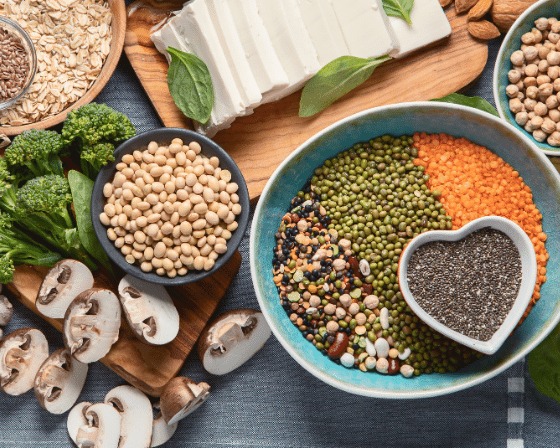
Fiber in the diet, though underrated but equally important, performs various functions in promoting the overall condition of the body and avoiding lifestyle diseases. Rich in fruits, vegetables, whole grains, and legumes, fiber is not merely a gut remedy but equally important in metabolic wellnes...
Fiber in the diet, though underrated but equally important, performs various functions in promoting the overall condition of the body and avoiding lifestyle diseases. Rich in fruits, vegetables, whole grains, and legumes, fiber is not merely a gut remedy but equally important in metabolic wellness, heart well-being, and even cancer protection. A closer examination of what fiber does to your body and why it should be included in the diet is hereby presented.
1. Maintains Digestive Health
Fiber is well known for its capacity to balance bowel function and fend off constipation. It increases bulk to stool, softens it, and facilitates its movement, thus helping in maintaining regularity and fending off hemorrhoids and diverticulitis. Also, fiber maintains the well-being of the gut microbiome since it works as a prebiotic, nourishing healthy bacteria and enhancing the balanced gut environment.
2. Facilitates Weight Management
Fiber-rich foods are more satiating, which can result in lower calorie consumption and aid in weight loss. Fiber also delays digestion, making you feel full for a longer period and decreasing the chances of overeating. Research has established that people with higher fiber consumption tend to have healthier body weights than those with lower fiber consumption.
3. Enhances Blood Sugar Control and Insulin Sensitivity
Soluble fiber specifically has been reported to enhance insulin sensitivity and glycemia in diabetic as well as non-diabetic individuals. It is important to maintain blood glucose levels and minimize the risk of type 2 diabetes. Through delaying the digestion and absorption of sugar into the blood, fiber stabilizes the level of blood glucose.
4. Promotes Heart Health
Dietary fiber is also linked to having a lower risk of cardiovascular diseases such as heart disease, stroke, and hypertension. Soluble fiber reduces levels of cholesterol by binding to bile acids and excreting them, consequently lowering the level of cholesterol synthesized in the liver. Furthermore, fiber has anti-inflammatory effects, which aid in the improvement of cardiovascular health.
5. Reduces Cancer Risk
There is evidence to indicate that greater fiber consumption may reduce the risk of some cancers, notably colorectal and breast cancer. Fiber-rich whole grains have been associated with a lowered risk of colorectal cancer. Although the reasons are not completely clear, fiber's function in promoting a good gut microbiome and lowering inflammation is thought to play a part in these beneficial effects.
6. Supports Longevity
Having sufficient quantities of fiber consumption has been correlated with a higher lifespan. Evidence suggests that individuals with greater intakes of fiber have reduced possibilities of premature mortality due to cardiovascular diseases and cancer. This confirms the significance of fiber in maintaining health and living longer.
7. Individualization of Fiber Consumption
New studies indicate that the impact of fiber on humans may differ from one individual to another based on their specific gut microbiomes. This underscores the importance of having individualized dietary advice to take full advantage of fiber consumption.
In summary, dietary fiber is a nutritional giant that provides a multitude of health benefits, ranging from digestive well-being and weight control to cardiovascular health and cancer prevention. Adding more fiber-containing foods to your diet can make a huge difference in your overall health and decrease the risk of chronic diseases.
Source: PubMed Central, Harvard Health Publishing, EatingWell.