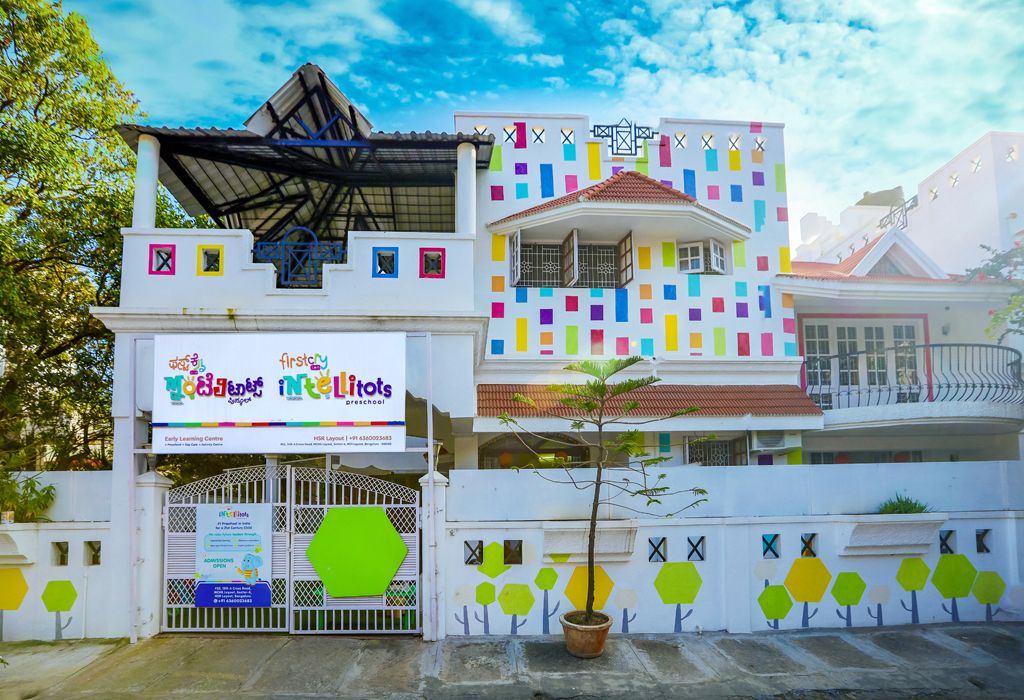
While Brainbees Solutions controls India's baby care market through its core retail operations, its early education arm, FirstCry Intellitots, faces structural bottlenecks. The franchise-driven pre-school network deals with real estate costs, local operational fragmentation, and talent recruitment challenges, contrasting with the automated efficiency of the brand's core e-commerce engine.
PUNE — Brainbees Solutions Limited, the parent company of India’s largest omnichannel baby products retailer FirstCry, continues to demonstrate strong growth in its core e-commerce and brick-and-mortar retail divisions. However, capital market disclosures and operational updates reveal a widening strategic contrast within the company's ecosystem. While its primary digital and offline marketplace excels at high-turnover consumer goods like diapers, apparel, and nursing accessories, its early childhood education subsidiary, FirstCry Intellitots, faces ongoing structural friction as it attempts to scale its pre-school footprint nationwide.
Retail Flywheel Solidifies Omnichannel Dominance
The contrast between FirstCry’s transactional retail success and its service-oriented educational vertical reflects the distinct unit economics governing both sectors. According to financial data reported by the National Stock Exchange of India, Brainbees Solutions processes millions of distinct orders annually, driven by high-frequency repeat purchases of mother-and-child consumer goods.
Its captive house brands, including BabyHug and Pine Kids, benefit from automated inventory replenishment, targeted demographic data loops, and localized delivery configurations across hundreds of cities. This optimized retail ecosystem has successfully positioned the brand as a dominant utility provider for young parents navigating the early years of child-rearing.
The Structural Friction of Scaling Early Education
Despite strong consumer trust in the retail marketplace, expanding a high-margin early childhood education vertical has proven significantly more complex. FirstCry entered the early childhood care sector by acquiring regional playschool operators, including the Hyderabad-based Oi Playschool network, which it subsequently rebranded into FirstCry Intellitots.
Industry analysis reveals that three persistent structural challenges distinguish early education services from high-turnover retail execution:
Real Estate Hyper-Localization: Unlike decentralized retail warehousing or flexible digital platforms, physical pre-schools require highly specialized, ground-floor urban properties featuring robust security, strict municipal compliance, and outdoor play allocations. Securing affordable, long-term commercial leases in premium residential catchments remains a major cost drag.
The Franchise Quality Deficit: FirstCry Intellitots relies heavily on a decentralized franchise operations model to scale its regional footprint. Maintaining uniform curriculum delivery, student safety protocols, and parent-teacher communication across over 300 highly fragmented local franchise hubs creates steep operational oversight requirements.
Talent Attrition and Cost Compression: In contrast to automated supply chains, early childhood care is fundamentally talent-dependent. High attrition rates among qualified early childhood educators, coupled with escalating localized salary requirements, compress operating margins for independent franchise operators.
Strategic Shift in Capital Reinvestment Priorities
The underlying operational divergence is clearly reflected in the corporate group's capital reinvestment priorities. In regulatory prospectus documentation filed with securities markets, Brainbees Solutions outlined the specific destination of its capital allocations.
The vast majority of its fresh funding resources are strictly directed toward expanding its physical product footprint, establishing new modern retail storefronts under the BabyHug banner, constructing physical fulfillment warehouses, and leasing highly productive retail square footage. In contrast, the company's capital allocation for direct investment in domestic pre-school properties remains minor, signaling a corporate strategy that relies on capital-light, third-party franchise funding rather than direct balance-sheet funding for early childhood centers.
Official Sources Section
Operational scale, corporate metrics, and strategic parameters analyzed in this reporting are derived directly from the statutory red herring prospectus and subsequent quarterly earnings declarations submitted by Brainbees Solutions Limited to market regulators, alongside formal corporate program disclosures maintained by the FirstCry Intellitots Education Network.
"The preschool business offers high potential margins, but it requires local operational precision," management stated in franchise recruitment literature. "Our goal is leveraging the instant brand recognition and trust of India's largest baby and kids platform to support local partners."
Why It Matters
For public market investors and consumer internet strategists, FirstCry's performance demonstrates the clear boundaries of brand equity transfer. It shows that a trusted consumer brand cannot seamlessly transition from a transactional goods merchant into a high-touch service provider without altering its core operational infrastructure.
While parents willingly purchase physical products through automated digital channels, selecting an early education center remains an emotional, highly localized consumer decision. This decision is driven more by neighborhood word-of-mouth and individual teacher quality than by a corporate logo, keeping the pre-school landscape highly fragmented.
Key Facts at a Glance
Omnichannel Core: Brainbees Solutions commands a vast mother-and-child retail footprint spanning more than 1,000 physical retail venues in hundreds of Indian cities.
Education Footprint: The FirstCry Intellitots brand operates across more than 300 early childhood centers, executing a premium curriculum via third-party franchise partners.
Acquisition Roots: The company's educational division was assembled through targeted acquisitions of regional assets, including the established Oi Playschool network.
Capital Focus: Corporate asset deployment remains heavily focused on funding physical product distribution networks, new warehouses, and retail expansion over direct school property development.
Frequently Asked Questions (FAQ)
What is the primary business model behind FirstCry's pre-school division?
FirstCry Intellitots functions primarily via a capital-light franchise infrastructure. The corporate parent designs the overarching curriculum frameworks, controls corporate branding, and manages marketing outreach, while independent local franchise owners supply the real estate and manage daily operations.
Why does retail infrastructure scale more efficiently than pre-school spaces?
Retail distribution benefits from centralized inventory systems, bulk procurement economics, and automated logistics. In contrast, early childhood centers require localized regulatory clearances, fixed spatial configurations, and continuous human talent management, making them difficult to scale rapidly from a central corporate office.
Are the pre-school challenges impacting FirstCry's stock value?
No. Public market analysts assess Brainbees Solutions primarily on the revenue growth, margin health, and market share of its core digital and offline product marketplace, which generates the vast majority of consolidated corporate revenues.
Source: Brainbees Solutions Investor Compliance Filings, FirstCry Intellitots Operational Portals, Securities and Exchange Board of India (SEBI) Archives.