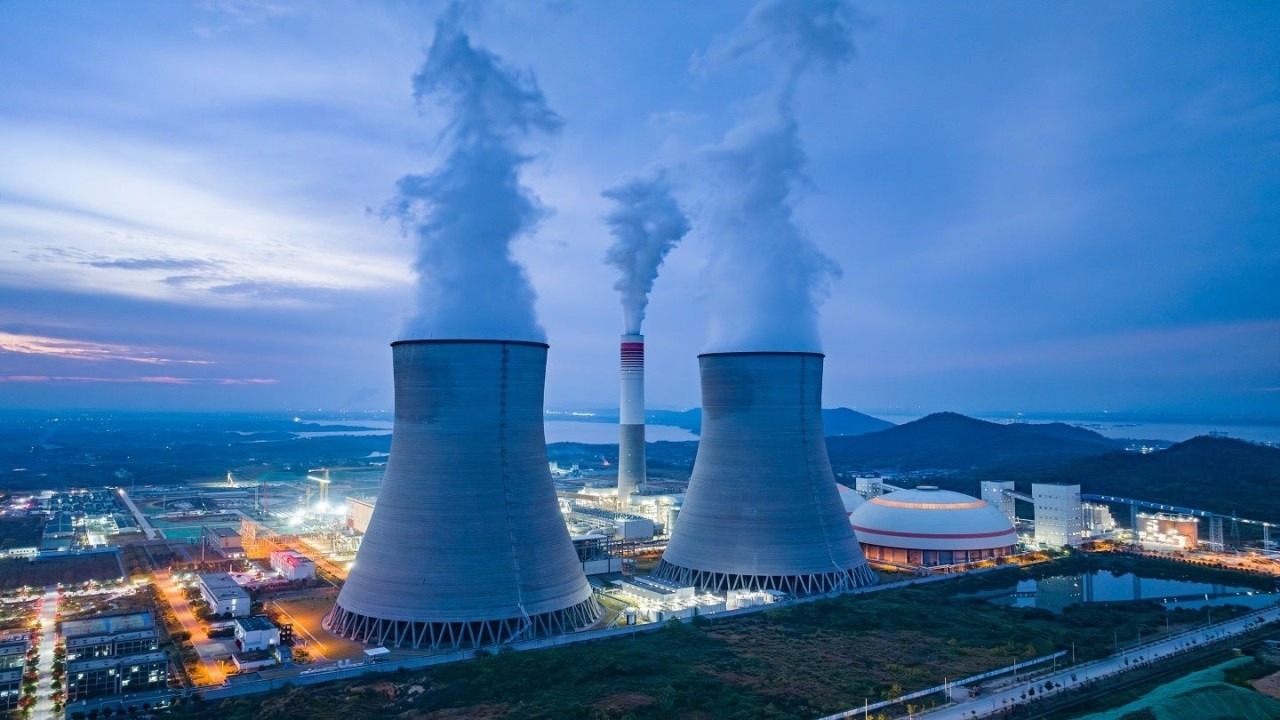
Asia-Pacific’s (APAC) thermal power generation companies (gencos) are about to see sharply diverging leverage trends, Fitch Ratings announced on August 13, 2025. As the sector pours billions into capital expenditure, the pace and type of investments are reshaping credit profiles—and t...
Asia-Pacific’s (APAC) thermal power generation companies (gencos) are about to see sharply diverging leverage trends, Fitch Ratings announced on August 13, 2025. As the sector pours billions into capital expenditure, the pace and type of investments are reshaping credit profiles—and the gap will likely widen between China’s coal-heavy giants and their regional peers. The findings come as the global energy transition, regulatory shift, and regional policy push for cleaner grids continue to drive profound changes.
Key Highlights
Leverage among rated APAC thermal power gencos will show pronounced divergence through 2026, as earnings growth and net debt accumulation move at different speeds for each company.
Fitch highlights an average capital expenditure (capex) intensity of 30% across the sector for 2024–2026, up from 23% in the preceding five years.
Chinese gencos are expected to deleverage, thanks to margin expansion and favorable policy support, while non-Chinese gencos may see leverage rise or remain stable as capex outpaces earnings growth.
Recent and ongoing investments reflect not just traditional thermal asset upkeep but also rapid additions of renewables and grid upgrades.
Capex Race: Earnings Growth vs Debt Expansion
A surge in capex is at the heart of Fitch’s forecast. Increased investments across the region—into both modernizing thermal assets and scaling up renewable portfolios—mean debt levels are rising. Yet, whether leverage balloons or shrinks will depend heavily on how fast individual companies can grow profits relative to these committed outlays.
Chinese power generation firms benefit from government support, large domestic demand, and ongoing regulatory environments favorable to deleveraging. Their EBITDA margins are projected to increase by as much as nine percentage points by 2026, helped by the accelerating energy transition and policy incentives.
Non-Chinese APAC gencos, in contrast, face stiffer competition, less regulatory insulation, and flatter profit growth, resulting in EBITDA net leverage that may climb or stagnate as capex pushes higher but earnings lag behind.
Transition and Diversification Trends
Fitch notes a clear move: regional generators are rapidly diversifying away from coal, ramping up renewables, and integrating cleaner energy sources. The average share of non-thermal power in rated company capacity mixes is expected to rise from 40% to 48% by 2026.
Still, thermal power remains essential in APAC for grid stability and base-load requirements—particularly in economies with expanding electrification and industrial demand. Continued investment in asset maintenance, pollution control, and modernization are necessary overheads feeding into the leverage equation.
Risk Factors and Financial Flexibility
Despite record capex and divergent leverage outcomes, most rated APAC thermal power gencos retain significant financial flexibility:
Falling interest rates, combined with strong funding channels—especially for state-influenced or key government entities—should help cushion higher debt loads.
Fitch expects investment-grade players to maintain adequate liquidity, manage refinancing needs, and service debts without significant ratings pressure in the near term.
Exposure to volatile power tariffs, shifting policy regimes, and fluctuating fuel costs will still require careful financial management, especially for smaller or more exposed gencos.
Regional Impact and Market Outlook
The APAC energy landscape’s evolving capex dynamics offer both risks and opportunities to gencos, investors, and policymakers:
Utilities with strong access to capital markets and supportive policies are best placed to manage high leverage and maintain ratings stability.
Those lagging in renewables pivot, cost control, or earnings growth may see leverage rise—a potential drag on credit outlooks.
As renewables eat into thermal market share, operational and financial prudence will play a decisive role in who thrives and who falters in this fast-changing sector.
In summary, Fitch Ratings’ latest report highlights the growing divergence in leverage across APAC thermal power gencos as capex accelerates. With investment levels at historic highs, only those who can translate spending into profitable, sustainable growth while maintaining financial resilience will emerge as long-term winners in the region’s energy transition.
Source: Fitch Ratings official report August 13, 2025; Asian Power; public market disclosures.