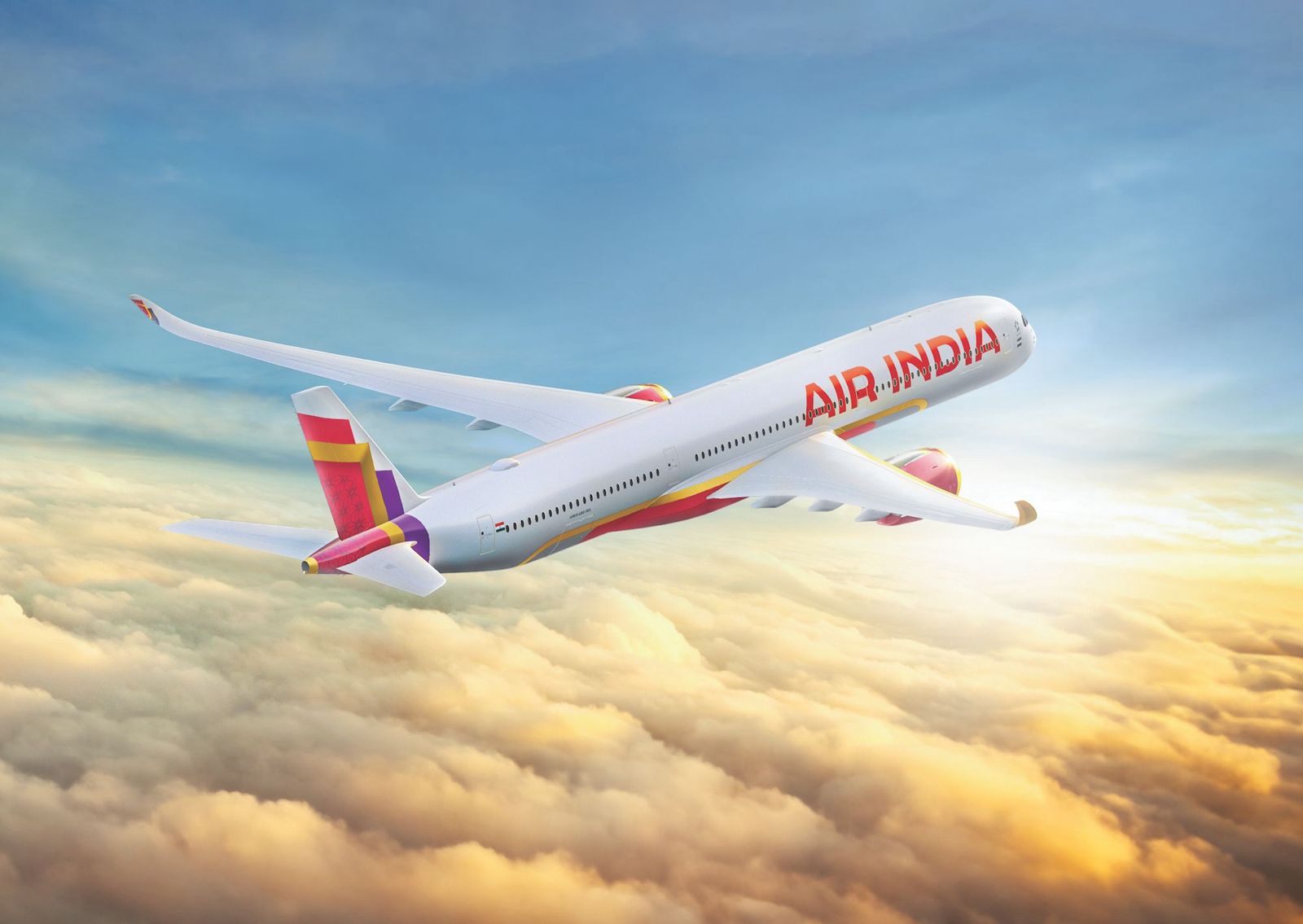
Tata Sons Chairman N Chandrasekaran announced that Air India's transformation is a 5 to 10-year project. Despite supply chain delays, financial hurdles, and external geopolitical headwinds, the carrier has achieved meaningful operational progress through fleet modernization and customer service enhancements.
Tata Sons Chairman N Chandrasekaran notes that Air India's massive structural transformation requires a 5 to 10-year horizon.
Rebuilding India’s flagship carrier is an extensive corporate undertaking that must be evaluated over decades rather than financial quarters. According to statements released in the Tata Sons Annual Report for the 2025–26 fiscal year on Monday, July 27, 2026, Tata Sons Chairman N Chandrasekaran emphasized that Air India's transformation is a multi-year journey. Despite encountering severe external headwinds and reporting financial pressures during the period, the airline has made considerable operational strides in fleet renewal, customer sentiment, and service standardization.
Overcoming Structural Hurdles and External Headwinds
Addressing shareholders and industry stakeholders, Chandrasekaran outlined the multi-layered complexities involved in reviving the legacy carrier. When the Tata Group took control of Air India from the government, it inherited antiquated technology, deep-seated cultural silos, and aged assets.
Supply Chain Pressures: Global component shortages and delayed aircraft deliveries have heavily constrained short-term fleet expansion plans.
External Volatility: The 2025–26 financial year presented extraordinary challenges, including regional airspace closures, West Asia conflict-driven fuel price spikes, foreign exchange fluctuations, and operational setbacks.
Talent and Culture Overhaul: Restructuring Air India requires cultivating a large cadre of technical, engineering, and service professionals to match global aviation benchmarks.
Tangible Operational Progress and Fleet Modernization
Despite financial metrics reflecting heavy investments and mounting losses during the transition phase, internal milestones indicate steady improvement. Domestic narrow-body aircraft have undergone extensive cabin refurbishments, securing positive customer feedback. Furthermore, wide-body fleet upgrades are targeted for completion by the end of fiscal year 2028, which is expected to drastically elevate long-haul international travel experiences. Customer satisfaction tracking metrics, such as the Net Promoter Score (NPS), have also registered marked gains since the privatization initiative began.
Why It Matters
For travelers, industry investors, and the broader Indian economy, Air India's transformation represents a crucial step toward positioning India as a global aviation hub. A globally competitive flag carrier directly supports domestic tourism, job creation, and robust international connectivity.
Key Facts at a Glance
Projected Timeline: Rebuilding Air India is framed as a 5- to 10-year strategic mission.
Key Challenges: Global supply chain bottlenecks, legacy system overhauls, and talent development.
Operational Milestones: Narrow-body fleet refurbishment completed with strong customer appreciation; wide-body overhaul slated for FY28.
Leadership Stance: Emphasizes that world-class carriers are built over decades, not single financial quarters.
Frequently Asked Questions
What did Tata Sons Chairman N Chandrasekaran say about Air India's timeline?
Chandrasekaran stated that Air India's transformation must be viewed as a five- to ten-year effort due to historical underinvestment and complex structural overhauls.
What external headwinds did Air India face recently?
The airline navigated regional airspace closures, West Asia conflict-driven fuel price hikes, foreign exchange volatility, and operational disruptions.
Are there visible signs of improvement in the airline's operations?
Yes, domestic narrow-body aircraft have been fully refurbished with positive customer feedback, and overall customer satisfaction metrics have risen since the privatization transition.
Source: The Economic Times, Livemint, Business Today, Tata Sons