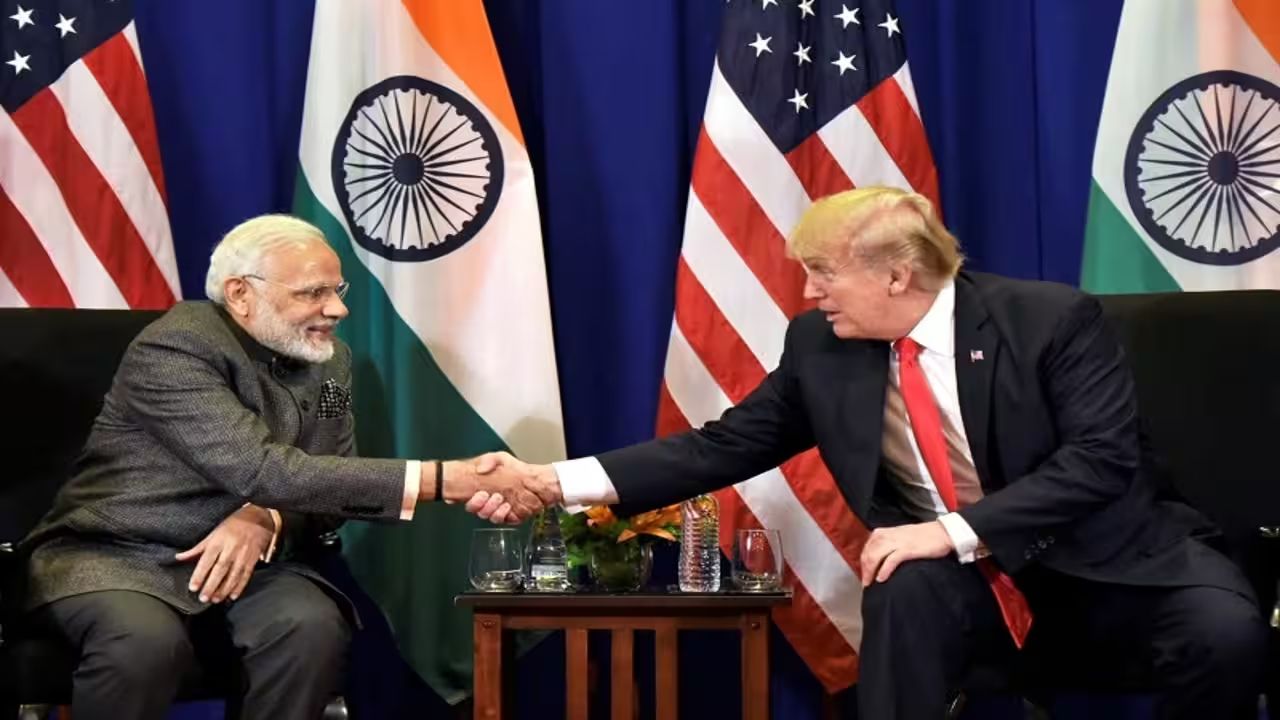
A 2026 Pew Research Center survey reveals that India’s long-standing pro-U.S. consensus is fraying. American favorability among Indians dropped to 45%, while confidence in President Trump fell to 39%. Driven by trade tensions and geopolitical conflict, the findings suggest a significant cooling of relations between New Delhi and Washington.
A recent Pew Research Center survey indicates that while India remains a pro-U.S. exception globally, domestic goodwill toward the U.S. and President Donald Trump is rapidly declining.
NEW DELHI — Long-standing Indian sentiment toward the United States is facing a significant test. According to a Pew Research Center global attitudes survey released in July 2026, the traditional pro-American consensus in India is showing signs of erosion. Data collected between February and May 2026 reveals a marked double-digit decline in both American favorability and confidence in President Donald Trump’s leadership among the Indian public.
A Year of Diminishing Goodwill
The survey results highlight a shift in perception over the past 12 months. In July 2025, 54% of Indians held a favorable view of the United States; by July 2026, that figure had fallen to 45%. The decline in confidence regarding President Trump was even more pronounced, dropping 13 percentage points—from 52% in 2025 to 39% in 2026.
Analysts suggest that while India remains one of the few nations—alongside Poland, the Philippines, South Korea, Japan, and Israel—that still views the U.S. more favorably than China, the gap is narrowing. The data marks a departure from historical trends where favorable views of America remained consistently high across varying U.S. administrations.
Geopolitics and the ‘Conflict Effect’
A crucial nuance in the Pew findings is the timing of the feedback. Researchers noted that favorability toward the U.S. declined significantly as the survey fieldwork progressed, particularly following the outbreak of recent international conflicts involving the U.S. and Iran.
"The results suggest that people interviewed after the war broke out were less likely to report that the U.S. contributes to global peace and security," stated the Pew Research Center report, which explicitly mentions India as a country where sentiment shifted in real-time response to unfolding global volatility.
Economic Friction and Trade Policies
Beyond security concerns, economic policy has become a primary driver of skepticism. Only 18% of Indian respondents approved of President Trump’s handling of trade and tariff issues. This low approval rating places India among the most critical of the U.S.'s major trading partners. The data suggests that while Indian citizens may maintain a relatively neutral view of the U.S. as a nation, there is prevalent disapproval regarding the economic strain imposed by protectionist measures.
Why It Matters
For policymakers, the fraying consensus indicates that the "India-U.S. strategic tilt" cannot be taken for granted. For businesses, the rising disapproval of trade and tariff policies suggests potential friction in future economic negotiations. For the general public, the shift reflects a growing desire for stability amidst increasing global geopolitical and economic uncertainty.
Key Facts at a Glance
Declining Favorability: Favorable views of the U.S. in India fell from 54% in 2025 to 45% in 2026.
Confidence Drop: Confidence in President Trump’s leadership fell 13 percentage points (from 52% to 39%) in one year.
Trade Criticism: Only 18% of Indians approve of the current U.S. administration’s handling of tariffs.
Global Standing: India remains one of only six countries that still view the U.S. more positively than China.
Frequently Asked Questions
Q: Is India turning away from the United States?
A: Not necessarily. While goodwill is eroding, India remains a global outlier, maintaining a more favorable view of the U.S. than of China, unlike 25 of the 36 countries surveyed.
Q: Why has confidence in Trump fallen so sharply?
A: Beyond trade disputes, the decline is heavily influenced by how the current administration’s foreign policy—particularly regarding recent conflicts—is perceived to impact global peace and security.
Q: How does this survey differ from previous years?
A: This year marks the first time in roughly two decades that China has been viewed more positively than the U.S. in a majority of the nations surveyed, with India showing similar trends of cooling enthusiasm toward Washington.
Source: Pew Research Center, The Economic Times, The Wire.