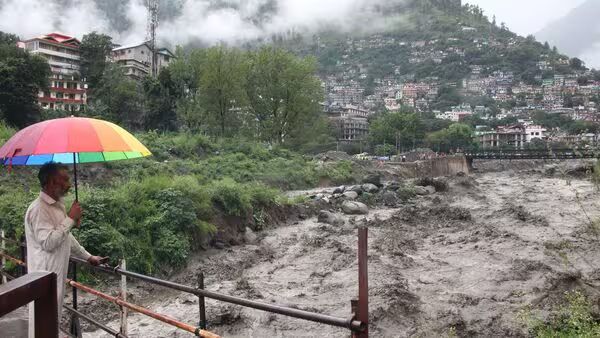
The IMD has issued an orange alert for Himachal Pradesh from July 19 to July 22, 2026, due to a fresh western disturbance. Residents in districts like Shimla, Mandi, and Kangra are warned of heavy rainfall, landslides, and flash floods, with officials urging caution for all travel and outdoor activities.
The India Meteorological Department has issued an orange alert for several Himachal Pradesh districts starting July 19 as a fresh western disturbance hits the region.
SHIMLA — Residents across Himachal Pradesh are bracing for a period of intensified monsoon activity, with the India Meteorological Department (IMD) forecasting heavy to very heavy rainfall across the state beginning July 19, 2026. A fresh western disturbance is expected to impact Northwest India, leading to widespread wet conditions that are likely to persist through at least July 22.
The weather bureau has issued an orange alert for July 19 and 20, specifically highlighting districts including Chamba, Kangra, Mandi, and Shimla, where the risk of extreme weather events is highest.
Widespread Impact Expected
The IMD’s latest bulletins indicate that the active monsoon conditions will bring light to moderate rainfall across most of the state, with isolated pockets expected to experience significantly higher precipitation. Meteorological experts warn that the peak intensity of this rainfall spell is likely to occur between July 20 and July 22, particularly over the mid-hill regions.
According to officials, the anticipated downpour carries a high risk of triggering natural hazards. The potential impacts include:
Landslides and Mudslides: Vulnerable hilly terrain is at risk of slope failure, which could disrupt connectivity.
Flash Floods: Residents are advised to maintain a safe distance from rivers, streams, and nullahs, as water levels are expected to rise rapidly.
Infrastructure Disruptions: Heavy rain may lead to waterlogging in low-lying areas, traffic congestion, and potential damage to vulnerable structures.
Travel Risks: Slippery road conditions and reduced visibility are likely to pose significant challenges to commuters and tourists.
Safety Advisories Issued
Local authorities have urged citizens to exercise extreme caution during the coming days. The Meteorological Centre in Shimla has advised the public to avoid traveling to landslide-prone zones and to steer clear of areas known for frequent waterlogging.
"We strongly advise following local weather updates, traffic advisories, and government guidelines," the IMD stated in its latest warning bulletin. Travelers planning trips to the Himalayan region are particularly encouraged to monitor the situation closely, as routine outdoor activities and essential services may face temporary disruptions due to the inclement weather.
Monitoring the Western Disturbance
The state’s weather pattern is being heavily influenced by a fresh western disturbance interacting with active monsoon currents. This combination is expected to result in sustained gusty winds—reaching 30-40 kmph—in specific districts like Kinnaur and Lahaul-Spiti, alongside the heavy rainfall in the lower and mid-hills.
Key Facts at a Glance
Alert Period: July 19 to July 22, 2026.
Orange Alert Districts: Chamba, Kangra, Kullu, Mandi, and Shimla.
Peak Activity: Expected between July 20 and July 22 over the state’s mid-hill regions.
Primary Hazards: Flash floods, landslides, mudslides, and traffic disruptions.
Frequently Asked Questions
Q: What does an "Orange Alert" imply?
A: An orange alert signifies that authorities should "be prepared" for severe weather conditions that could cause significant disruption, infrastructure damage, or safety risks.
Q: Are high-hill areas affected?
A: While heavy to very heavy rainfall is concentrated in the mid and low hills, light to moderate rain is expected across the high hills of the state.
Q: Where can residents find real-time updates?
A: Official weather updates and warnings are available through the IMD Shimla website and local government disaster management portals.
Source: India Meteorological Department (IMD) - Meteorological Centre, Shimla, Ministry of Earth Sciences.