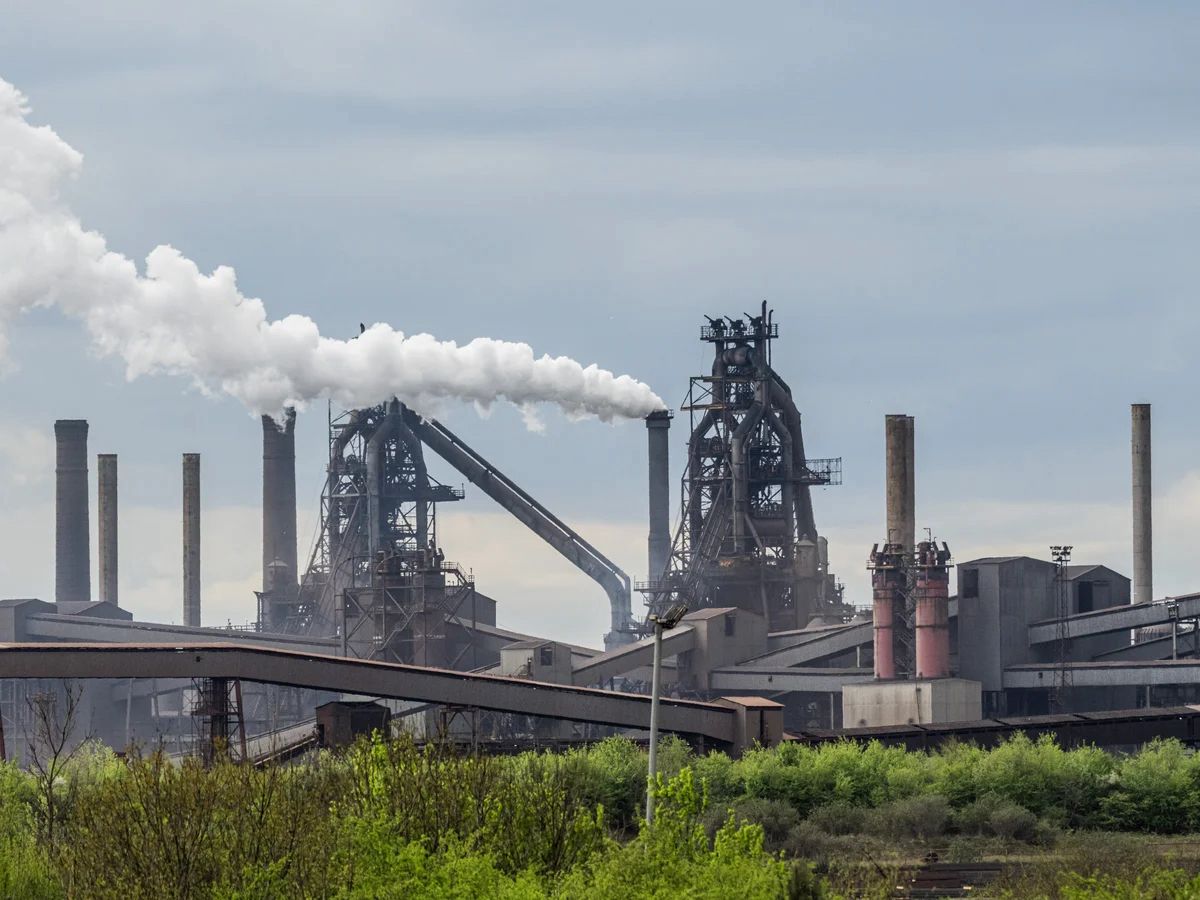
Steely Resolve: UK Government Nationalises British Steel
Pearl Doshi - Gujarat Bureau Jul 16, 2026 2,150 Views
The UK government officially nationalised British Steel on July 16, 2026, following the Steel Industry (Nationalisation) Act. The move, intended to protect thousands of jobs and national supply chains, ends Chinese ownership and shifts the plant toward a government-led transition to sustainable, low-carbon steel production.
In a landmark move to secure national industrial capability, the British government has officially brought British Steel into public ownership.
LONDON — The United Kingdom government officially transitioned British Steel into public ownership on July 16, 2026, marking a decisive intervention to preserve the nation’s last remaining facility capable of producing steel from scratch. The nationalisation, confirmed by the Department for Business and Trade, follows the passage of the Steel Industry (Nationalisation) Act, which received Royal Assent earlier this week.
The move marks the end of Chinese conglomerate Jingye Group’s control over the Scunthorpe-based steelmaker. Jingye, which acquired the company in 2020, had previously declared the plant financially unviable, prompting the government to step in with emergency measures in April 2025 to prevent a disorderly closure of the blast furnaces.
Securing National Interest
Prime Minister Keir Starmer framed the nationalisation as a vital step for Britain’s economic resilience. "British Steel is part of the fabric of our nation and a cornerstone of Britain's industrial strength," Starmer stated. "Today’s decision secures the future of steelmaking in the UK, protects skilled jobs, and safeguards a vital national capability."
Business Secretary Peter Kyle echoed this sentiment, emphasizing that state ownership was the only path to protecting supply chains, major infrastructure projects, and national security from the volatility of international markets. The government’s new Steel Strategy, published earlier this year and backed by up to £2.5 billion in investment, aims to revitalize the sector and set an ambition for at least 50% of steel used in the UK to be produced domestically.
Transition and Future Operations
With the transition now complete, the government has appointed a new leadership team, including non-executive directors tasked with stabilizing site operations and managing health and safety protocols. The immediate focus of the publicly-owned entity is to maintain production and begin the long-term transition toward low-carbon steelmaking.
"We will now set about making this a resilient business into the future," Peter Kyle told Times Radio. British Steel’s interim CEO, Allan Bell, hailed the transition as a "momentous day" for the workforce, signaling a shift toward a more stable and sustainable operational model under government direction.
Impact on Industry and Supply Chains
The nationalisation is expected to provide relief to thousands of workers and suppliers who rely on the Scunthorpe site. By bringing the business into public hands, the government aims to insulate essential steel production from the global overcapacity and high operating costs that have plagued the industry for years. The government intends to explore options for the company's future, including potential private sector investment once the business has been effectively stabilized.
Quote Section
"British Steel now belongs to the British people, and our focus is on the future: stabilising the business, backing the communities that rely on it and building a sustainable, competitive and decarbonised steel sector for the years ahead," said Business Secretary Peter Kyle.
Why It Matters
This intervention prevents the potential collapse of a critical national asset. By securing domestic production, the UK reduces its dependency on international suppliers for strategic materials used in defense, railways, and infrastructure, directly supporting the government's broader industrial re-shoring strategy.
Key Facts at a Glance
Effective Date: July 16, 2026.
Action: Full nationalisation of British Steel assets, including the Scunthorpe plant.
Drivers: Prevented closure after former owner Jingye declared the plant unviable.
Strategic Goal: Achieve "sustainable" domestic production and support the transition to green steel.
Scope: The move affects approximately 33,000 direct and supply-chain jobs.
Frequently Asked Questions
Q: Why was British Steel nationalised?
A: The government determined it was necessary to protect national security, critical infrastructure, and thousands of jobs following the former owner's decision to shutter the plant.
Q: Is this a permanent move?
A: The government is currently prioritizing stabilization. While the business is now in public ownership, the government has stated it will explore long-term options, including potential future private sector investment.
Q: What happens to the former owner, Jingye?
A: The Steel Industry (Nationalisation) Act requires the appointment of an independent valuer to assess whether any compensation is payable to the former owners.