The 350-year-old Rajgarh Palace in Madhya Pradesh, once a defensive Bundela fortress, has been transformed into a world-class luxury hotel. The 30-year restoration project preserved the site's historical architecture and natural landscape, creating a successful model for heritage conservation that now serves as a key destination in India’s tourism sector.
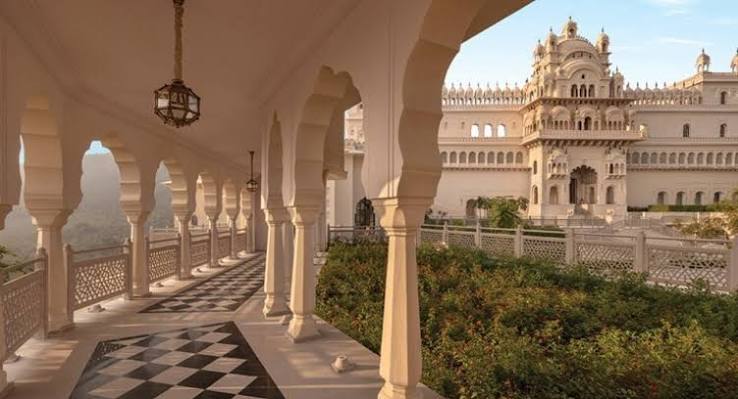
KHAJURAHO, MADHYA PRADESH — Perched atop the rugged Maniyagarh Hills, The Oberoi Rajgarh Palace has emerged as one of the most significant examples of heritage conservation in India. Officially opened in late 2025 following a three-decade restoration project, the property serves as a testament to the enduring legacy of the Bundela Dynasty, successfully pivoting from a 17th-century military fortress into a globally recognized luxury destination.
The transformation, overseen by The Oberoi Group in partnership with the Government of Madhya Pradesh, has turned the once-abandoned site into a 76-acre estate. The palace now stands as a primary case study in how historic monuments can be revitalized to support sustainable tourism while preserving architectural integrity.
A Legacy Reclaimed
Built originally by Maharaja Hindupat Singh of the Bundela Dynasty, the structure was constructed with a focus on defense, utilizing the elevated terrain to monitor the surrounding plains. For centuries, the fortress served as a sentinel of the Bundelkhand region. Over time, however, the site fell into disrepair, facing the slow encroachment of nature and the erosion of its structural foundations.
The restoration process, initiated in 1996, aimed to avoid a standard "commercial conversion" in favor of historical preservation. The Oberoi Group’s preservation teams focused on stabilizing original architectural features, including limestone interiors, vaulted ceilings, and centuries-old frescoes. By utilizing traditional craftsmanship and local materials, the project ensured that the transition from a defensive bastion to a guest residence respected the original vision of its 17th-century architects.
Architecture and Modern Integration
The architecture of the palace reflects a layered history, combining the martial requirements of a fortress with the aesthetic sensibilities of a royal residence. The estate features 65 keys, including grand suites and private pool villas, designed to integrate modern comforts within the historic shell.
According to official project notes, the conservation team preserved natural features including a rainwater-fed lake and ancient groves of Sal and Palash trees. The interior design emphasizes the Bundelkhand aesthetic, featuring hand-painted motifs and clerestory windows that illuminate lime-plastered walls. This careful balance between heritage preservation and contemporary functionality has earned the property recognition from international luxury travel observers, including the Prix Versailles, which recently named it among the world’s most beautiful hotels.
Official Sources
The restoration and subsequent opening of the property were finalized in collaboration with the Government of Madhya Pradesh. The site was officially inaugurated by Chief Minister Mohan Yadav on November 20, 2025. Detailed project specifications and historical background are maintained by The Oberoi Group.
Quote Section
According to officials from The Oberoi Group, the restoration was an "extraordinary journey of bringing history back to life," with a focus on "honouring the palace's heritage while creating a timeless experience for generations of travellers."
Why It Matters
The revival of the Rajgarh Palace is significant for the regional economy of Madhya Pradesh. By creating a high-end luxury corridor near the UNESCO World Heritage sites of Khajuraho and the Panna Tiger Reserve, the project incentivizes the preservation of other neglected heritage assets. It demonstrates a scalable model for how India can leverage its historical architecture to boost high-value tourism without compromising cultural legacy.
Key Facts at a Glance
Historical Origin: Originally a 350-year-old sandstone fortress built by Maharaja Hindupat Singh of the Bundela Dynasty.
Restoration Timeline: A 30-year conservation effort led by The Oberoi Group and the state government.
Landscape: Situated on a 76-acre estate featuring a historic rainwater-fed lake and views of the Vindhyachal mountains.
Global Recognition: Recently acknowledged by the Prix Versailles as one of the world's most beautiful hotel properties.
FAQ
Can guests visit the palace for tours without staying?
The property functions as a private luxury hotel; while dining or event access may be available for non-residents by reservation, the primary purpose is guest accommodation.
How does the hotel impact the local environment?
The restoration prioritized the preservation of existing biodiversity, including the protection of ancient tree groves and a rain-fed lake that serves as a central feature of the estate.
Where is it located relative to Khajuraho?
The Oberoi Rajgarh is located in the Maniyagarh Hills, within driving distance of the Khajuraho International Airport and the UNESCO-listed temples.
Source: The Oberoi Group, Government of Madhya Pradesh, NDTV Lifestyle