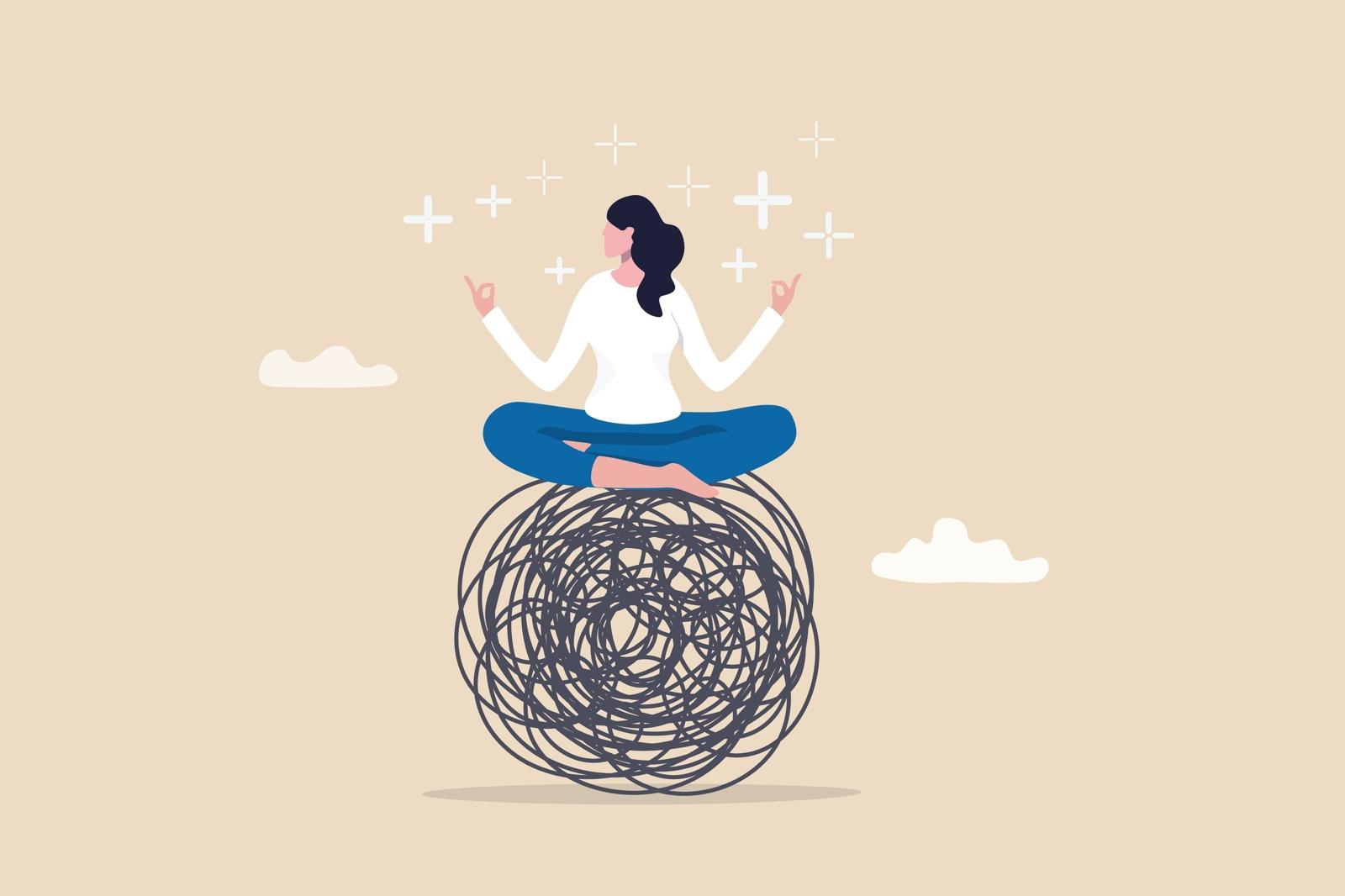
Stress is an inevitable part of modern life, but its impact on our ability to concentrate and function effectively can be profound. Recent insights from psychology highlight that while stress clouds the mind and scatters attention, there are straightforward methods anyone can use to regain focus...
Stress is an inevitable part of modern life, but its impact on our ability to concentrate and function effectively can be profound. Recent insights from psychology highlight that while stress clouds the mind and scatters attention, there are straightforward methods anyone can use to regain focus quickly. According to leading psychologists in 2025, one simple habit can awaken clarity even in heightened stress: tactical breathing.
Key Highlights on Stress and Focus from Psychological Research
Stress triggers the body’s fight-or-flight response, flooding the brain with cortisol and adrenaline, which paradoxically impairs focus and cognitive control.
Modern life’s chronic stressors contribute to rising incidences of burnout, anxiety, and difficulty concentrating across all age groups.
Psychologists emphasize that managing acute stress effectively can restore mental clarity and improve emotional regulation.
Tactical breathing—a structured, intentional breathing technique—activates the body’s parasympathetic nervous system, promoting calm and sharpening attention.
This method is endorsed by military personnel, therapists, and meditation practitioners for being quick, portable, and scientifically grounded.
Understanding Tactical Breathing: The One Simple Way to Regain Control
Tactical breathing, also known as box breathing or four-count breathing, consists of slow, deep breaths timed in four phases: inhale, hold, exhale, hold—each for a count of four seconds. The process helps moderate heart rate, reduce cortisol levels, and shift the nervous system from stress dominance back to relaxation mode.
How Tactical Breathing Restores Focus
When stressed, the mind is prone to fragmentation—racing thoughts, anxiety, and sensory overload cloud our ability to prioritize or concentrate. Tactical breathing works physiologically by:
Decreasing sympathetic nervous system activation responsible for stress ‘fight-or-flight’ mode.
Increasing oxygen flow to the brain, supporting neural regulation and executive function.
Encouraging mindfulness of breath, which anchors attention to the present moment and away from distracting worries.
Helping interrupt negative thought cycles and reduce emotional reactivity.
Step-by-Step Guide to Tactical Breathing
Sit or stand comfortably with a straight spine.
Slowly inhale through the nose for a four-second count.
Hold the breath gently for four seconds.
Exhale evenly through the mouth for four seconds.
Hold the lung-empty pause for four seconds before repeating.
Repeat cycles for three to five minutes or until focus returns.
Psychologists advise practicing tactical breathing daily and especially during moments of stress for maximal benefit.
Science-Backed Benefits Beyond Focus
Research from Harvard Medical School and the Mayo Clinic highlights how consistent breathing practice can reduce cortisol by up to 25 percent in eight weeks, improve sleep quality, and boost emotional resilience. It also strengthens mental clarity by improving oxygenation and calming hyperactive neural circuits common in anxiety.
Integrating Tactical Breathing with Broader Stress Management
While tactical breathing offers immediate control over acute stress episodes, a holistic approach enhances long-term mental wellness:
Regular mindfulness meditation cultivates sustained awareness and stress tolerance.
Physical exercise releases endorphins natural to mood stabilization.
Adequate sleep and nutrition support physiological stress resistance.
Setting boundaries and prioritizing self-care guard against burnout.
Why This Matters in 2025
The global mental health landscape reveals chronic stress as a leading contributor to emotional and physical illness. Easy-to-learn, portable techniques like tactical breathing empower millions worldwide to maintain productivity and emotional balance in fast-paced environments.
Conclusion: Harnessing Breath to Master Stress and Refocus
Amid the intensity of modern life, tactical breathing emerges as a remarkably simple yet profoundly effective tool to reclaim focus when stress threatens to overwhelm. By consciously regulating breath, individuals activate their body’s calm systems, clear mental fog, and sharpen attention—turning stress into a moment of empowerment rather than derailment.
Sources: Adaptive Behavioral Services, Mind Health, Alpine Integrative Wellness