India’s economy continues to demonstrate resilience despite external uncertainties, according to the Chief Economic Adviser (CEA), who reaffirmed growth prospects for the current financial year while noting challenges from tariff-related disruptions. The economic outlook remains largely pos...
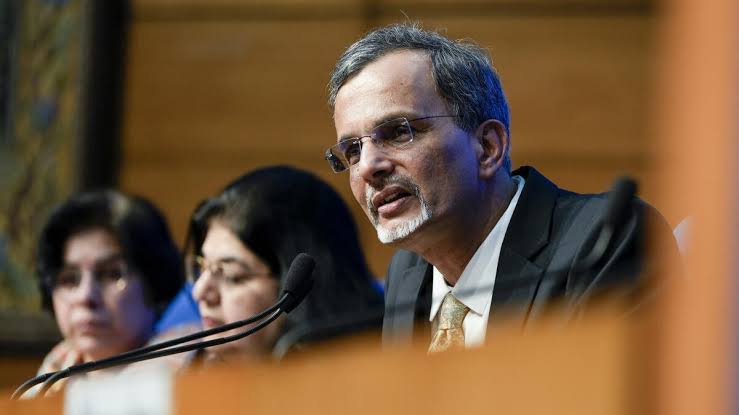
India’s economy continues to demonstrate resilience despite external uncertainties, according to the Chief Economic Adviser (CEA), who reaffirmed growth prospects for the current financial year while noting challenges from tariff-related disruptions. The economic outlook remains largely positive with inflationary pressures under control and growth targets within reach.
Key Economic Insights from India’s Chief Economic Adviser
-
The CEA emphasized that near-term risks to India’s economic activity persist primarily due to tariff-related uncertainties, particularly stemming from heightened import tariffs imposed by the United States.
-
Inflationary pressures on the Indian economy are currently low, aiding in maintaining stable economic conditions.
-
The CEA expressed confidence that the government’s growth target of 6.3-6.8% for the current financial year will be met despite these challenges.
Economic Growth Performance and Forecast
India’s GDP demonstrated robust expansion with a 7.8% growth in the first quarter of the fiscal year 2025-26, marking the fastest growth rate in five quarters. This surge was driven by strong consumption and investment activity across various sectors. Private final consumption expenditure reached its highest share in 15 years, signaling sustained demand from households. Investment momentum remained strong with capital formation increasing, supported by significant government capital expenditure growth of over 30% compared to recent averages.
Sector Contributions and Business Activity
Agriculture and services sectors are pivotal growth drivers, bolstered by rising agricultural output and expanding financial services. Manufacturing and industrial production showed steady performance, while trade activity remained robust with exports growing faster than pre-pandemic levels. However, the impact of US tariffs affecting certain export segments is a concern expected to be concentrated in the second quarter of the financial year.
Tariff-Related Risks and Government Stance
The CEA characterized the impact of increased US import tariffs, which can reach up to 50% on some Indian goods, as a transient challenge. The tariff measures, attributed to India’s oil imports from Russia, pose short-term risks but also present an opportunity for India to reform and diversify its export markets and trade partnerships. The government maintains its openness to free trade agreements without discrimination, aiming to reinforce India’s global trade presence without compromising national self-respect.
Inflation and Labor Market Conditions
Inflation remains subdued, contributing to economic stability and consumer confidence. The labor market also shows signs of improvement, reflecting positive employment trends amidst the evolving economic landscape.
Long-Term Economic Prospects
India is poised to become one of the world’s leading economies, with projections indicating it may surpass Germany and eventually the United States in economic scale within the next two decades when measured by purchasing power parity (PPP). Strong fundamentals such as a youthful demographic, high savings and investment rates, fiscal consolidation, and ongoing structural reforms underpin this outlook.
Summary of CEA’s Outlook:
-
Growth Target: 6.3-6.8% GDP growth expected for FY 2025-26.
-
Short-Term Risks: Tariff-related uncertainties from US trade policies, mainly impacting Q2.
-
Inflation: Low and manageable inflationary pressures.
-
Sectoral Drivers: Agriculture and services leading growth; manufacturing steady.
-
Investment: Continued increase in capital formation and government capital spending.
-
Exports: Trade remains firm with export diversification as a key strategic focus.
-
Labor Market: Positive developments noted.
-
Long-Term Vision: India on track to become a global economic powerhouse by 2038.
The balanced outlook underscores resilience amid global uncertainties while highlighting opportunities for sustained economic reforms and domestic demand expansion.
Source: The Economic Times, NDTV Profit, IANS Live, Times of India